Is MDF Eco-Friendly? What to Look For (Wood Source, Emissions, Recycling)
A balanced look at MDF sustainability: wood sourcing, emissions, durability, and practical recycling/disposal tips for homes and workshops.
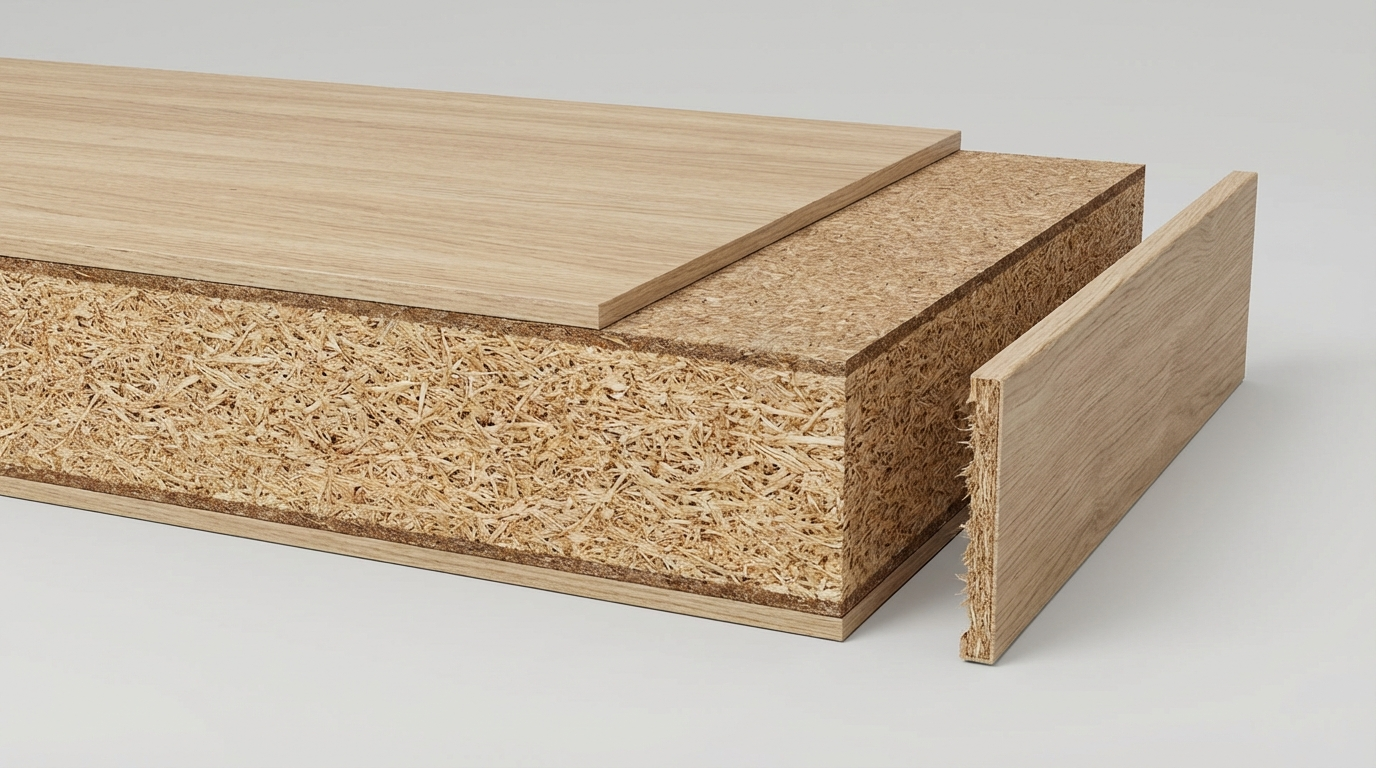
Quick Decision Summary
MDF can be reasonably eco-friendly when it uses sustainable wood sources, low-emission resins, and supports recycling, but quality varies widely.
If you’re in a hurry: Prioritize boards with verified sustainable fibers like agro-waste or plantation wood, ask for low-formaldehyde emission specs (under E1 levels), and plan for chipping or reuse at end-of-life. In Indian conditions, eco-MDF holds up better against monsoon humidity if density exceeds 700 kg/m³ and edges are sealed promptly. Avoid unverified cheap imports that may rely on mixed tropical hardwoods. This approach cuts environmental impact while ensuring durability for wardrobes or kitchen cabinets.
- Choose this if: You want affordable panels with potential for lower deforestation footprint, good screw-hold in dry interiors, and local recycling options.
- Avoid this if: Your site faces constant high humidity without ventilation, or you skip verifying resin emissions, leading to off-gassing in enclosed spaces.
What MDF Actually Is
Medium Density Fiberboard (MDF) is an engineered wood panel made by breaking down wood fibers or agro-residues, mixing with resins, and pressing under heat and pressure. It creates smooth, uniform sheets ideal for laminates, carving, or painting. Unlike solid wood, MDF uses waste wood chips, sawdust, or non-timber fibers, making it resource-efficient in theory.
In sustainability terms, eco-friendliness hinges on input materials (fiber source), binders (resins like urea-formaldehyde or soy-based), and production energy. Indian manufacturers often blend rubberwood, eucalyptus plantations, or rice husk, reducing reliance on virgin forests. Thickness ranges from 3mm to 25mm, with higher density (650-850 kg/m³) aiding stability in humid climates.
It fits modular interiors like wardrobes or partitions but trades natural wood's breathability for machinability. Key: Not all MDF is equal—sustainable versions minimize waste and emissions during lifecycle.
Why Sustainability Matters in Indian Homes and Sites
In India, monsoon humidity (70-90% RH), coastal salt air, and poor storage practices amplify MDF's environmental stakes. Unsustainable sourcing contributes to local deforestation, while high-emission resins release VOCs indoors, worsening air quality in poorly ventilated homes. Eco-MDF reduces these risks by using fast-growth plantations and cleaner binders.
Practical impacts: Low-emission boards prevent health issues like eye irritation in kids' rooms. Recyclable MDF cuts landfill waste, vital as urban sites generate tons of demo scraps. During transport from northern mills to southern sites, unsealed edges absorb moisture, swelling 10-15% and wasting material—sustainable choices with better moisture resistance minimize this.
Site realities: Carpenters often cut outdoors, exposing fibers; eco-options with natural fibers hold integrity longer. Long-term, durable panels mean fewer replacements, lowering overall carbon footprint amid rising material costs.
Meaning, Types, and Where People Get Confused
MDF eco-friendliness means low environmental harm across sourcing, production, use, and disposal. Types include standard (mixed wood, standard resins), moisture-resistant (MR with waxes), and low-emission (E0/E1 formaldehyde). Agro-MDF uses crop residues like bagasse, boosting circularity.
- Confusion 1: All MDF is "recycled"—many use virgin softwood; check fiber blend.
- Confusion 2: Thicker = greener—no, density and resin matter more.
- Confusion 3: Zero emissions possible—trace formaldehyde lingers; seek minimized levels.
- Confusion 4: Biodegradable—resins prevent full breakdown; plan mechanical recycling.
- Confusion 5: Plantation wood = sustainable—verify fast-cycle species like eucalyptus.
- Confusion 6: Local = eco—imports may have higher transport emissions.
- Confusion 7: HDF greener than MDF—similar issues; HDF denser but same sourcing pitfalls.
Is MDF Made from Recycled Wood?
Many MDF boards incorporate recycled wood fibers from sawmills or construction waste, typically 50-80% in Indian production. Direct answer: Yes, but not always 100%; blends with plantation chips are common. Nuance: Full post-consumer recycle is rare due to contamination—pre-consumer sawdust dominates. In humid India, recycled fibers must be kiln-dried to avoid mold. Check by asking suppliers for fiber source breakdown; tap the edge—if uniform without bark flecks, likely processed waste. Next step: Request samples and sniff for natural wood odor over chemical sharpness, indicating cleaner processing.
What Does Sustainable Wood Sourcing Mean for MDF?
Sustainable sourcing means fibers from managed plantations or agro-waste, avoiding old-growth forests. Expect rubberwood or bamboo residues in India. Nuance: Rotation cycles under 10 years prevent soil depletion. Coastal sites benefit from salt-tolerant species. Verify via supplier declarations on origin; bounce a sample—it should feel dense without voids. Next: Cross-check with density test (weigh a known-size piece; over 750 kg/m³ signals quality fibers). This ensures lower deforestation link.
How to Evaluate MDF Eco-Friendliness in 5 Steps
- Assess Wood Source: Ask for fiber origin docs—prefer 70%+ agro/plantation. Red flag: Vague "mixed wood".
- Check Emission Specs: Demand E1 or better (≤0.124 mg/m³ formaldehyde). Sniff test: Mild odor ok, strong chemical no-go.
- Review Density and Additives: 700+ kg/m³; natural waxes over synthetics for MR types.
- Plan Recycling Path: Confirm local chippers accept it; avoid painted boards.
- Site-Test Sample: Expose to humidity 48hrs; no swelling >2% = good.
Failure point: Skipping step 2 leads to indoor pollution. In monsoons, seal edges immediately post-cut.
Wood Sourcing: Sustainable Practices to Seek
Sustainable MDF fibers come from eucalyptus, acacia plantations, or rice husk/bagasse in India, regrowing in 5-8 years. Trade-off: Plantation wood lower biodiversity than natural forests but scales for demand. In coastal Gujarat or Kerala, salt-resistant agro-fibers prevent sourcing from vulnerable mangroves.
Practical check: Weigh a 600x600mm sheet; sustainable ones hit 15-20kg due to efficient pressing. Storage tip: Stack horizontally under tarps to avoid rain—unsustainable mixes delaminate faster. For workshops, buy in bulk from regional mills to cut transport emissions.
How Can I Verify Wood Source Without Papers?
Look for uniform color, no large bark chunks on sawn edges. Direct: Consistent fiber texture signals processed waste. Nuance: Dark streaks may indicate tropical hardwoods—less sustainable. In India, lighter tones often mean rubberwood. Tap test: Clear ring = good compression. Next: Cut a small piece; fine dust without splinters confirms fiber quality. Avoid if gritty residue lingers.
Emissions: Understanding and Minimizing VOCs and Formaldehyde
Formaldehyde from urea resins off-gases, but low-emission variants use scavengers or bio-resins, dropping levels 70%. In Indian homes, enclosed wardrobes amplify this—ventilate 72hrs post-install. Trade-off: Greener resins cost 10-20% more but last longer without yellowing.
VOCs include phenols; seek total under 0.5ppm. Hot summers accelerate release, so prioritize E0 for bedrooms. During CNC routing, dust extraction cuts exposure.
Are There Zero-Emission MDF Options?
No true zero, but E0 boards emit <0.05ppm, safe for nurseries. Direct: Yes, via soy/phenol alternatives. Nuance: Test via smell after 24hr enclosure; faint ok. India humidity slows curing—air out slabs. Check: Heat a sample (iron on low); no strong odor. Next: Pair with zero-VOC laminates for full system.
Recycling and End-of-Life Options
MDF recycles into particleboard or mulch via chipping; India has growing facilities in Punjab and Tamil Nadu. Avoid laminates—strip first. Incineration for energy recovery works if no halogens. Durability extends life: Proper edges reduce early disposal.
Workshop tip: Segregate clean offcuts; sell to recyclers. Landfill last resort—compresses poorly. Monsoon prep: Dry scraps indoors to prevent rot.
Can I Recycle MDF at Home?
Limited; chip plain boards for garden paths or fuel. Direct: Small scale yes, industrial best. Nuance: Resins limit compost—use mechanically. Coastal areas: Rinse salt first. Check compatibility by soaking scrap; intact = recyclable. Next: Partner local carpenters for bulk drop-offs.
Quality Checks You Can Do Without Lab Tests
- Before Buying: Visual: Flat, no waves. Tap: Solid thud. Smell: Neutral.
- Fiber Source: Edge inspection—no bark, uniform.
- Emissions: Enclose sample 24hrs; mild scent max.
- After Cutting: Edges smooth, no fuzz; density via drop test.
- Post-Install: Wipe edges sealed? Humidity test corners.
Red flags: Warping in store, chemical reek. India tip: Test in 80% RH setup.
Failure Modes and Fixes for Sustainable MDF
- Symptom: Off-gassing odor. Cause: High-formaldehyde resin. Prevent: E1 spec. Fix: Ventilate, use air purifier.
- Swelling edges. Cause: Unsustainable low-density fibers. Prevent: 750kg/m³ min, seal fast. Fix: Trim, re-edge.
- Delamination in monsoon. Cause: Poor resin-fiber bond. Prevent: MR additives. Fix: Discard affected.
- Weak screw hold. Cause: Recycled fibers uneven. Prevent: Pilot holes. Fix: Inserts.
- Yellowing finish. Cause: VOC reaction. Prevent: Low-emission base. Fix: Sand, relaminate.
- Recycling rejection. Cause: Contaminants. Prevent: Plain boards. Fix: Strip manually.
Decision Framework: Choosing Eco-Friendly MDF
| Site Conditions | Recommended MDF Type | Verify These |
|---|---|---|
| Monsoon humidity (70%+ RH) | MR with agro-fibers, E1 resin | Density >750kg/m³, edge seal test |
| Coastal salt exposure | Plantation wood, bio-resins | Uniform fibers, salt spray sample |
| Heavy use (kids/pets) | High-density E0, laminated | Scratch test, emission sniff |
| Tight budget | Standard recycled, E1 | Source docs, no voids |
| Fast delivery needed | Local mill agro-MDF | Stock check, dry storage |
| High scratch risk | HDF low-VOC, prelam | Surface hardness tap |
Two-Minute Comparison: Standard vs Eco-MDF
| Aspect | Standard MDF | Eco-MDF | Real-Life Trade-Off |
|---|---|---|---|
| Wood Source | Mixed, possible hardwoods | Plantation/agro 80%+ | Eco cuts deforestation but may cost more |
| Emissions | E2+ levels | E0/E1 | Less odor/health risk in homes |
| Recyclability | Moderate | High (clean resins) | Easier local processing |
| Durability India | Swells faster | Better humidity hold | Fewer replacements |
Common Buyer Mistakes and How to Avoid Them
- Mistake 1: Ignoring source—Buy vague "wood". Avoid: Demand % agro/plantation.
- 2: Cheap no-emission claim—Off-gases later. Avoid: Sample sniff test.
- 3: No humidity prep—Swells in transit. Avoid: Plastic wrap sheets.
- 4: Laminating over high-VOC—Traps gases. Avoid: E1 base first.
- 5: Discarding scraps—Landfill waste. Avoid: Chip for fillers.
- 6: Outdoor storage—Absorbs monsoon. Avoid: Elevated racks.
- 7: Skipping edge seal—Crumble risk. Avoid: Post-cut PVA coat.
- 8: Bulk without QC—Batch variance. Avoid: Test each lot.
- 9: Assuming all recycled equal—Moldy fibers. Avoid: Dryness check.
- 10: No end-plan—Hard disposal. Avoid: Plain boards.
Tips for Different Users
Homeowners: Clean with damp cloth only, avoid excess water; ventilate new installs 1 week. Do: Seal edges yourself with silicone. Don’t: Use abrasive cleaners on low-emission faces.
Carpenters: Cut with sharp 60-tooth blade, pre-drill screws 3mm from edge. Handling: Gloves for resins. Hinge zones: Reinforce with blocks.
Architects/Designers: Spec E1 + density in drawings; detail ventilation gaps. Wet zones: MR min. Finishes: Match resin type.
OEM/Modular Makers: QC: Weigh 10% sheets. Reduce returns: Batch emission tests. Repeatability: Standardize suppliers.
Is Eco-MDF More Expensive?
Typically 15-30% higher due to resins and sourcing. Direct: Yes, but lifecycle savings from durability. Nuance: Bulk buys narrow gap; city variations add logistics. In Mumbai vs Delhi, coastal premiums for MR. Check: Quote per cu.m with specs. Next: Calculate TCO—replacements double cost.
Does MDF Contribute to Deforestation?
Minimal if plantation-based. Direct: Low risk with agro-fibers. Nuance: 20-year-old habits used hardwoods—now shifting. India plantations cover needs. Verify: Fiber docs. Next: Support regional mills.
FAQs
Can MDF be fully biodegradable?
No, resins make it non-biodegradable, but mechanical recycling works well. In Indian contexts, plain MDF chips easily for new boards or mulch, avoiding landfills. Trade-off: Laminated versions need delam first, adding labor. For coastal homes, dry scraps prevent fungal growth during storage. Always segregate at demo; many workshops buy offcuts for fillers. This extends lifecycle beyond solid wood in humid zones.
What is the carbon footprint of MDF production?
Typically lower than plywood due to waste fibers and efficient pressing. Indian mills use biomass energy, cutting fossil reliance. Nuance: Transport from north to south adds 10-15%. Offshore imports worse. Opt for local to minimize. Workshops: CNC optimizes cuts, reducing waste emissions. Long-term, durable installs offset upfront.
How long does formaldehyde off-gas from MDF?
Peak first 3-6 months, tapering years; E1 drops fast. In monsoon-closed rooms, slower. Ventilate, use fans. Seal all faces cuts 50%. For wardrobes, add vents. Low-resin types stabilize quicker, safer for families.
Is there MDF made without formaldehyde?
Yes, bio-based like soy or pMDI resins exist, though rarer in India. Costlier but zero-formaldehyde. Ideal for bedrooms. Check odor-free after heat. Pair with natural laminates for full green.
Can I use eco-MDF for kitchen cabinets?
Yes, with MR and sealed edges against spills. Density 800+ kg/m³ holds in humidity. Avoid direct water; wipe dry. Laminates protect surfaces. In Indian kitchens, grease-resistant finishes key.
What happens if I burn MDF scraps?
Releases energy but some toxins from resins—use industrial boilers. Home: Avoid open fires. Better: Chip for board reuse. Dry first in humid areas to burn clean.
Does humidity affect MDF sustainability claims?
Yes, swelling shortens life, increasing replacements. Eco-types with waxes resist better. Store flat, install sealed. Coastal: Extra coats. Test samples in local RH.
Are there incentives for using sustainable MDF in India?
Some green building norms favor low-emission panels for credits. Varies by state. Specs help certifications. Workshops: Document for tenders. Reduces long-term costs.
How to dispose of old MDF furniture?
Dismantle, strip laminates, chip core. Local recyclers take plain. Don’t mix with plastics. In cities, municipal yards accept. Plan modular designs for easy teardown.
Disclaimer: This content is provided for general informational purposes based on industry practices and publicly available information. Product specifications, standards, prices, and availability may vary by manufacturer, region, and time. Readers should independently verify details with manufacturers, dealers, or qualified professionals before making purchase or construction decisions.Want Plywood Suggestions?
Share a few details and a VIR MDF specialist will suggest suitable brands and connect you to responsive dealers.