MDF Board Dealers Near Me: How to Find Authorized VIR Dealers
Find authorized VIR MDF dealers near you. Locate trusted MDF board suppliers in your city with our dealer locator. Get genuine VIR products.
Quick Decision Summary
Finding reliable MDF board dealers near you requires checking authorization status, stock availability, and after-sales support before placing orders.
If you're in a hurry: Contact manufacturer customer care for official dealer lists in your city, verify GST registration and business credentials, check if they stock the specific MDF grade you need (interior, exterior, or HDFWR), and confirm pricing includes delivery to your site. Avoid dealers who cannot show invoices from authorized distributors or offer prices significantly below market rates.
Choose a local dealer if:
- You need small quantities (1-10 sheets) without minimum order requirements
- You want to physically inspect boards before purchase
- You require same-day or next-day delivery for ongoing projects
- You prefer paying after visual quality check
Avoid local dealers if:
- They cannot provide manufacturer tax invoices
- Their storage facility shows moisture exposure or improper stacking
- They offer only cash transactions without GST billing
- They push generic or unbranded boards when you ask for specific grades
What "Authorized MDF Dealer" Actually Means
An authorized MDF dealer is a business entity that has a formal distribution agreement with MDF manufacturers, allowing them to stock and sell genuine products with full warranty coverage. This authorization typically involves meeting minimum purchase commitments, maintaining proper storage facilities, and following manufacturer pricing guidelines.
In India's MDF distribution hierarchy, the structure typically flows from manufacturer to super-stockist (state-level), then to authorized dealers (city-level), and finally to retail outlets or direct customers. Each level adds margin but also adds accountability—authorized dealers must source only from official channels, which you can verify through invoice trails.
Common confusions clarified:
- Dealer vs. Distributor: Distributors hold larger inventories and supply to dealers; dealers typically sell to end customers and carpenters
- Authorized vs. Stocking: A shop may stock MDF boards without being formally authorized, meaning warranty claims may face complications
- Exclusive vs. Multi-brand: Some dealers carry only one brand, others stock multiple manufacturers—neither automatically indicates quality
Why Dealer Selection Matters for Indian Conditions
MDF board quality can degrade significantly between factory and your project site, making dealer selection as important as brand selection. In Indian conditions, improper storage and handling cause most quality complaints that buyers wrongly attribute to manufacturing defects.
Monsoon and Storage Challenges
During June-September monsoon months, humidity levels exceed 80-90% across most Indian cities. MDF boards stored in open-sided warehouses or shops without climate control absorb atmospheric moisture, leading to edge swelling, core softening, and dimensional changes. A good dealer maintains covered, ventilated storage with boards stacked horizontally on level surfaces—this single factor determines whether you receive factory-fresh quality or pre-damaged material.
Coastal Region Considerations
If you're in Mumbai, Chennai, Kolkata, Kochi, or other coastal cities, salt-laden air accelerates moisture absorption even in non-monsoon months. Dealers in these regions should ideally stock exterior-grade or moisture-resistant variants more prominently and advise customers appropriately for bathroom-adjacent or balcony applications.
Transport and Last-Mile Handling
The journey from dealer warehouse to your site involves loading, transport, unloading, and sometimes temporary site storage. Professional dealers use proper edge protection, avoid dragging boards, and ensure delivery vehicles have covered loading areas. Boards delivered with chipped edges, scratched surfaces, or moisture stains indicate poor handling practices that will repeat with future orders.
How to Find MDF Dealers in Your City: Step-by-Step Process
Step 1: Contact Manufacturer Customer Support
Call manufacturer toll-free numbers or visit official websites to request dealer lists for your pincode or city. Most manufacturers maintain updated databases and can provide 3-5 authorized dealer contacts. Note that these lists may not include all stocking points—only formally appointed dealers.
Step 2: Search Local Hardware Markets
Every Indian city has established hardware and building material markets—Naraina in Delhi, Gultekdi in Pune, Bhagirath Palace area for Delhi plywood, and so on. Visit these markets during morning hours (8-11 AM) when proprietors are available. Ask multiple shops about MDF availability and compare their stock, storage, and pricing.
Step 3: Verify Through Carpenter Networks
Experienced carpenters working on furniture projects typically know which dealers provide consistent quality, fair pricing, and reliable delivery. Ask your contractor or furniture maker which suppliers they prefer and why. This real-world feedback often proves more valuable than online searches.
Step 4: Check Online Business Directories
Platforms like IndiaMART, JustDial, and TradeIndia list MDF suppliers with contact details, though authorization status requires separate verification. Use these platforms for initial leads, then conduct physical visits before placing orders.
Step 5: Visit and Assess Before Ordering
Before committing to any dealer, visit their shop or warehouse. The physical visit reveals storage conditions, inventory variety, staff knowledge, and overall professionalism—factors invisible in phone conversations or online listings.
Dealer Evaluation Framework: What to Check During Visits
| Evaluation Parameter | What to Look For | Red Flags |
|---|---|---|
| Storage Conditions | Covered area, horizontal stacking, no floor contact, proper ventilation | Boards leaning against walls, exposure to rain/sun, stacked on bare ground |
| Inventory Variety | Multiple thicknesses (6mm, 12mm, 18mm, 25mm), interior and exterior grades available | Only one thickness available, no grade differentiation |
| Documentation | GST registration displayed, tax invoices provided, manufacturer authorization letter on request | Only cash dealings, handwritten receipts, reluctance to show credentials |
| Staff Knowledge | Can explain grade differences, application suitability, thickness recommendations | Cannot differentiate interior vs exterior grade, pushes whatever is in stock |
| Pricing Transparency | Clear per-sheet or per-sq-ft rates, loading charges disclosed upfront, GST clearly stated | Vague "depends on quantity" answers, hidden charges revealed at billing |
| Delivery Capability | Own vehicle or reliable transport partners, edge protection during transit, delivery time commitment | Customer must arrange transport, no packaging for protection |
| Return/Exchange Policy | Will accept returns for manufacturing defects, replacement process explained | No returns under any condition, "check before taking" disclaimer |
Types of MDF Products to Ask About at Dealers
When visiting dealers, knowing product terminology helps you communicate requirements precisely and evaluate their inventory knowledge.
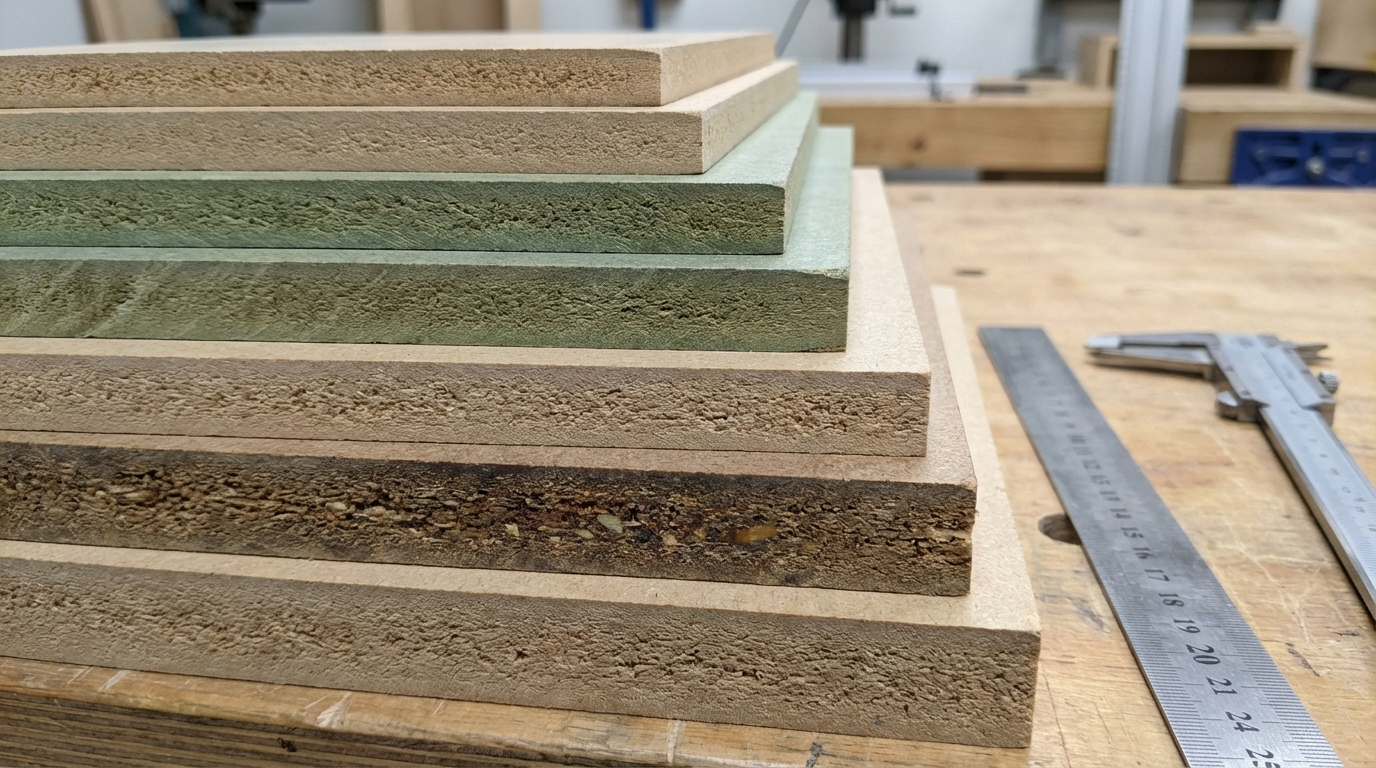
Interior Grade MDF
Standard MDF suitable for wardrobes, TV units, bookshelves, and furniture in climate-controlled or dry interior spaces. Most dealers stock this as their primary inventory in 8ft x 4ft sheets across common thicknesses (6mm, 12mm, 17mm, 18mm, 25mm). This is typically the most affordable MDF option.
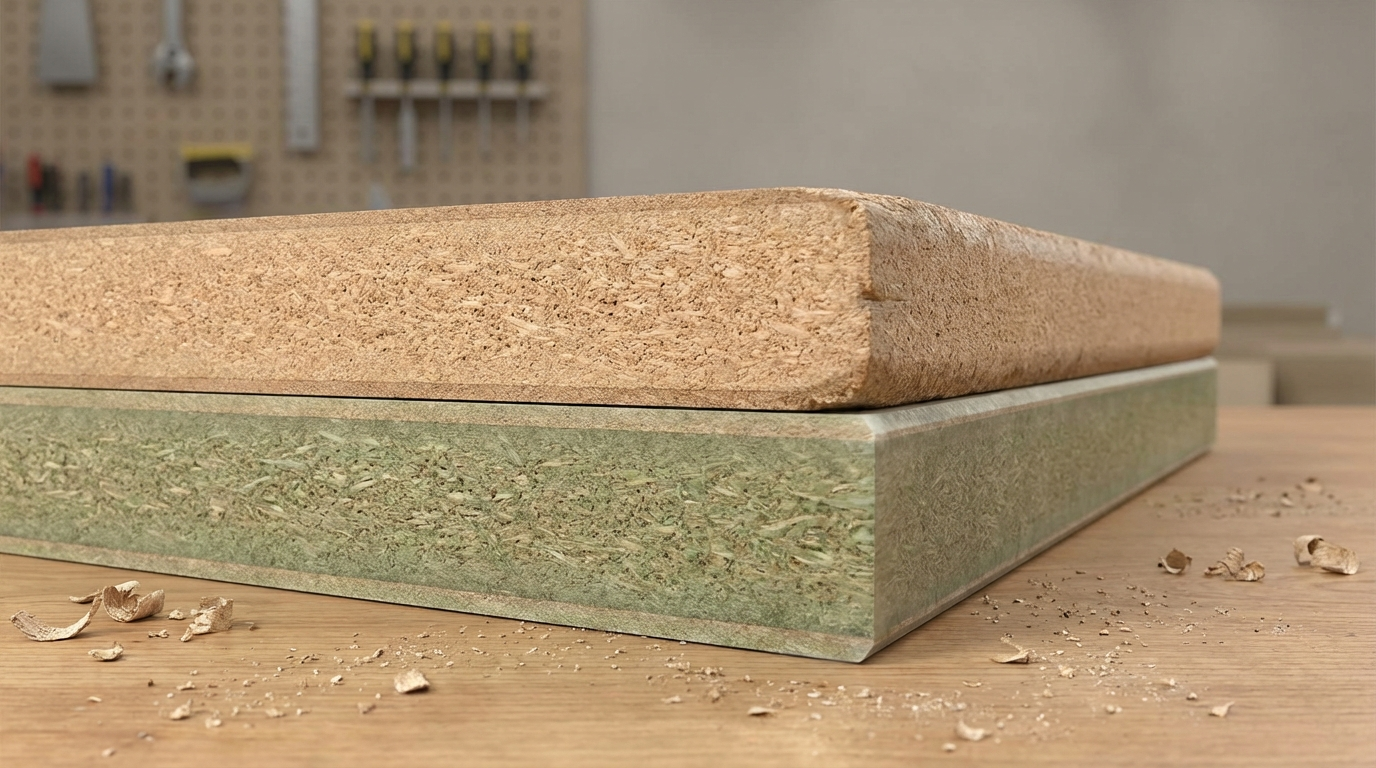
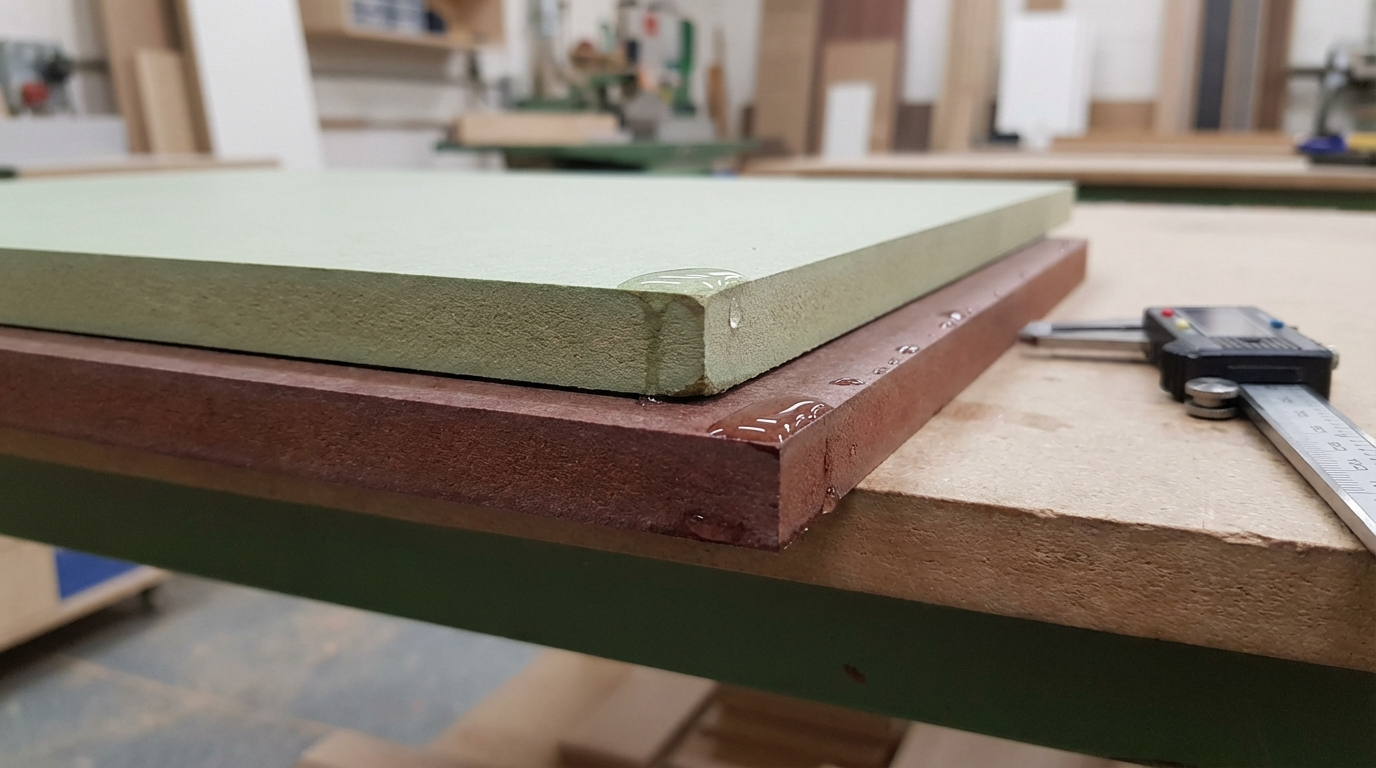
Exterior Grade MDF (Moisture Resistant)
Engineered for higher humidity exposure—suitable for kitchen cabinets, bathroom-adjacent furniture, and coastal applications. Check if dealers stock this separately or only procure on order, as many smaller dealers don't maintain exterior-grade inventory due to lower demand and higher costs.
HDFWR (High-Density Fibre Water Resistant) Boards
Premium category with higher density and enhanced water resistance for demanding applications. Products like VIR MAXPRO fall in this category. Not all dealers stock HDFWR variants—this often requires ordering from larger distributors or directly checking with manufacturer-appointed dealers.
Pre-Laminated MDF Sheets
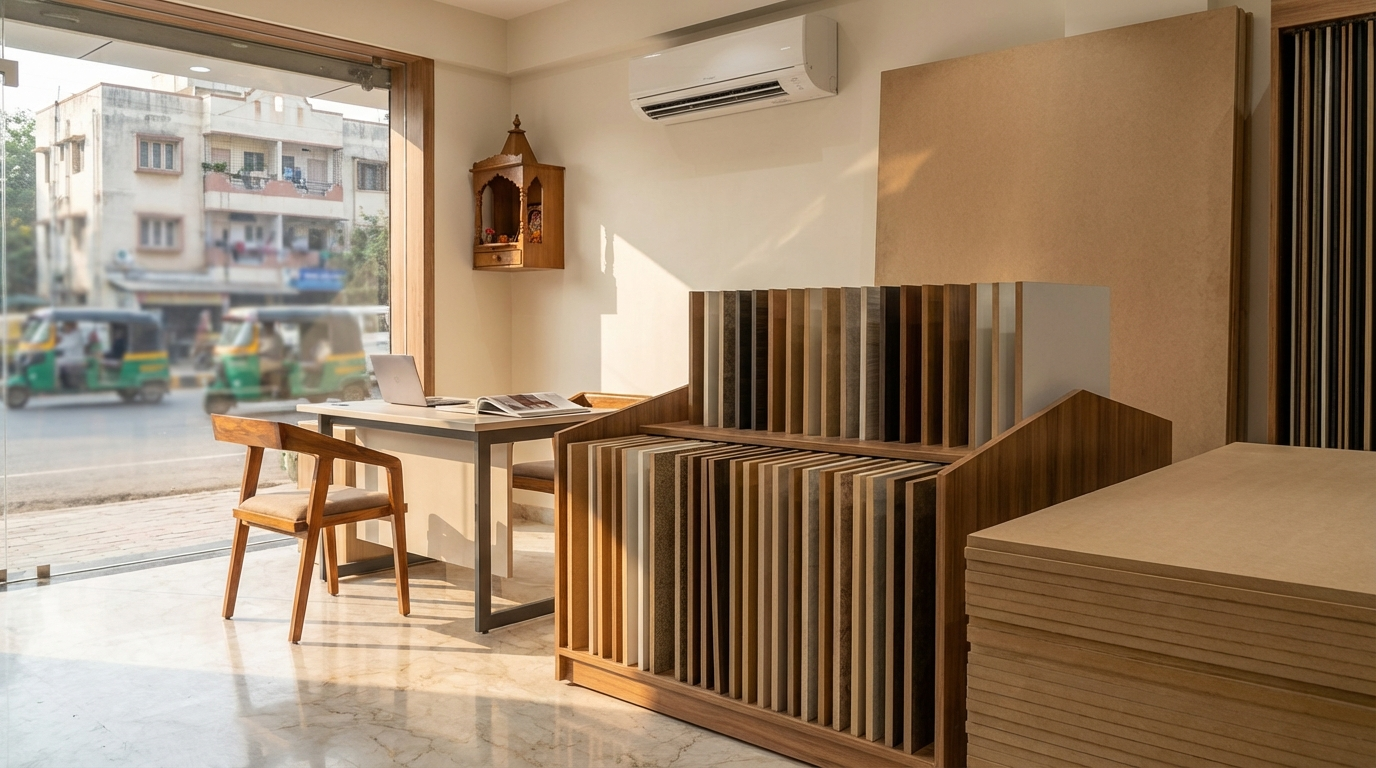
MDF boards pre-finished with decorative laminate surfaces, eliminating separate lamination work. Available in various colors, wood grains, and textures. Dealers offering pre-laminated options typically maintain sample boards or catalogs—inspect actual inventory, not just samples, as color matching between batches varies.
Price Ranges and Cost Factors (January 2026)
Quick Answer: MDF board prices in India typically range from ₹35-80 per square foot depending on thickness, grade, and brand positioning. Always get quotations in writing with GST details clearly mentioned.
Thickness-Wise Price Ranges
| Thickness | Interior Grade (per sheet) | Exterior/MR Grade (per sheet) | Common Applications |
|---|---|---|---|
| 6mm | ₹900 - ₹1,400 | ₹1,200 - ₹1,800 | Back panels, drawer bottoms |
| 12mm | ₹1,600 - ₹2,400 | ₹2,100 - ₹3,000 | Shelves, partitions |
| 17-18mm | ₹2,400 - ₹3,600 | ₹3,200 - ₹4,500 | Cabinet carcass, shutters |
| 25mm | ₹3,500 - ₹5,000 | ₹4,500 - ₹6,500 | Table tops, heavy-duty shelving |
Note: Prices vary by city, dealer, quantity purchased, and market conditions. Above ranges are indicative for 8ft x 4ft sheets and should be verified with local dealers.
Cost Factors That Affect Your Final Price
- Purchase Quantity: Bulk orders (20+ sheets) typically get 5-10% discount from list prices
- City/Location: Metropolitan areas have more competition and sometimes lower margins; remote areas add transport costs
- Payment Terms: Cash/immediate payment may get small discounts versus credit terms
- Delivery Inclusion: Some dealers quote ex-warehouse; delivery adds ₹500-2000 depending on distance
- Cutting Services: Dealers offering cutting-to-size charge extra but save you workshop visits
Decision Framework: Which Dealer Type for Which Situation
| Your Situation | Recommended Dealer Type | What to Verify |
|---|---|---|
| Small residential project (1-5 sheets) | Local retail hardware shop with MDF stock | Check board condition, confirm grade matches your need |
| Full home furniture (15-30 sheets) | Authorized city-level dealer with inventory | Negotiate bulk pricing, confirm same-batch delivery, get written quotation |
| Commercial project (50+ sheets) | Super-stockist or direct manufacturer inquiry | Verify supply timeline, request material test certificates if needed |
| Specialized grade needed (HDFWR/Fire-rated) | Manufacturer-appointed authorized dealer only | Confirm they regularly stock this variant, not procuring specially |
| Pre-laminated boards required | Dealer with pre-lam inventory and color catalog | Match actual inventory to catalog, check edge quality of stocked sheets |
| Urgent same-day requirement | Local market dealer with ready stock | Accept slight premium for immediate availability, still verify quality |
| Coastal/high-humidity area | Dealer who regularly stocks exterior-grade variants | Confirm storage is properly protected from salt air and humidity |
Common Buyer Mistakes When Selecting MDF Dealers
Mistake 1: Choosing Based on Lowest Price Alone
Consequence: Receiving substandard or improperly stored boards that fail during or after installation. Prevention: Compare prices within 10-15% range and prioritize storage conditions and service quality over minimal savings.
Mistake 2: Not Verifying Storage Conditions
Consequence: Boards with moisture absorption show edge swelling, warping, or laminate delamination after installation. Prevention: Always visit dealer premises before large orders; reject dealers with open-air or moisture-exposed storage.
Mistake 3: Accepting Boards Without Physical Inspection
Consequence: Discovering scratches, edge damage, or core defects only at carpenter's workshop when cutting begins. Prevention: Inspect every sheet at delivery or dealer premises before acceptance; reject damaged pieces immediately.
Mistake 4: Not Confirming Grade Before Purchase
Consequence: Using interior-grade MDF in kitchen or bathroom-adjacent areas leads to premature failure. Prevention: Clearly specify application area; ask dealer to confirm and document the grade being supplied.
Mistake 5: Ignoring Invoice Details
Consequence: Warranty claims rejected because invoice doesn't match manufacturer records or shows different grade. Prevention: Verify invoice mentions brand name, specific product grade, size, quantity, and dealer's GST number.
Mistake 6: Not Asking About Return Policy
Consequence: Stuck with defective boards when dealer refuses returns and manufacturer points back to dealer. Prevention: Clarify return/replacement policy in writing before purchase; understand what qualifies as returnable.
Mistake 7: Ordering Full Quantity Without Sample Test
Consequence: Entire batch has machining issues, edge chipping, or quality inconsistency discovered during furniture production. Prevention: For large orders, purchase 2-3 sheets first, test cutting and machining, then order balance.
Mistake 8: Relying Solely on Online Research
Consequence: Online listings don't reflect current stock, actual storage conditions, or service quality. Prevention: Use online search for leads only; always conduct physical visit before ordering.
Failure Modes and How to Prevent Them
Failure Mode 1: Edge Swelling After Installation
Symptom: Board edges expand, push against adjacent surfaces, laminate lifts at edges. Root Cause: Boards stored in humid conditions before purchase; moisture already absorbed. Prevention: Check board edges at dealer—they should be crisp and dry, not soft or discolored. Fix if already happening: Seal exposed edges immediately with edge banding or PU sealant; control room humidity.
Failure Mode 2: Surface Laminate Peeling
Symptom: Decorative laminate separates from MDF substrate, bubbles appear. Root Cause: Pre-laminated boards had bonding defects, or exposure to heat/moisture post-installation. Prevention: Inspect pre-lam boards for edge bond integrity; avoid direct sunlight exposure locations. Fix if already happening: Re-bond with contact adhesive if localized; replacement needed for widespread failure.
Failure Mode 3: Screw Holding Failure
Symptom: Screws spin freely, hinges become loose, shelves sag. Root Cause: Screws placed in damaged or low-density zones; wrong screw type used. Prevention: Use MDF-specific screws; check board density consistency before hardware installation. Fix if already happening: Relocate screws to fresh area; use larger diameter screws with wall plugs.
Failure Mode 4: Core Softness/Inconsistency
Symptom: Some areas cut cleanly while others crumble or chip excessively. Root Cause: Manufacturing inconsistency in the batch or moisture damage during storage. Prevention: Request consistent batch numbers for large orders; test-cut one board before using entire lot. Fix if already happening: Segregate affected boards; use them for less critical applications or return to dealer.
Failure Mode 5: Dimensional Inaccuracy
Symptom: Boards not truly 8x4 ft or thickness varies across sheet. Root Cause: Non-standard manufacturing or warping during storage. Prevention: Measure sample boards at dealer; specify tolerance requirements for precision work. Fix if already happening: Account for variations in cutting plans; return significantly out-of-spec boards.
Failure Mode 6: Strong Chemical Odor Persisting
Symptom: Furniture emits formaldehyde smell weeks after installation. Root Cause: High-emission boards used; inadequate room ventilation. Prevention: Ask for E1 or E0 emission grade boards; specify low-formaldehyde requirement. Fix if already happening: Maximize ventilation; seal all exposed MDF surfaces with paint or laminate.
Quality Checks Without Lab Tests
Before Buying at Dealer
- Visual surface check: No scratches, dents, stains, or rough patches on face
- Edge inspection: Clean, firm edges without softness, discoloration, or separation
- Weight assessment: Lift corner—consistent density boards feel heavier than porous ones
- Smell test: Mild woody smell acceptable; strong chemical odor indicates high emissions
- Thickness verification: Measure with tape at multiple points—should match stated thickness ±0.5mm
- Storage observation: Boards horizontal, off ground, in covered area
Questions to Ask Dealer
- Which batch/lot number are these boards from?
- How long have these been in your inventory?
- Can you provide manufacturer tax invoice copy?
- What's your return policy for defective boards?
- Do you stock exterior-grade and HDFWR variants?
- What transport protection do you provide for delivery?
After Cutting at Workshop
- Edge quality: Clean cuts without excessive tear-out or crumbling
- Core consistency: Uniform color and density across cut surface
- Machining behavior: Accepts routing, drilling, profiling without unexpected voids
- No delamination: Surface layer stays bonded to core throughout cutting
After Installation Check
- All edges sealed with laminate or edge band
- No moisture exposure points left unsealed
- Hardware holds firmly without spinning
- Surfaces clean and accept polish/paint as expected
Tips by User Type
For Homeowners
Focus on finding a dealer your contractor or carpenter trusts—they handle the technical evaluation while you verify documentation and pricing. Always keep original invoices for warranty purposes. For home furniture, interior-grade MDF works for bedrooms and living rooms; specify exterior-grade for kitchen and bathroom areas. Budget 10-15% extra for good quality over cheapest options—the difference shows in 2-3 years.
For Carpenters and Contractors
Develop relationships with 2-3 reliable dealers rather than constantly switching for small price differences. Negotiate annual rate contracts if your volume justifies it. Inspect every delivery before signing—reject damaged boards immediately rather than discovering problems at cutting stage. Keep records of which dealer supplied which project for tracking quality over time. Communicate grade requirements clearly to avoid mix-ups.
For Interior Designers and Architects
Specify MDF grade, thickness, and brand clearly in BOQ documents—avoid generic "MDF board" specifications. Build a verified dealer list for each city you work in. For high-end projects, consider factory visits or request batch samples before bulk orders. Document storage and handling requirements in contractor handover notes. Specify edge sealing requirements in drawings to prevent moisture-related failures.
For Modular Furniture Manufacturers
Establish direct relationships with distributors or super-stockists for consistent pricing and supply. Implement incoming quality checks—measure density, check edges, test sample cuts from each delivery. Track defect rates by supplier to identify reliable sources. Consider storage facility investments to buffer against supply variations. Negotiate credit terms and delivery schedules that match your production planning.
Frequently Asked Questions
How do I find authorized MDF board dealers near my location?
Start by contacting MDF manufacturer customer care numbers or checking official websites for dealer locators. Most established brands maintain updated lists of authorized dealers city-wise. Supplement this with visits to local hardware markets where multiple dealers operate—ask specifically about brand authorization and request to see distributor invoices. Your carpenter or contractor likely has established relationships with reliable suppliers and can provide practical recommendations based on their experience.
What is the difference between an MDF dealer and distributor?
Distributors operate at regional or state level, purchasing large quantities directly from manufacturers and supplying to multiple dealers. They maintain larger inventories and handle logistics for broader areas. Dealers typically operate at city or local level, purchasing from distributors and selling to end customers, carpenters, and furniture makers. For most purchases, you'll interact with dealers, but for very large commercial orders, approaching distributors may offer better pricing.
How can I verify if an MDF dealer is genuinely authorized?
Request to see the dealer's authorization letter or certificate from the manufacturer—legitimate dealers usually display these or can produce them on request. Check if their invoices carry proper manufacturer branding and batch details. You can also call the manufacturer's customer service with the dealer name to verify their status. Authorized dealers will typically have updated price lists matching manufacturer guidelines rather than arbitrary pricing.
Why are MDF prices different at different dealers in the same city?
Price variations occur due to several factors: dealers may have different credit terms with distributors, varying overhead costs based on location and setup, different margin expectations based on volume targets, and varying levels of additional services included (delivery, cutting, credit facility). Additionally, some dealers may stock older inventory at different costs. Comparing 3-4 dealers helps identify reasonable market rates—prices varying more than 15-20% warrant investigation into quality differences.
Can I return MDF boards if they turn out to be defective?
Return policies vary by dealer—establish this clearly before purchase. Manufacturing defects visible at delivery (cracks, delamination, inconsistent thickness) are typically grounds for immediate rejection or exchange. However, damage occurring during your transport, storage, or processing usually isn't covered. Get the return policy in writing, understand what documentation is needed for claims, and inspect all boards at delivery time rather than discovering issues later at the workshop.
Should I buy MDF directly from manufacturers instead of dealers?
Most MDF manufacturers in India sell through distribution networks rather than direct retail. Direct factory purchase typically requires very large quantities (full truck loads of 400+ sheets) with minimum order values. For project quantities of 10-50 sheets, authorized dealers remain the practical choice. The dealer network adds convenience of local availability, smaller quantities, and easier logistics while manufacturer warranties typically remain valid through authorized channel purchases.
How do I know if the MDF dealer's storage conditions are acceptable?
Visit the dealer's warehouse or storage area before placing orders. Acceptable conditions include: covered storage protected from rain and direct sunlight, boards stacked horizontally on level platforms (not leaning against walls), separation from ground to prevent moisture absorption, adequate ventilation without exposure to elements, and organized inventory with clear labeling. Walk away from dealers with boards stored outdoors, exposed to weather, or stacked haphazardly—such storage causes quality degradation regardless of original board quality.
What documents should I receive when purchasing from an MDF dealer?
Ensure you receive a proper GST tax invoice mentioning: dealer's GSTIN and business details, brand name and specific product grade, board size and thickness, quantity with unit prices, GST amount clearly shown, and total amount. For warranty purposes, keep these invoices safely. If the dealer claims authorization from a specific brand, request a copy of their authorization letter. Avoid accepting only cash memos or handwritten receipts—these complicate any future warranty claims or return requests.
Is it better to buy MDF from local hardware shops or specialized wood panel dealers?
Specialized wood panel dealers typically offer advantages: better product knowledge, wider variety of grades and thicknesses, proper storage facilities, and established relationships with manufacturers. Local hardware shops may stock MDF as secondary inventory with less expertise and potentially improper storage. However, for small urgent requirements, nearby hardware shops offer convenience. For projects requiring 10+ sheets or specific grades, investing time to visit specialized dealers usually results in better quality and service.
How far in advance should I order MDF boards for my project?
For common thicknesses (12mm, 17-18mm) in interior grade, most established dealers have ready stock and can deliver within 2-3 days. For specialized variants like exterior-grade, HDFWR, or specific pre-laminated finishes, allow 1-2 weeks as dealers may need to procure from distributors. For large project quantities (50+ sheets), discuss timelines 3-4 weeks ahead to ensure consistent batch availability. During peak construction season (October-March), maintain buffer time as demand increases and supply can tighten.
What should I do if I receive damaged MDF boards from a dealer?
Document damage immediately with photographs showing the specific defects—edge chips, surface scratches, moisture damage, or dimensional issues. Refuse acceptance of clearly damaged boards at delivery time if possible. Contact the dealer immediately with photographs and invoice details. Most professional dealers will arrange replacement for genuine manufacturing or transport defects. If the dealer refuses legitimate claims, escalate to the manufacturer's customer service with your invoice copy and damage documentation.
Are online MDF dealer listings reliable for finding suppliers?
Online directories provide useful starting points for identifying dealers in your area but require verification. Listings may be outdated, authorization status may have changed, and actual stock availability differs from claimed inventory. Use online platforms to shortlist potential dealers, then verify through phone calls and physical visits. Check Google reviews and business ratings but remember that review authenticity varies. The most reliable approach combines online research with in-person dealer assessment and carpenter recommendations.
Disclaimer: This content is provided for general informational purposes based on industry practices and publicly available information. Product specifications, standards, prices, and availability may vary by manufacturer, region, and time. Readers should independently verify details with manufacturers, dealers, or qualified professionals before making purchase or construction decisions.
Want Plywood Suggestions?
Share a few details and a VIR MDF specialist will suggest suitable brands and connect you to responsive dealers.