MDF Dust Safety: Masks, Extraction & Workshop Habits That Actually Help
MDF creates fine dust. Learn practical safety steps—mask types, extraction, cleanup habits, and ventilation—to protect your lungs while working.
Quick Decision Summary
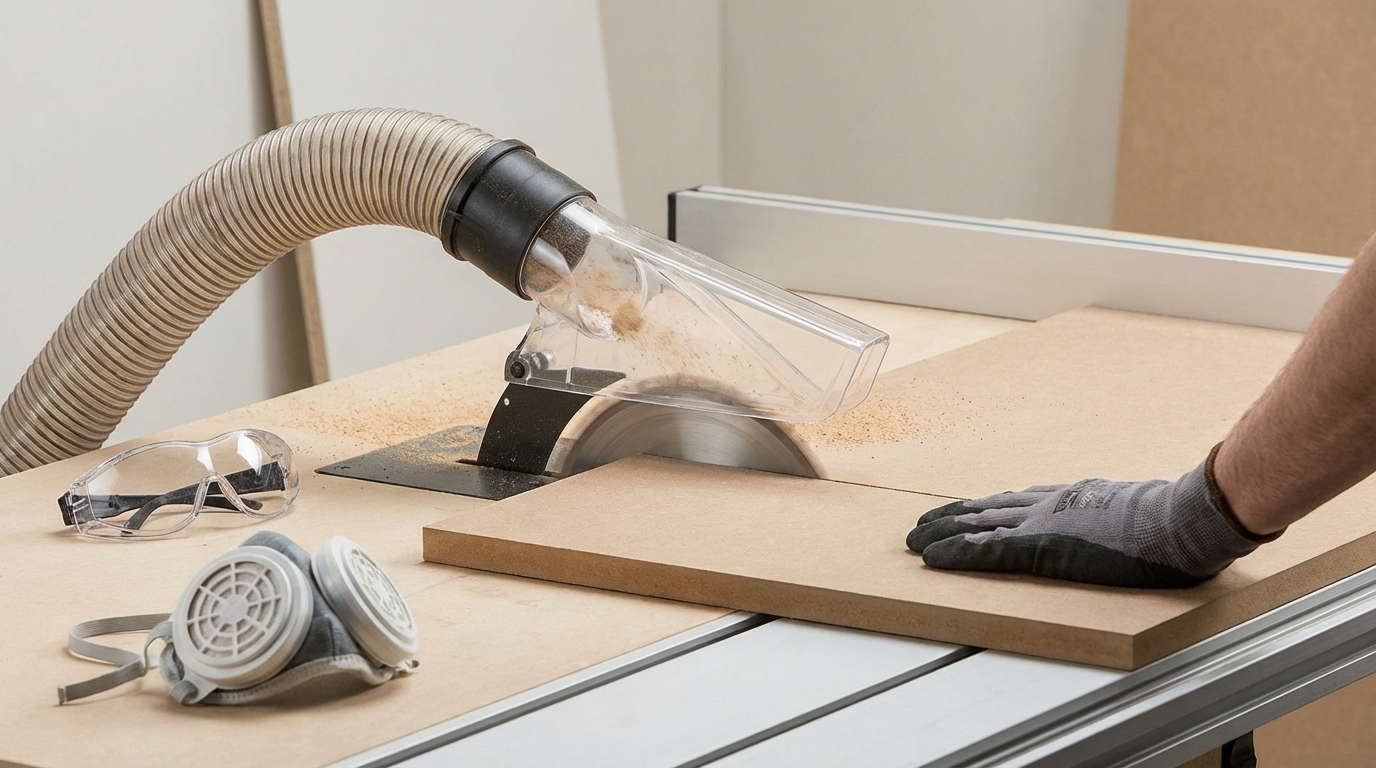
Use a P2 or higher rated respirator mask, pair it with a shop vac extraction at the saw, and adopt daily cleanup habits like wet wiping surfaces. This combo cuts inhalation risk by focusing on capture and barriers.
If you’re in a hurry: Prioritize a snug-fitting N95 or FFP2 mask for personal protection during cutting—test the seal by inhaling sharply. Hook up a dust extractor to your table saw or CNC, emptying bags outside. Ventilate your workshop with fans pushing air out, and end each day with vacuuming plus wet mopping to trap fine particles. In Indian workshops, where monsoon humidity clumps dust but small spaces trap it, these steps prevent lung irritation over years of use. Skip cloth masks or open windows alone—they let fine dust through.
- Choose this if… you cut MDF daily in a semi-enclosed space; add HEPA filtration for long-term health.
- Avoid this if… you skip mask fit-tests or ignore extractor clogs; risks build up fast in humid conditions.
What MDF Dust Actually Is
MDF, or medium-density fiberboard, breaks down into ultra-fine particles when cut, sanded, or routed. These dust particles, often under 10 microns, stay airborne longer than sawdust from plywood or solid wood. They come from wood fibers bonded with urea-formaldehyde resin, making the dust irritate eyes, skin, and lungs. In workshops, this dust settles on surfaces and re-suspends easily with foot traffic.
Unlike coarser dust from softwoods, MDF dust penetrates deep into lungs, causing short-term coughing or long-term issues like respiratory sensitivity. Indian carpenters often handle it without full gear due to heat and pace, but the fine nature demands specific habits. It differs from HDF dust, which is denser but similarly hazardous, or PVC dust, which adds chemical risks.
Why MDF Dust Safety Matters in Indian Workshops and Sites
In India, workshops face high humidity during monsoons, turning MDF dust sticky and harder to sweep— it clings to tools and floors, re-entering air easily. Coastal areas like Mumbai or Chennai add salt-laden air, worsening skin irritation from dust. Small urban shops lack space for big extractors, so dust builds up fast during wardrobe or kitchen jobs.
Practical consequences include irritated throats after a day's cutting, reduced lung capacity over months, and higher absenteeism for carpenters. Sites with poor ventilation trap dust inside AC units or false ceilings. Homeowners risk exposure during DIY tweaks. Proper habits prevent these, ensuring consistent workflow without health downtime.
How to Set Up MDF Dust Safety in 5 Steps
- Assess your space: Measure workshop size and tools. In tight Indian sheds, prioritize portable extractors over fixed vents.
- Select mask and test fit: Go for P2/FFP2; inhale to check seal—no air leaks at cheeks.
- Install extraction: Connect shop vac or cyclone separator to saw outlets; use HEPA bags.
- Build habits: Cut wet if possible, wipe tools daily, ban brooms that stir dust.
- Monitor and upgrade: Track coughs; add air purifiers if cutting exceeds 4 hours daily.
Common failure: Skipping step 2 leads to 50% less protection. In monsoon-prone areas, dry dust first to avoid clogs.
What Mask Do I Need for MDF Cutting?
For MDF cutting, pick an FFP2 or N95 respirator with a tight seal—avoid surgical masks as they filter only larger particles. These block 95%+ of fine dust under 5 microns. Test fit by covering with hands and inhaling; no gap means good. In hot Indian workshops, choose valved versions for easier breathing but check valves don't leak on exhale.
Nuance: Half-masks with P2 filters suit prolonged sanding; full-face shields add eye protection. Replace after 40 hours or if clogged. Next step: Practice donning/doffing without touching face—wash hands post-removal to avoid skin transfer in humid conditions.
Does a Simple Cloth Mask Work for MDF Dust?
No, cloth masks trap only 20-30% of MDF's fine dust; they let respirable particles through, risking lung buildup. Opt for certified respirators instead. In dusty Indian markets, vendors push cheap reusables—check for P2 markings.
Conditions: Fine for gross dust but fails in enclosed cuts. Upgrade if coughing persists. Check: Hold mask to face, blow—air shouldn't escape sides. Pair with goggles for full coverage during router work.
Best Mask Types and Selection Guide
Disposable FFP2 masks offer quick protection for occasional cuts; reusables with replaceable P2 cartridges last longer for daily carpenters. Valved options reduce heat buildup, crucial in non-AC Indian summers. Avoid loose bandanas—zero filtration.
Table for quick pick:
| Scenario | Mask Type | Why It Fits | India Tip |
|---|---|---|---|
| Quick cuts | FFP2 disposable | 95% filter, easy | Stock 50/pack for monsoons |
| Full day sanding | Half-mask P2 | Replaceable, comfy | Valve for humidity sweat |
| CNC operator | Full-face PAPR | Powered air, eyes safe | Battery for power cuts |
Trade-off: Costlier masks save health bills later.
Dust Extraction Systems That Deliver Results
Shop vacs with HEPA filters capture 99% at source—connect to table saw ports via hoses. Cyclone separators drop heavy particles first, extending filter life in high-volume MDF jobs. Portable units suit mobile carpenters.
In Indian workshops, choose 1000W+ vacs for 18mm MDF slabs; empty outside to avoid re-inhalation. Wet extraction for monsoons prevents clogs from humid dust.
What's the Best Dust Extractor for Small Workshops?
A 2HP shop vac with cyclone and HEPA sock filters works best for small setups—pulls 150 CFM, handling MDF routers without bogging. Position hose ends flush to tools.
Nuance: Fixed dust collectors for permanent shops; portables for sites. In coastal areas, rust-proof metal bodies. Check: Run empty first; strong suction means ready. Maintain by tapping filters weekly.
Workshop Habits That Cut Dust Exposure
Minimize dry sweeping—use vac + wet mop combo. Cut outside if possible, or under plastic sheeting. Seal tool ports tightly. End-shift ritual: Wipe benches with damp cloths, vac floors.
India realities: In humid sheds, dust cakes on fans—clean monthly. Group cuts to one session, reducing exposure windows.
How Often Should I Clean My Workshop for MDF Dust?
Clean after every major cut session and fully at day-end—vacuum, wet wipe, let settle overnight. This prevents overnight re-suspension from fans or doors.
Conditions: Daily for 5+ sheets; weekly deep clean otherwise. Monsoon tweak: Use anti-fungal wipes. Next: Track dust piles; if persistent, upgrade extraction.
Decision Framework for MDF Dust Safety Setup
Use this table to match your conditions:
| Workshop Condition | Recommended Setup | What to Verify |
|---|---|---|
| Small urban shed, humid | Portable vac + FFP2 mask + fans | Hose fit, mask seal, airflow out |
| Coastal, salty air | Full-face respirator + wet vac | Anti-corrode hoses, filter dryness |
| High volume CNC | Cyclone collector + PAPR | CFM rating >200, battery life |
| Tight budget | N95 pack + basic vac | Seal test, HEPA label |
| Monsoon heavy rain | Wet extraction + sealed masks | No clogs after test run |
| Multiple carpenters | Central collector + disposables | Bag capacity, shared hygiene |
Common Mistakes with MDF Dust Safety (and Fixes)
- Mistake: Reusing dusty masks. Fix: Inspect for crust; discard.
- Pulling mask down during breaks. Fix: Hang clean side out. 3. Brooms for cleanup. Fix: Vac first, mop residue. 4. Ignoring eye/skin. Fix: Goggles + long sleeves. 5. Poor hose connections. Fix: Tape securely. 6. Indoor emptying. Fix: Step outside. 7. No ventilation plan. Fix: Cross-breeze fans. 8. Skipping fit-tests. Fix: Weekly inhale checks. 9. Dry cutting in humidity. Fix: Mist water lightly.
Failure Modes and Fixes
1. Chronic cough after cuts: Symptom: Persistent throat tickle. Root: Fine dust bypass. Prevention: P2 seal. Fix: Rest, hydrate; upgrade mask.
2. Eye irritation/redness: Root: Airborne particles. Prevention: Sealed goggles. Fix: Flush with water; add shields.
3. Extractor clogs: Symptom: Weak suction. Root: Wet dust balls. Prevention: Dry stock pre-monsoon. Fix: Disassemble, hose out.
4. Skin rashes: Root: Resin contact. Prevention: Gloves/coveralls. Fix: Soap wash; barrier creams.
5. Re-suspended dust: Symptom: Hazy air next day. Root: Dry sweep. Prevention: Wet habits. Fix: Full vac-mop cycle.
6. Lung tightness long-term: Root: Cumulative exposure. Prevention: Rotate tasks. Fix: Doctor check; HEPA purifier.
Quality Checks You Can Do Without Lab Tests
Before buying gear: Feel mask flexibility—no stiff plastic. Check vac hose diameter matches tool ports. Ask for filter specs verbally.
After cutting: Inspect mask interior for dust cake; hose for blockages by suction test.
Post-install: Walk workshop—minimal visible haze? Floors non-slippery from residue.
Red flags: Cheap masks without straps; vacs without clear bags.
Can I Use a Fan for MDF Dust Ventilation?
Yes, but exhaust fans pushing air out work better than blowing in—combine with extraction to avoid spreading. Place near cuts, directing to open doors/windows.
Nuance: In monsoon, seal opposite vents to prevent rain entry. Coastal: IP-rated fans for moisture. Check: Hand test airflow direction; strong outward pull means effective.
Tips by User Persona
Homeowners: Buy bulk N95s for DIY; vac after sanding. Don't: Sand indoors without sheets. Do: Open windows fully.
Carpenters: Pre-seal cut zones; rotate with helpers. Fasten masks pre-cut. Avoid loose clothing trapping dust.
Architects: Spec extraction in drawings; note mask mandates. Detail ventilation paths for sites.
OEM Makers: QC hose fits per machine; train on habits. Track complaint logs for dust issues.
Is MDF Dust More Dangerous Than Plywood Dust?
Yes, MDF's finer particles (under 5 microns) reach deeper lungs vs plywood's coarser mix. Resin adds irritants. Both need gear, but MDF demands better extraction.
Conditions: HDF similar but denser. Check: Particle settle test— MDF hangs longer. Step: Same protocols, prioritize source capture.
FAQs
Should I wet-cut MDF to reduce dust?
Wet-cutting slashes airborne dust by 70-80% by binding particles, ideal for handheld saws in dry seasons. Spray mist lightly on blade entry—too much warps edges. In Indian monsoons, skip if stock's already damp to avoid mold. Test on scrap: Clean cut without gumming? Good. Dry with vac after; boosts safety for carpenters on wardrobes. Trade-off: Slower speed, needs drying time before laminating.
How do I know my mask fits properly?
Test seal by pinching nose clip, inhaling sharply—mask caves in without side leaks. Exhale check: No fog inside visor. Do this pre-shift; adjust straps for beard gaps. In humid workshops, sweat loosens fit—recheck hourly. Reusables need cleaning sans bleach. Poor fit halves protection, common in rushed Indian sites. Practice with mirror for full coverage.
What's the minimum extraction power for MDF?
Aim for 100 CFM per tool port; 150+ for routers. Test: Lifts paper scraps from 2 feet. HEPA stage captures fines. Indian small shops favor 1HP vacs—upgrade if motor strains. Empty 50% full to maintain pull. Clogs from HDF chips need coarser pre-filters.
Can I recycle workshop air filters?
No, tap gently outdoors but replace when suction drops 20%. Washable ones for vacs only if labeled. Dust embeds deep, reducing efficacy. Stock spares for monsoon downtimes. Burning filters releases resins—bad idea. Proper disposal cuts secondary exposure.
Does air conditioning help with MDF dust?
AC recirculates dust into rooms unless HEPA-filtered. Use as backup; prioritize extraction. Clean coils monthly in dusty sites. Coastal humidity makes AC drip collect dust—messy hazard. Open mode for exhaust better short-term.
How to clean skin after MDF exposure?
Wash with mild soap immediately—avoid hot water opening pores. Moisturize to block resin itch. Gloves prevent initial contact. In sweaty conditions, change shirts mid-day. Rashes signal overexposure; rest skin.
Is MDF dust a fire risk?
Yes, fine dust clouds ignite easily near sparks—keep vacs grounded, no smoking. Static buildup in dry winters sparks. Wet habits reduce risk. Store bags in metal bins outdoors.
Should kids avoid MDF workshops?
Absolutely—fine dust harms developing lungs. No entry during/after cuts till settled and mopped. Home projects: Do outside. Long-term sensitivity risks higher for youth.
What's the cost range for basic dust safety gear?
Masks: 10-50 per pack; vacs 5,000-20,000 based on power/HEPA. Hoses extra 1,000-3,000. City variation: Higher in metros. Drivers: Filter quality, portability. Bulk buys save for teams.
Disclaimer: This content is provided for general informational purposes based on industry practices and publicly available information. Product specifications, standards, prices, and availability may vary by manufacturer, region, and time. Readers should independently verify details with manufacturers, dealers, or qualified professionals before making purchase or construction decisions.Want Plywood Suggestions?
Share a few details and a VIR MDF specialist will suggest suitable brands and connect you to responsive dealers.