MDF vs Plywood: Which Is Better for a Bed? (Strength, Finish & Budget)
Choosing material for a bed? Compare MDF vs plywood on strength, sagging risk, finish options, and cost—plus the safest build approaches.
Quick Decision Summary
Plywood typically suits bed frames better for strength and sag resistance, while MDF works well for budget paneling with smooth finishes.
If you’re in a hurry: For most Indian homes building a bed, pick plywood (18-19mm thick) for the main frame and slats to handle weight and humidity swings without sagging. Use MDF (18mm) for headboards or side panels where finish quality matters more than raw strength, but seal edges extra well against monsoon moisture. Budgets under Rs 10,000 per bed favor MDF hybrids; over that, plywood lasts longer. Always check screw hold and flatness before finalizing.
- Choose plywood if: heavy daily use, kids/jumping risk, coastal humidity, or spans over 1m without extra supports.
- Choose MDF if: tight budget, smooth laminate finishes needed, non-structural panels, or quick carpenter turnaround.
- Avoid plywood if: premium veneer finish required without sanding hassles.
- Avoid MDF if: exposed to direct water splashes or needs superior screw grip for heavy mattresses.
What MDF Actually Is
MDF stands for Medium Density Fiberboard, made by breaking wood into fibers, mixing with resin, and pressing under heat into dense sheets. In Indian markets, it comes plain or pre-laminated, with thicknesses from 3mm to 25mm. Density usually hits 700-850 kg/m³, making it smooth for paints or laminates.
It fits beds as non-load-bearing panels like headboards or storage boxes, where flat surfaces speed up finishing workflows. Variations include moisture-resistant types with extra wax or resins, but standard ones swell in humid storage. Not ideal alone for frames due to lower bending strength compared to layered boards.
What Plywood Actually Is
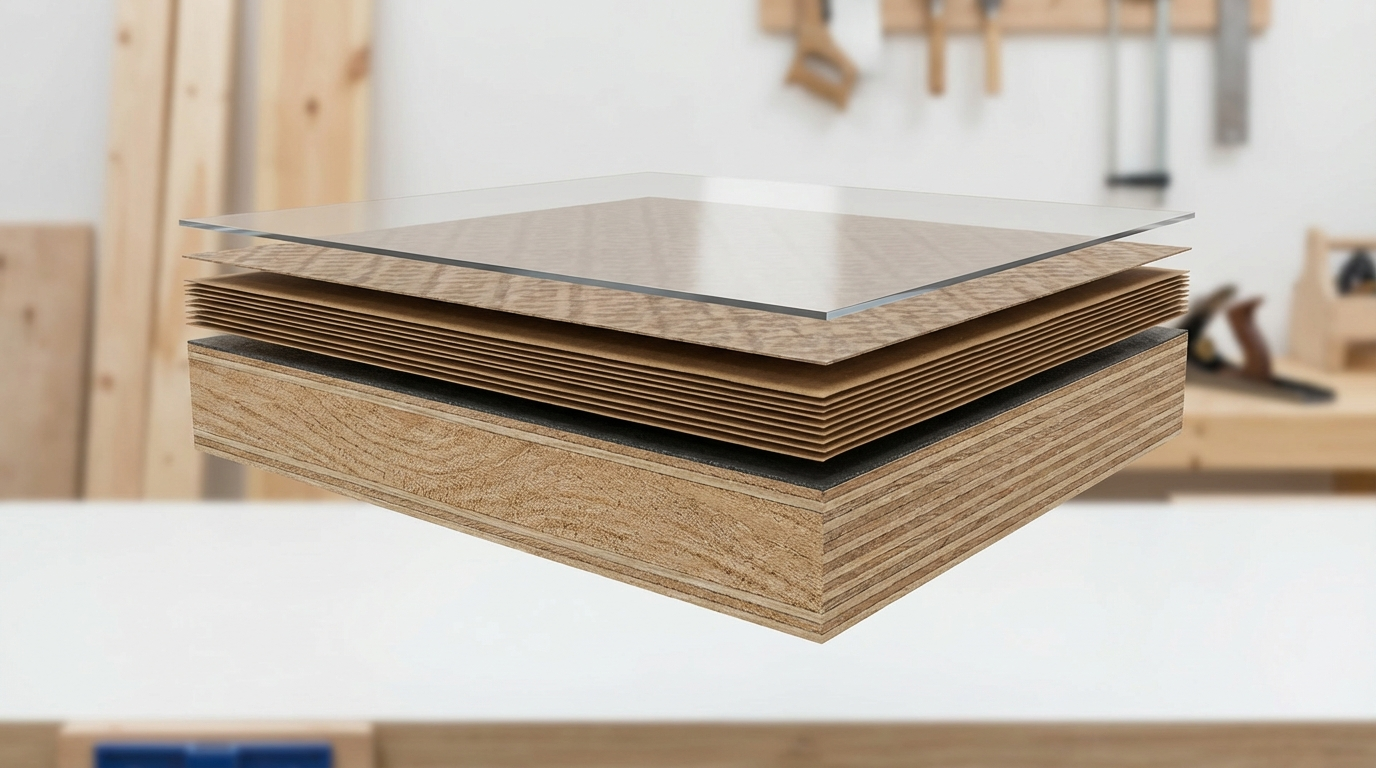
Plywood layers thin wood veneers crosswise with glue, pressed into strong sheets. Indian grades like BWR (boiling water resistant) or MR (moisture resistant) handle site conditions better. Thicknesses range 6-25mm, with 18-19mm common for furniture frames.
For beds, it excels in slats and side rails needing twist resistance and screw hold. Softwood or hardwood cores vary strength; check face grain direction for spans. It warps less than solid wood but needs edge sealing to block moisture ingress during monsoons.
Is MDF or plywood more eco-friendly for beds?
Plywood often edges out as more eco-friendly since it uses full veneers from fast-growing species like poplar or eucalyptus, common in India. MDF recycles wood waste but relies on urea-formaldehyde resins that off-gas in poor ventilation. For beds in kids' rooms, opt for low-emission certified plywood layers. Check by smelling fresh cuts—sharp chemical odor signals higher VOCs. Next, verify supplier storage: dry, covered stacks reduce mold risks. In coastal areas, plywood's natural breathability helps over sealed MDF.
Why It Matters in Indian Homes and Sites
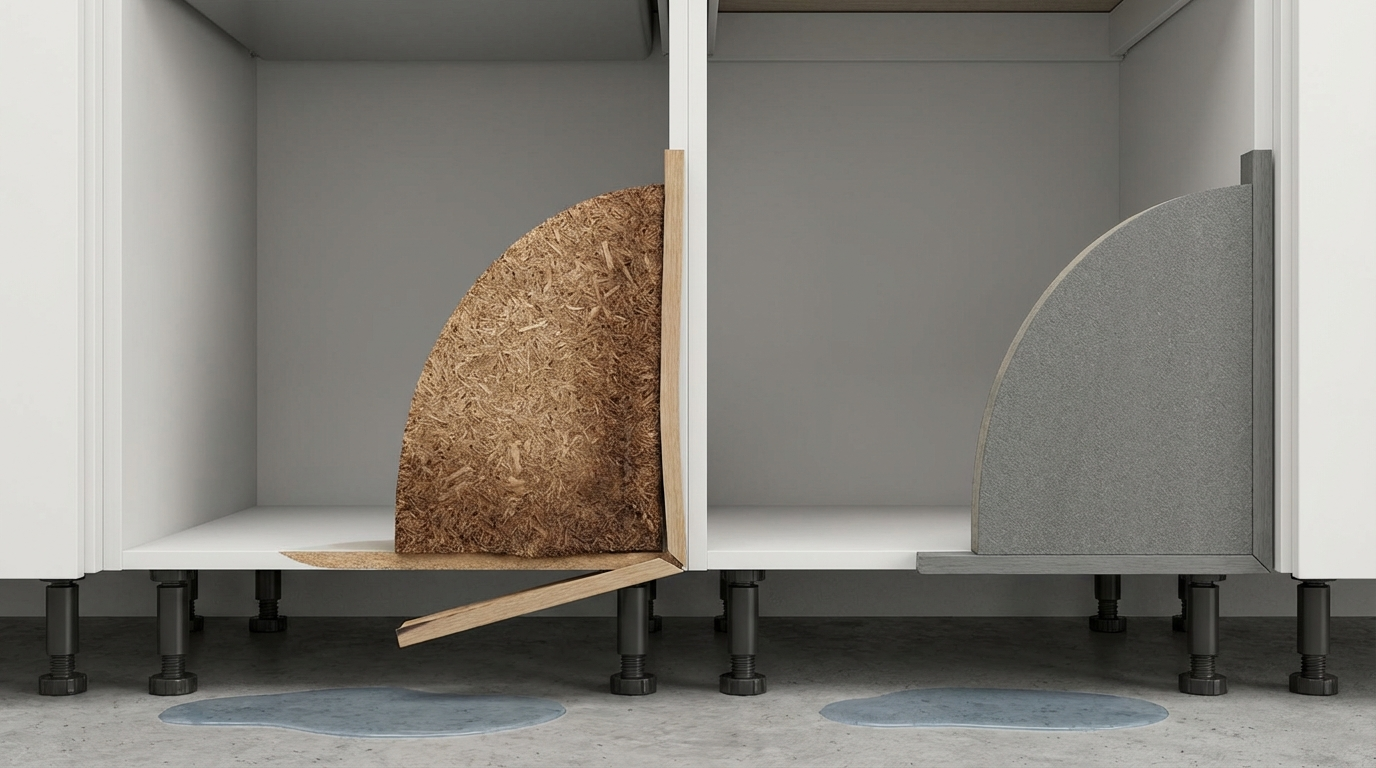
Monsoon humidity (70-90% RH) and coastal salt air hit both materials hard—MDF swells 10-15% at edges if unsealed, plywood delaminates if glue is subpar. Site realities like open godowns cause warping pre-install. Beds bear 100-200kg dynamic loads (jumping kids, shifting sleepers), so sagging shows in 1-2 years without proper spans.
Carpenters often cut corners on bracing; plywood forgives minor errors with better grip. Finishes crack on flexed surfaces, raising cleaning hassles. In tier-2 cities, transport jolts damage thin sheets—thicker options survive better.
Price Range and Cost Drivers
For beds, MDF sheets (18mm, 8x4ft) typically range Rs 2,500-4,000 per sheet; plywood (18mm BWR) Rs 3,500-6,000. A full queen bed frame uses 4-6 sheets, so MDF totals Rs 12,000-20,000 material cost, plywood Rs 18,000-30,000 before labor.
Cost drivers: thickness (add 20-30% per mm), density/grade (MR plywood cheaper than BWR), finish (prelam MDF saves 10-15%), edge banding (+Rs 50/m), logistics (Tier-1 cities 10% less), wastage (CNC cuts drop it 5%). City variation: Mumbai/Coastal 15% premium for moisture grades. Quote checklist: specify thickness, grade, quantity discount, cut-to-size fee, delivery terms.
Two-Minute Comparison (What Changes in Real Life)
| Factor | MDF | Plywood |
|---|---|---|
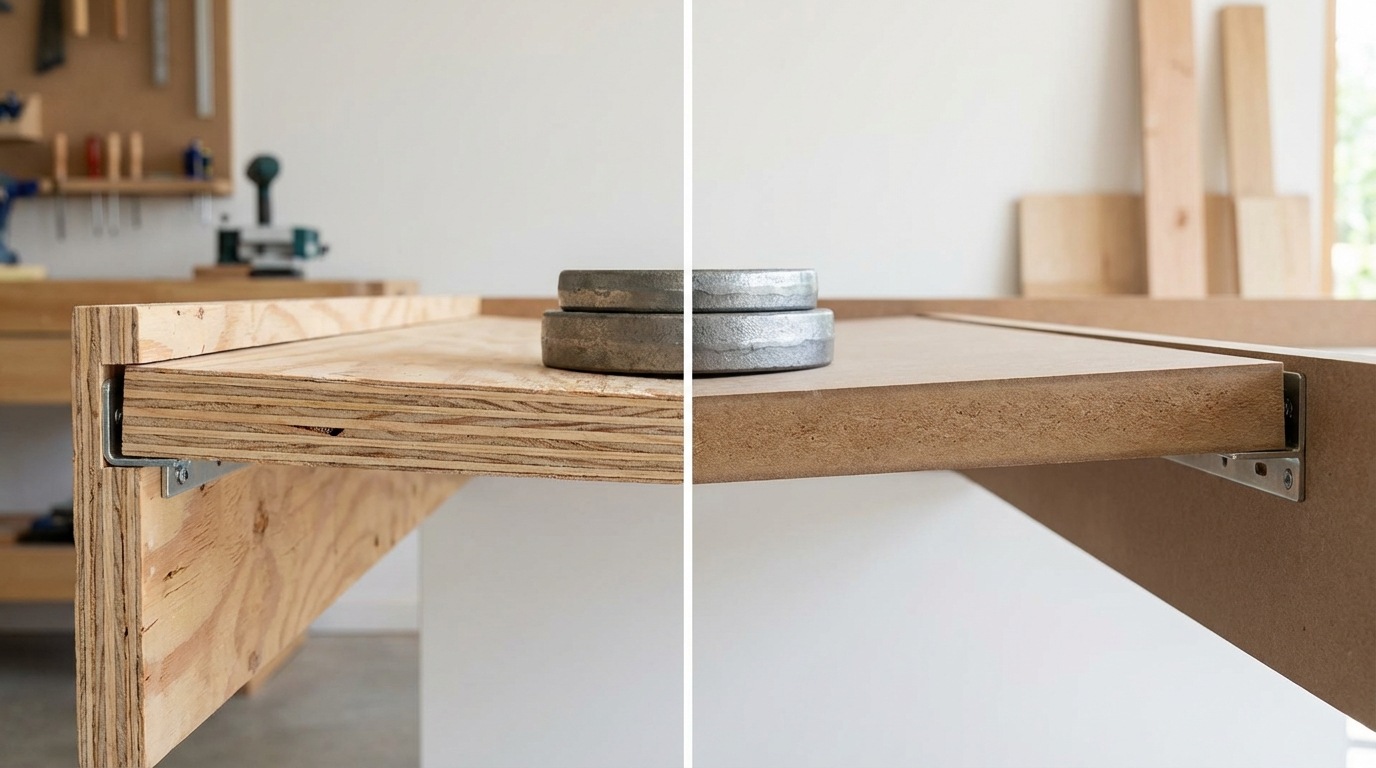
| Strength (Bending/Sag) | Good for panels; sags over 80cm spans | Superior; handles 1.2m+ with less deflection |
| Screw Hold | Weakens after 2-3 pulls; needs inserts | Strong; multiple uses ok |
| Finish Quality | Smooth base for laminates; no grain | Needs filler/sanding; veneer options |
| Humidity Resistance | Swells at edges; seal mandatory | Better if BWR; less warp |
| Weight | Heavier (35-45kg/sheet) | Lighter (25-35kg/sheet) |
| CNC/Handling | Cuts clean, no tear-out | Splinters; needs sharp bits |
| Cost per Bed Frame | Lower (20-30% savings) | Higher but longer life |
Choose based on conditions: wet zones favor sealed plywood, dry interiors suit MDF for speed. High abuse? Plywood. Budget finish priority? MDF.
Does MDF sag more than plywood in beds?
Yes, MDF sags faster under sustained loads like heavy mattresses over long spans due to uniform fiber structure lacking plywood's layered strength. In Indian homes with ceiling fans off, humidity softens it quicker. Limit MDF to 60-70cm unsupported widths; brace plywood to 1m. Check post-install: place 100kg weights overnight—no dip over 2mm. If sagging starts, add center legs or slat supports. Coastal users: ventilate under bed to cut moisture buildup.
Which holds screws better for bed assembly?
Plywood wins with cross-grain veneers gripping screws 2-3x longer than MDF's crumbly core. For beds, pre-drill MDF and use wood plugs; plywood takes direct #8 screws. Test: screw in 5 times, pull out—plywood resists stripping. In humid sites, coat threads with wax. Architects spec plywood for hinge/slats zones.
Practical Use Cases for Beds (What Works, What Fails)
| Bed Part | Recommended Material + Thickness | Finish Notes | Risk Notes (India Context) |
|---|---|---|---|
| Frame/Side Rails | Plywood 18-19mm | Laminate or paint | Sag/delam in monsoon; brace well |
| Slats/Base | Plywood 12-16mm | Clear coat | Humidity warp; space 5cm apart |
| Headboard | MDF 18mm | Pre-lam or veneer | Edge swell; double seal |
| Storage Drawers | MDF 16mm sides | Melamine | Runner wear; reinforce bottoms |
| Queen/King Full Frame | Plywood hybrid | Edge banded | Weight sag coastal; mid-support |
Can I use MDF for an entire bed frame?
Possible for light-duty single beds under 80kg load, but reinforce with 25mm legs and short spans to avoid sagging. In dry interiors, it holds; monsoons demand MR grade + full edge tape. Failures hit from poor bracing—add plywood gussets. Check: bounce test post-assembly. Homeowners, pair with metal frame for hybrids.
Failure Modes and Fixes
- Sagging Slats: Symptom: mattress dips center after months. Cause: thin spans or humidity-softened core (MDF worse). Prevention: 12mm+ plywood at 50cm centers. Fix: insert metal supports.
- Edge Swelling: Symptom: wavy borders post-monsoon. Cause: unsealed ends absorb moisture. Prevention: PVC tape all cuts. Fix: sand, reseal; replace if >5mm swell.
- Screw Stripping: Symptom: loose joints rattle. Cause: over-tighten in MDF. Prevention: pilot holes, wall anchors. Fix: larger screws or epoxy fill.
- Delamination: Symptom: layers bubble (plywood). Cause: poor glue in wet storage. Prevention: BWR grade, dry stacks. Fix: clamp + glue; often discard.
- Surface Scratches: Symptom: white marks on laminate. Cause: abrasive cleaners. Prevention: microfiber + mild soap. Fix: polish or overlay.
- Warp/Twist: Symptom: gaps in assembly. Cause: uneven site drying. Prevention: acclimate 48hrs indoors. Fix: shim joints.
Common Buyer Mistakes and How to Avoid Them
- Mistake 1: Skipping thickness check—buy 12mm for frames. Avoid: Measure spans, min 18mm structural.
- Mistake 2: Ignoring humidity grade in coastal areas. Avoid: Ask MR/BWR, test water bead test.
- Mistake 3: No edge sealing on MDF cuts. Avoid: Tape immediately post-cut.
- Mistake 4: Overloading unsupported spans. Avoid: Calc slat spacing (load/width).
- Mistake 5: Cheap glue/screws. Avoid: Yellow carpenter glue + coated screws.
- Mistake 6: Poor storage pre-install. Avoid: Elevate sheets, cover loosely.
- Mistake 7: Wrong finish for use. Avoid: Laminate over paint for kids' beds.
- Mistake 8: No bracing for kingsize. Avoid: Center beam mandatory.
Quality Checks You Can Do Without Lab Tests
Before Buying: Tap sheet—dull thud means dense; flex corner—no big bend. Ask glue type/age of stock. Red flag: warped stacks or musty smell.
After Cutting: Edges smooth? No fuzz (MDF good). Screw test scrap: hold firm? Check flatness with straightedge.
After Install: Bounce bed—no creak. Level check. Wipe edges weekly first monsoon.
Is 18mm enough for a double bed?
Yes for plywood frames with proper slats; MDF needs extras. Handles 150kg static. In humid zones, verify no bow under weight. Step: load test 24hrs. Add plywood if coastal.
Which to Choose: Decision Framework
| Condition | Recommended Choice | What to Verify |
|---|---|---|
| Wet/Coastal Zone | Plywood BWR 18mm + seal | Glue test: boil scrap 30min |
| Heavy Use/Kids | Plywood frame + MDF panels | Screw pull test 3x |
| Tight Budget | MDF 18mm prelam | Edge seal quality |
| Fast Delivery | Stock MDF | Flatness ruler check |
| High Finish/Scratch Risk | MDF + thick laminate | Surface scratch test |
| Long Spans (>1m) | Plywood reinforced | Deflection under 50kg |
How to Decide or Build in 5 Steps
- Measure bed size/load: queen? 18mm min.
- Assess site: humid? Plywood priority.
- Budget split: 40% material, test quotes.
- Spec finishes/edges: laminate + tape.
- Prototype scrap: cut/assemble test sag/screws.
Should I mix MDF and plywood in one bed?
Yes, hybrid best: plywood structure, MDF aesthetics. Saves 15-20% cost, leverages strengths. Seal joints. Common in modular Indian beds. Check transitions for level.
Tips for Homeowners
Durability: Vacuum weekly, no wet wipes. Don’t drag mattress. Elevate bed 20cm for air. Avoid direct AC drip.
Tips for Carpenters
Cut MDF slow, zero clearance insert. Edge band hot-melt. Fasten plywood perpendicular grain. Hinge on thicker zones.
Tips for Architects/Designers
Spec drawings: grain dir, brace locs. Wet zones: vent details. Finish schedules by exposure.
Tips for OEM/Modular Makers
QC: batch flatness scans. Reduce returns: pre-seal kits. Repeatability: CNC programs per density.
How much weight can an MDF bed hold?
Typically 100-150kg even static with bracing; less dynamic. Beef up legs/slats. Test incrementally. Plywood doubles safe margin.
FAQs
Is plywood heavier than MDF for beds?
No, plywood sheets weigh less due to layered voids vs MDF's solid density, easing handling for carpenters. A 18mm 8x4 plywood is 25-30kg, MDF 35-40kg. Lighter frames reduce transport costs in cities. But strength offsets—plywood resists twist better during moves. For upper-floor installs, prefer plywood; check by lifting corners pre-buy.
Which is easier to cut for custom bed designs?
MDF cuts cleaner without splinters, ideal for CNC intricate headboards. Plywood needs scoring to avoid tear-out on veneers. In workshops, MDF speeds production 20%. Sharp blades mandatory both. For monsoons, dry cuts prevent gum-up.
Does MDF off-gas more in bedrooms?
Possibly, from resins—ventilate first weeks. Plywood glues similar but less dense. Kids' rooms: acclimate outdoors first. No strong odors post-cure if quality stock.
Can plywood be painted smoothly like MDF?
Yes, with primer/filler on grain; MDF needs none. But plywood flex hides less. Laminates equalize. Test patches for adhesion in humidity.
What's better for bed storage units?
MDF for boxes (smooth drawers), plywood bottoms (sag-proof). Hybrid avoids drawer sag under clothes. Seal all for linen dampness.
How to prevent bed frame squeaks?
Use glue + screws; wax joints yearly. Plywood grips longer. Tighten seasonally post-monsoon.
Is 16mm thickness ok for bed slats?
For plywood yes at close spacing; MDF no—risk snap. 100kg safe. Verify bend test.
Which lasts longer in Indian summers?
Plywood, less expansion. Both need shade storage. Annual edge checks.
Can I use WPC instead for beds?
Hybrid option for moisture, but costlier. Strength like MDF. Test screw hold. Disclaimer: This content is provided for general informational purposes based on industry practices and publicly available information. Product specifications, standards, prices, and availability may vary by manufacturer, region, and time. Readers should independently verify details with manufacturers, dealers, or qualified professionals before making purchase or construction decisions.
Want Plywood Suggestions?
Share a few details and a VIR MDF specialist will suggest suitable brands and connect you to responsive dealers.