What Is MDF Used For? 25 Practical Uses in Furniture, Interiors & DIY
Discover 25 practical MDF uses—from wardrobes to wall panels to DIY projects—plus quick tips to choose the right thickness and finish.
Quick Decision Summary
MDF serves as a versatile base for furniture, modular interiors, and DIY builds thanks to its flat surface and easy machining.
If you’re in a hurry: Pick MDF for smooth-paintable or laminatable panels in wardrobes, kitchen shutters, wall panels, TV units, and shelves. Opt for 18mm thickness for load-bearing furniture like beds or cabinets; 6-12mm for lightweight partitions or DIY. In humid Indian sites, pair with moisture-resistant variants and edge-seal all cuts. Avoid exposed edges in wet zones like bathrooms without PVC wrapping. Expect costs varying by city, thickness, and finish—always verify screw-hold by testing samples.
- Choose MDF if you need budget-friendly, paintable surfaces with precise CNC cuts for modular homes.
- Avoid MDF if direct water exposure is likely without added protections like lamination or WR grades.
What This Material/Option Actually Is
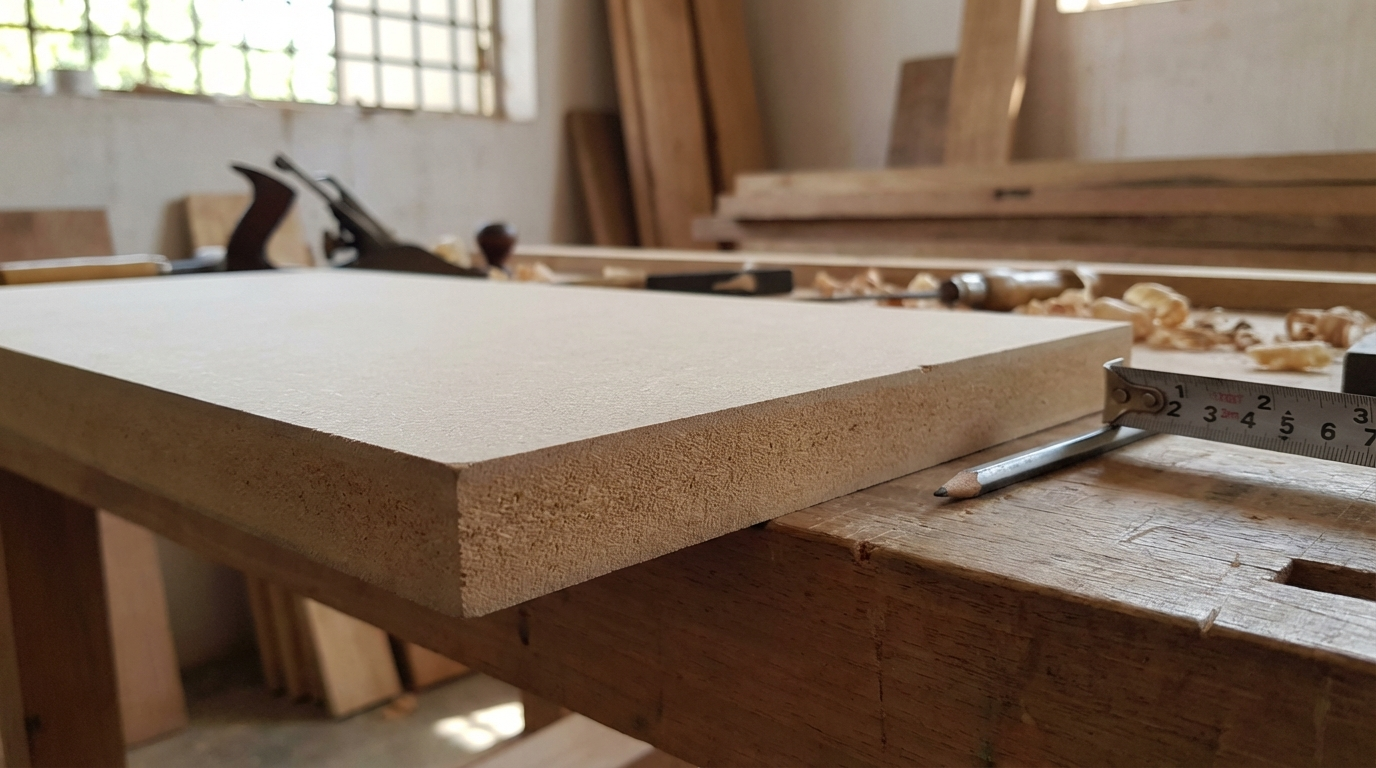
MDF, or Medium Density Fiberboard, is an engineered wood panel made by compressing wood fibers with resins under heat and pressure. It creates a uniform, dense sheet without knots or grain variations, ideal for painting, laminating, or veneering. Unlike solid wood, it machines cleanly for intricate shapes via CNC routers.
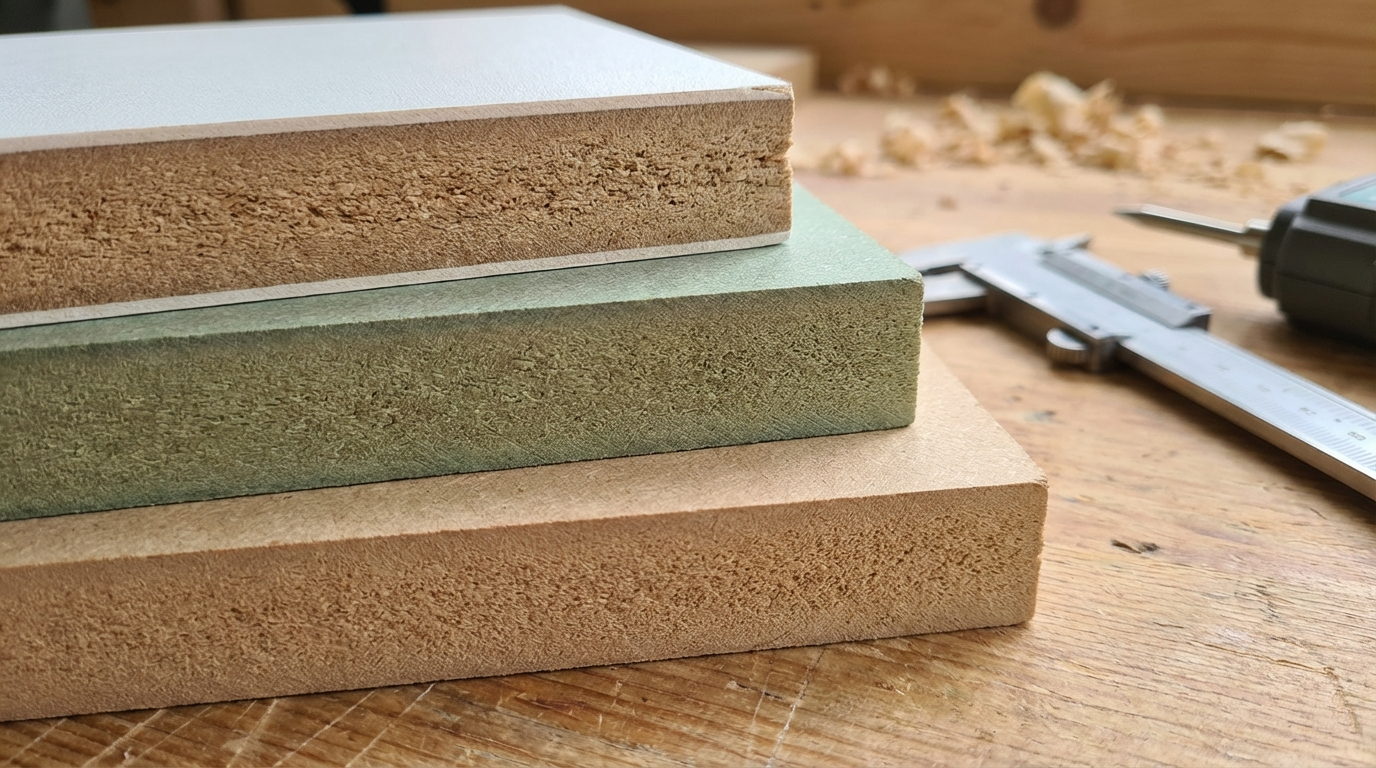
In Indian markets, standard MDF comes in thicknesses from 3mm to 25mm, with densities around 700-800 kg/m³. Variations include moisture-resistant (MR) or termite-resistant types using special resins. It fits as a core for laminated boards, pre-laminated sheets, or raw panels finished on-site.
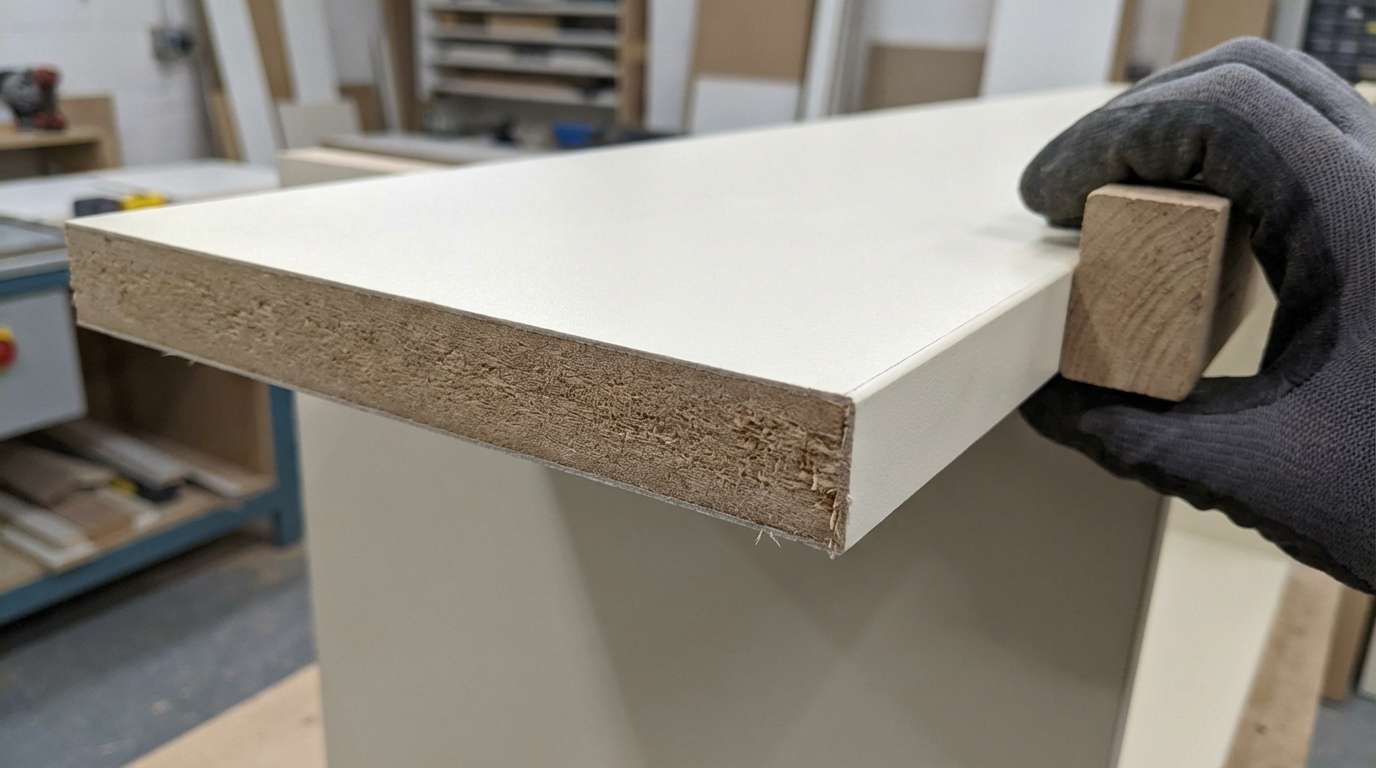
Key traits: smooth both faces, consistent thickness, good screw-holding after pilot holes, but edges need sealing to prevent swelling.
Why It Matters in Indian Homes and Sites
Indian climates bring high monsoon humidity (80-90% RH), coastal salt air, and poor storage at sites, making untreated MDF prone to edge swelling or delamination. In urban apartments, modular furniture demands precise fits, where MDF excels over plywood's warping.
Practical impacts: In kitchens, steam hits edges first—unsealed MDF softens fast. Coastal Mumbai homes see faster moisture pickup during rains. Site realities like open godowns mean acclimating sheets 48 hours before cutting. Workmanship gaps, like skipping edge banding, lead to sagging shelves in 6-12 months.
Upside: Affordable for mass housing; pairs with laminates for glossy finishes resisting fingerprints in busy homes.
Meaning, Types, and Where People Get Confused
MDF stands for Medium Density Fiberboard, a man-made panel from recycled wood fibers bonded with urea-formaldehyde resins. It's not plywood (layered veneers) or particleboard (coarse chips)—MDF offers finer texture for superior finishes.
- Confusion 1: All "MDF" is moisture-proof—only MR or HDFWR variants resist humidity; standard swells in monsoons.
- Confusion 2: Thicker always stronger—over 18mm adds weight without proportional gains for most uses.
- Confusion 3: Paint directly on raw edges—always prime and seal to avoid fuzzing.
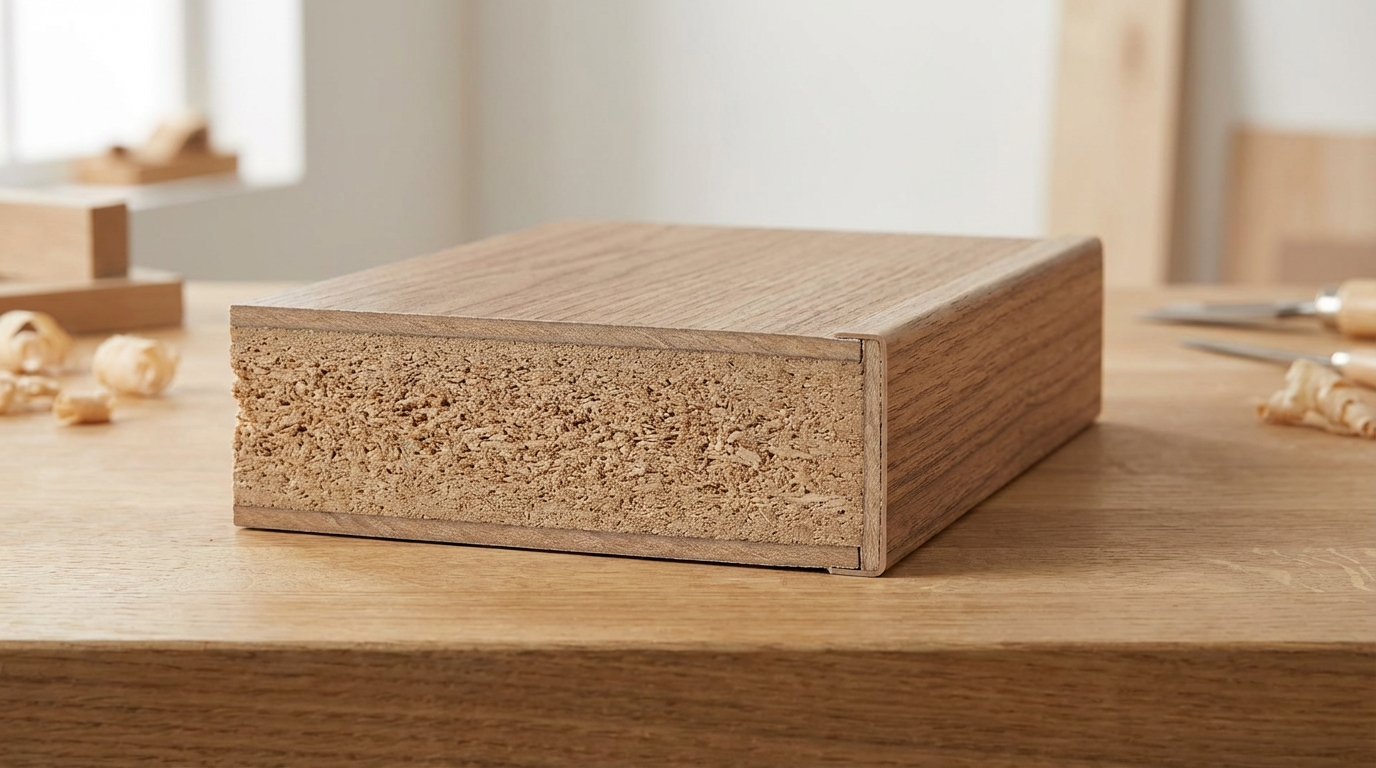
- Confusion 4: Same as laminate boards—laminates are surfaced MDF; raw MDF needs post-processing.
- Confusion 5: Termite-free forever—resins deter but surface treatments needed for long-term.
- Confusion 6: DIY without tools—requires sharp blades to prevent chipping.
Is MDF the Same as Plywood?
No, MDF is fiber-based for smoother surfaces, while plywood layers veneers for better strength-to-weight in bending. MDF suits flat panels like doors; plywood for frames. In India, choose MDF for laminated wardrobes to avoid plywood's glue-line telegraphing; test by scratching—plywood splinters, MDF dusts evenly. Next, check density: tap for solid thud (good MDF) vs. hollow (low-grade). For coastal sites, both need WR grades, but MDF edges demand extra sealing.
Practical Use Cases (What Works, What Fails)
MDF shines in non-structural, finish-heavy applications where uniformity matters. Failures stem from moisture exposure or poor edge prep. Below table outlines fits by use.
| Application | Recommended Thickness | Finish Notes | Risk Notes (India Context) |
|---|---|---|---|
| Wardrobe Shutters | 18mm | Laminate or paint | Edge swelling in humid storage |
| Kitchen Cabinets | 18mm | High-pressure laminate | Steam delam if unsealed |
| Wall Panels | 6-12mm | Veneer or PVC foil | Sag in monsoons without battens |
| TV Units | 12-18mm | Melamine face | Scratch-prone in kids' rooms |
| Shelves | 18mm | Edge banded | Screw pull-out on overload |
Use this to match project needs; always prototype high-risk areas.
25 Practical MDF Uses in Furniture, Interiors & DIY
Here are 25 field-tested uses, grouped by category. Each includes thickness guide, why MDF fits, and India-specific tweaks.
Furniture (1-10):
- Wardrobe shutters: 18mm laminated—smooth sliders resist warping.
- Bed headboards: 12mm painted—lightweight, no knots.
- Side tables: 18mm legs + top—precise CNC joints.
- Dining table aprons: 12mm—stable under glass.
- Chair backs: 12mm curved—easy routing.
- TV cabinets: 18mm shelves—holds 50kg TVs.
- Shoe racks: 12mm slats—ventilated design.
- Study desks: 25mm top—scratch-resistant laminate.
- Dressing tables: 18mm drawers—smooth glides.
- Bookcases: 18mm adjustable shelves—punch-grid system.
Interiors (11-18):
- Kitchen shutters: 18mm HPL-faced—steam-resistant.
- Wall panels: 8mm PVC-wrapped—monsoon hide.
- Room partitions: 12mm slotted—acoustic damping.
- False ceiling frames: 6mm strips—lightweight grid.
- Office partitions: 12mm fabric-covered—modular.
- Reception desks: 25mm counter—durable laminate.
- Display shelves: 12mm—retail fixtures.
- Booths/seating: 18mm upholstered—cafe use.
DIY & Others (19-25):
- Floating shelves: 18mm bracketed—bathroom ok if sealed.
- Picture frames: 6mm—custom mitres.
- Crafts/toys: 3-6mm—safe paintable.
- Planters (indoor): 12mm lined—humidity test.
- Toy storage boxes: 12mm—stackable.
- Notice boards: 9mm fabric-back—home office.
- Garden benches (covered): 18mm—outdoor edges sealed.
Scale by project: thin for decor, thick for loads. Acclimate 2 days in site humidity.
Can MDF Be Used Outdoors?
Limited—only treated MR MDF with multiple sealant coats for covered patios. Direct rain causes swelling in weeks. In India, coastal winds accelerate failure; test by wetting edge sample overnight. Prefer WPC alternatives for full exposure. If using, apply 2-3 epoxy coats + UV paint; check after monsoons for cracks. Next step: prototype small bench, monitor 3 months.
Is MDF Safe for Kitchen Use?
Yes, with laminate or HPL finishes sealing against spills/steam. Raw MDF absorbs oils fast. In Indian kitchens, grease + humidity combo risks delam; choose 18mm MR grade. Verify by pressing wet cloth 24 hours—no swelling. Avoid direct flame zones; use steel for sinks. Install with vapor barriers behind. Long-term: clean with damp cloth only, no soaking.
Failure Modes and Fixes
- Symptom: Edge swelling/softening. Root: Moisture wicking post-cut. Prevent: Seal all edges with PVA or wax within hours. Fix: Sand + re-seal if early; replace if structural.
- Symptom: Screw pull-out. Root: No pilot holes or overload. Prevent: Pre-drill 70% diameter; use inserts for hinges. Fix: Refasten with anchors.
- Symptom: Surface delamination. Root: Poor adhesive or humidity. Prevent: Acclimate sheets; quality laminate press. Fix: Spot glue + clamp.
- Symptom: Chipping on cuts. Root: Dull blades. Prevent: Use 60-tooth carbide blades, zero-clearance. Fix: Fill + sand.
- Symptom: Sagging shelves. Root: Undersized thickness. Prevent: 18mm min for 1m span, center supports. Fix: Add battens.
- Symptom: Termite tracks. Root: Surface breach. Prevent: Borate-treated variants + skirting gap. Fix: Fumigate + replace.
Common Buyer Mistakes and How to Avoid Them
- Mistake 1: Buying thinnest/cheapest—avoid by load-testing sample shelf with 20kg.
- Mistake 2: Skipping acclimation—stack horizontally 48hrs in room temp/humidity.
- Mistake 3: Ignoring edge prep—budget 10% extra for banding tape.
- Mistake 4: Direct paint on raw—prime first, 2 coats min.
- Mistake 5: Overloading without braces—in monsoons, add 20% safety factor.
- Mistake 6: Coastal storage open—cover stacks, elevate off ground.
- Mistake 7: Wrong fasteners—use 40-50mm confirms for 18mm.
- Mistake 8: No finish samples—tape test for adhesion in humid air.
- Mistake 9: CNC without dust extraction—chokes machines, use hoods.
Decision Framework for MDF Applications
| Site Conditions | Recommended Specs | What to Verify |
|---|---|---|
| Wet zone (kitchen) | MR MDF, 18mm, HPL finish, full edge band | Wet edge test overnight |
| Coastal humidity | HDFWR, laminate, epoxy edges | Density stamp >750kg/m³ |
| Heavy use (kids) | 18-25mm, abrasion-resistant foil | Scratch test with key |
| Tight budget | 12mm standard, melamine | Flatness <1mm warp |
| Fast delivery | Pre-laminated stocks, 12-18mm | Batch uniformity |
| High scratch risk | Textured laminate, 1.5mm thick | Fingerprint wipe test |
What Thickness of MDF for Wardrobes?
18mm standard for shutters/frames balances strength and weight. Use 12mm for doors only if light-duty. In Indian apartments, 18mm prevents sagging under clothes weight. Check by stacking 30kg on sample span. Avoid 15mm—twists in humidity. Next: Measure door size, add 20mm clearance for hinges.
Does MDF Warp in Humidity?
Standard does if unsealed; MR grades resist better. Monsoon RH spikes cause 2-5% expansion. Prevent by full sealing + ventilation. Test: Weigh sample pre/post 90% RH chamber (DIY with wet towel box). If warps >2mm, switch to HDF. Install with 5mm expansion gaps.
Quality Checks You Can Do Without Lab Tests
Before Buying:
- Tap test: Uniform thud, no hollows.
- Edge straightness: <0.5mm deviation with straightedge.
- Weight: Heavier feels denser.
- Questions: Ask resin type, storage since production.
After Cutting:
- No fuzz: Clean cut means sharp tool.
- Screw test: Holds 20kg without spinning.
- Paint adhesion: Tape pull after dry.
After Install:
- Alignment: Level check all planes.
- Edge seal: Wipe test no absorption.
- Clean: Mild soap only.
Two-Minute Comparison (MDF vs Alternatives)
| Aspect | MDF | Plywood | Particleboard |
|---|---|---|---|
| Smoothness | Excellent | Good (grained) | Poor |
| Moisture Resistance | Fair (needs MR) | Better (MR ply) | Poor |
| Cost (per sqm, 18mm) | Medium | Higher | Lower |
| CNC Ease | Best | Good | Fair |
| India Monsoon Fit | Sealed ok | Stronger | Avoid |
Choose MDF for finishes; plywood for flex.
Tips for Homeowners, Carpenters, Architects & OEMs
Homeowners: Durability do: Wipe spills instantly, use felt pads under vases. Don’t: Abrasive cleaners, overload shelves sans braces. Vacuum dust weekly.
Carpenters: Cut with fine blade, pilot all holes, edge-band machine-hot. Handle flat to avoid bows; store vertical post-cut.
Architects: Spec 18mm min loads, detail edge returns, note WR for <60% RH zones. Include 2% expansion joints.
OEMs: QC flatness batches, standardize CNC feeds, track returns by edge failures—aim <2%.
How to Finish MDF Edges Properly?
Edge-band with 2mm PVC tape using hot-melt machine for flush bond. Hand-iron for DIY. In India, heat helps resin flow in humid shops. Sand 180-grit pre-band. Check: Pull test no lift. Alternative: 3-coat primer + paint. Prevents 90% swelling.
Can You Paint MDF Directly?
Yes, after sanding + MDF primer to seal pores. 2 filler coats for smooth base. Humidity dries slow—wait 24hrs between. Test adhesion with thumb rub. Indian tip: Add anti-mold paint for bathrooms. Avoid oil paints—trap moisture.
FAQs
Is MDF Strong Enough for Beds?
Yes for headboards/side rails at 18-25mm with braces, but not full frames—use plywood there. MDF holds mattresses fine if center-supported. In Indian homes, add cleats for 100kg couples. Failure point: Undersized legs bow. Prototype span test with weights; acclimate fully. Pairs well with metal frames for stability.
What Finish Is Best for MDF Wardrobes?
Laminate (1mm HPL) for durability against fingerprints and scratches in daily use. Melamine for budget gloss. Indian kitchens need textured to hide steam marks. Apply edge banding first. Verify: Heat sample with iron—no bubbles. Lasts 10+ years with proper seal.
Does MDF Attract Termites?
Less than solid wood due to resins, but surface damage invites them. Use termite-resistant variants with borates. Elevate furniture 150mm off floors in termite-prone areas. Inspect annually for mud tubes. Prevention beats treatment—combine with neem oil wipes.
Can MDF Be Used for Bathrooms?
Not raw—MR grade + full PVC wrapping or FRP coating only. Humidity swells standard in days. Coastal Goa sites demand HDFWR. Seal all voids; ventilate. Test: Submerge edge 48hrs. Better: PVC boards for vanities. Limits exposure to indirect splashes.
How Much Does MDF Cost Per Sheet?
Ranges Rs 800-2000 for 8x4ft 18mm, driven by grade (MR higher), city (metros premium), density. Laminates add 20-50%. Factor 15% wastage. Quote checklist: Thickness, size, finish, delivery. Varies by batch—negotiate volume.
Is MDF Eco-Friendly?
Recycles wood waste, but urea resins emit low formaldehyde—choose E1/E0 low-emission. Indian plants vary; ask for test certs. Sustainable alternative to logs. Dispose responsibly—chips for mulch. Balance: Lowers deforestation vs. plywood.
What's the Best Way to Cut MDF?
Circular saw with 60T blade, scorer for tear-out free. CNC for curves. Dust extraction mandatory—health risk. Score line first. Post-cut: Seal immediately. Carpenter tip: Clamp sacrificial fence. Yields chip-free edges for pro finishes.
Can You Repair Damaged MDF?
Minor chips: Wood filler + sand + repaint. Swells: Dry + reinforce. Structural: Replace panel. Early catch key—monitor monsoons. Filler must match density. Clamp 24hrs. Prolongs life 2-3 years vs. full redo. Disclaimer: This content is provided for general informational purposes based on industry practices and publicly available information. Product specifications, standards, prices, and availability may vary by manufacturer, region, and time. Readers should independently verify details with manufacturers, dealers, or qualified professionals before making purchase or construction decisions.
Want Plywood Suggestions?
Share a few details and a VIR MDF specialist will suggest suitable brands and connect you to responsive dealers.