How to Paint MDF: Step-by-Step (No Fuzz, No Swell) + Primer Checklist
Paint MDF like a pro—stop edge fuzzing and swelling with the right sanding, priming, and sealing steps. Includes a simple shopping list.
Quick Decision Summary
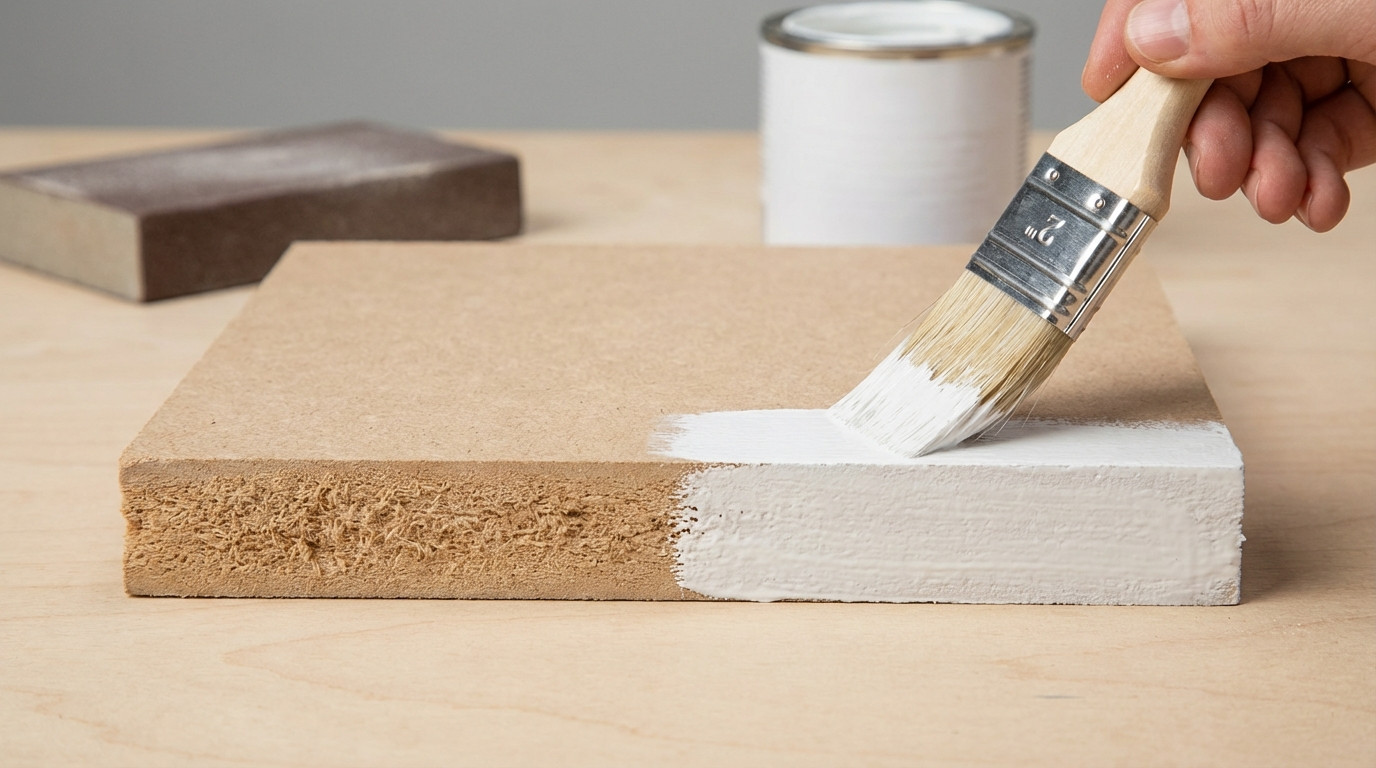
Sand edges to 220-grit, fill voids, prime with oil-based or acrylic sealer twice, sand lightly between coats, then apply enamel topcoat for fuzz-free, swell-proof results.
If you're in a hurry, focus on edge prep: cut MDF with fine blade, sand progressively from 120 to 320 grit, seal edges first with shellac or PVA, prime all surfaces, and paint in a dry room. This prevents 90% of common issues like fuzzing or bubbling in Indian humidity. Total time: 2-3 days with drying. Skip if using pre-laminated boards for speed.
- Choose painting if you need custom colors or matte finishes on budget MDF.
- Avoid if in high-moisture kitchens without HDFWR base or proper sealing—opt for laminates instead.
What This Material/Option Actually Is
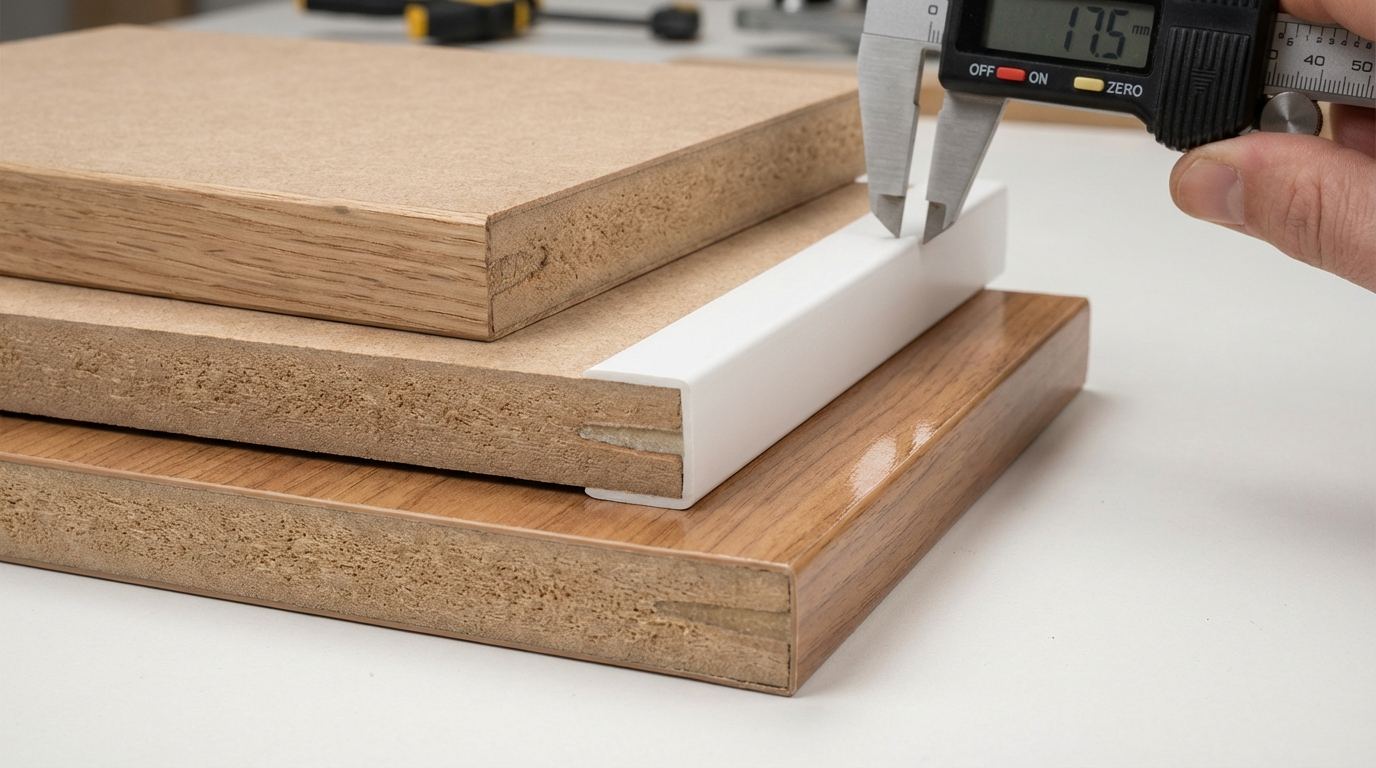
MDF, or Medium Density Fiberboard, is an engineered wood panel made by compressing wood fibers with resins under heat and pressure. It comes in standard, moisture-resistant (MR), or high-density (HDF) variants. Thicknesses typically range from 3mm to 25mm for interiors.
Painting MDF means applying primer and topcoat paints directly to its smooth surface or porous edges. Unlike plywood, MDF has uniform density but absorbs moisture quickly if unsealed, making edge treatment critical. It's common for wardrobes, cabinets, and partitions where custom finishes beat pre-laminated options.
In workflows, painting follows cutting and edge banding, often with CNC routing for shapes. It allows flexibility over factory laminates but demands site-level skill to avoid failures.
Why It Matters in Indian Homes and Sites
Indian climates amplify MDF's vulnerabilities: monsoon humidity above 80% causes swelling, especially on uncoated edges stored in godowns or transported in open trucks. Coastal areas like Mumbai or Chennai add salt-laden air that attacks finishes over time.
On sites, poor ventilation during painting traps moisture, leading to bubbling. Workmanship gaps, like skipping edge sealing, result in fuzzing when sanded wet. Painted MDF shines in dry interiors like bedrooms but fails in kitchens without extra steps.
Practical upside: cost-effective for large TV units or office partitions. Downside: screw-holding weakens if swollen, demanding pilot holes. Proper painting extends life to 8-10 years in moderate conditions.
How to Paint MDF: The Complete Step-by-Step Process
Follow these 8 steps for professional results without fuzz or swell. Work in a dust-free, humidity-below-60% space. Allow full drying between coats—rushed jobs fail in monsoons.
- Cut and Prep: Use a fine-tooth blade (60-80 teeth) on table saw or CNC. Avoid tear-out by scoring lines first.
- Initial Sanding: Sand all surfaces with 120-grit, edges with 180-grit. Wipe with tack cloth.
- Fill Voids: Apply wood filler to edge dents or factory voids. Sand smooth once dry.
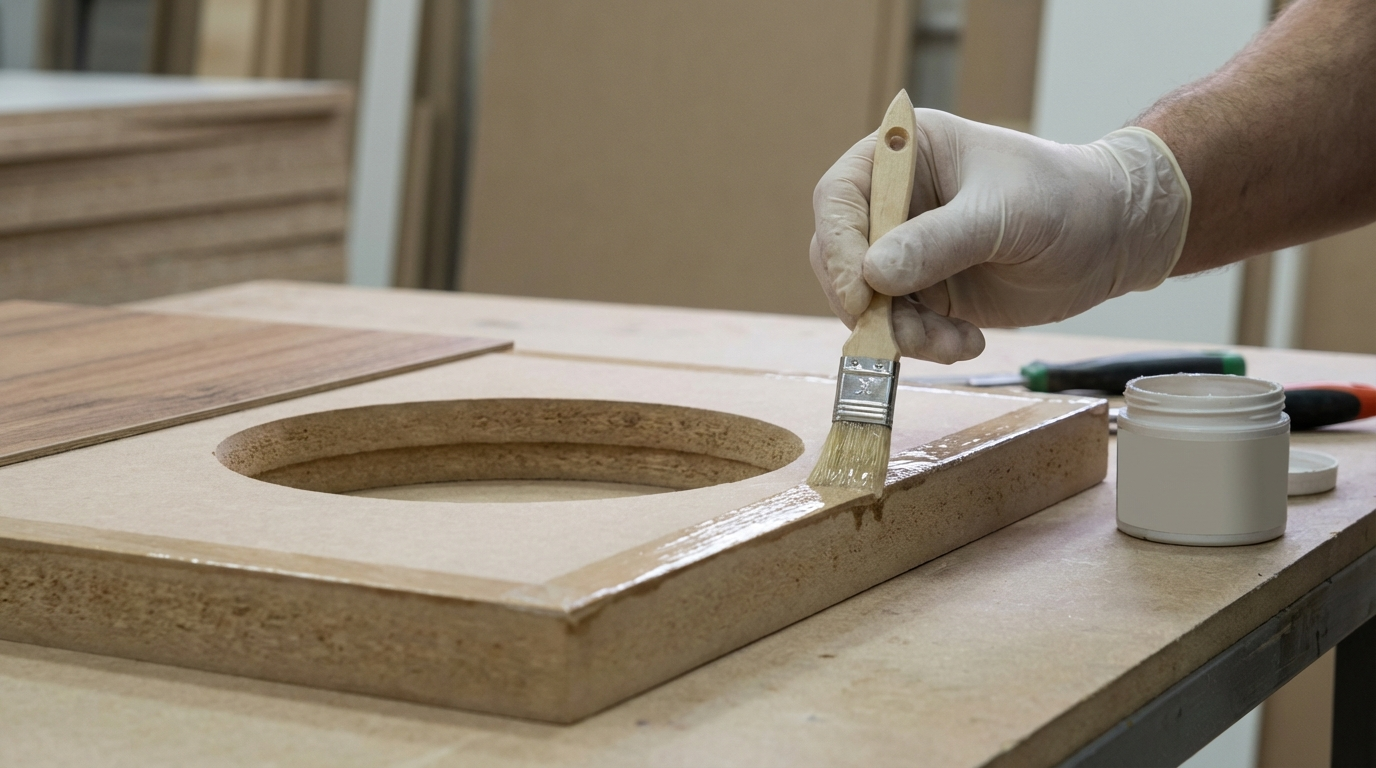
- Edge Sealing: Brush shellac or thin PVA glue on edges only. Dry 1 hour.
- First Primer Coat: Use oil-based or acrylic MDF primer. Apply thin with brush/roller. Edges get extra coat.
- Sand and Second Primer: 220-grit sand lightly. Prime again, dry overnight.
- Final Sand and Topcoat: 320-grit overall. Apply 2-3 enamel or PU topcoats, sanding lightly between.
- Cure and Install: Wait 48 hours before handling. Edge-band post-painting if needed.
Do I Need to Prime MDF Before Painting?
Yes, always prime—unprimed MDF soaks paint like a sponge, causing uneven finish and quick peel in humidity. Primer seals fibers, blocks moisture, and creates a paint-bonding surface. Use MDF-specific formulas with zinc oxide for edge strength.
In coastal India, double-prime edges to counter salt air. Test: dab water on scrap; if it beads, it's sealed. Skip priming only on pre-sealed HDFWR, but even then, one coat boosts durability. Next step: choose primer based on topcoat type—water-based needs acrylic, oil needs alkyd.
What Grit Sandpaper Stops Edge Fuzzing?
Progressive grits: start 120 for rough shaping, 180-220 for priming, 320 for topcoats. Coarser causes fuzz by lifting fibers; finer polishes without raising grain. Wet-sanding edges post-filler prevents dust in monsoons.
India tip: use orbital sanders for flat faces, hand-sand edges to feel smoothness. Trade-off: extra sanding adds 20% time but cuts failures. Check: run finger over edge—no catch means ready. Avoid 400+ grit early; it clogs primers.
Can I Paint MDF in High Humidity?
Possible with precautions, but delay if above 70% RH—paint traps moisture, leading to swell. Use dehumidifiers or fans in site sheds. Opt for quick-dry enamels over latex.
Monsoon reality: acclimate MDF 48 hours in painting area. Seal edges first. If bubbling starts, sand back and re-prime. Pro move: paint in winter for best adhesion. Verify room: tape plastic sheet; heavy condensation means wait.
Primer Checklist: Essential Buys and Why
Don't skimp—wrong primer causes 70% of failures. Focus on sealing power for edges.
| Item | Purpose | Key Check | Qty for 10x10 ft Project |
|---|---|---|---|
| Oil-based MDF primer | Deep penetration, moisture block | Thick consistency, low VOC | 1 liter |
| Acrylic sealer (PVA/shellac) | Edge barrier | Dries clear, fast | 500ml |
| Wood filler (water-resistant) | Void repair | Sands smooth, paintable | 1kg |
| Enamel topcoat paint | Durability, gloss control | Anti-fungal additive | 2 liters |
| Sandpaper assortment (120-320 grit) | Surface prep | Flexible sheets | 20 sheets |
Cost drivers: liter sizes vary by city (metros 10-20% higher). Buy extras for edges.
Failure Modes and Fixes
Painted MDF fails predictably—know symptoms to prevent site callbacks.
| Failure | Symptom | Root Cause | Prevention | Fix If Happening |
|---|---|---|---|---|
| Edge Fuzzing | Fibrous raised edges | Coarse sanding or moisture | Progressive grits + dry sanding | Re-sand 220-grit, re-prime |
| Swelling/Bulging | Wavy surfaces | Humidity during cure | Acclimate + fans | Cut out, replace panel |
| Peeling Paint | Flaking layers | No primer or oil topcoat | Double prime | Sand to bare, repaint |
| Bubbling/Blisters | Bumps under paint | Trapped moisture | Edge seal first | Puncture, sand, recoat |
| Poor Screw Hold | Loose hinges | Swollen fibers | Pilot holes + anchors | Epoxy fill, redrill |
| Yellowing | Color shift | UV or tannin bleed | UV-resistant enamel | Topcoat over |
How Do I Fix Fuzzed MDF Edges After Sanding?
Lightly mist edges with water, let raise fibers, then sand 320-grit dry. Repeat twice. This "raises the grain" safely. In humid godowns, store vertically.
Prevention beats fix: use HDF for edges. Check progress: edge should feel like glass. Next: immediate PVA seal. Avoids 80% rework in carpenter shops.
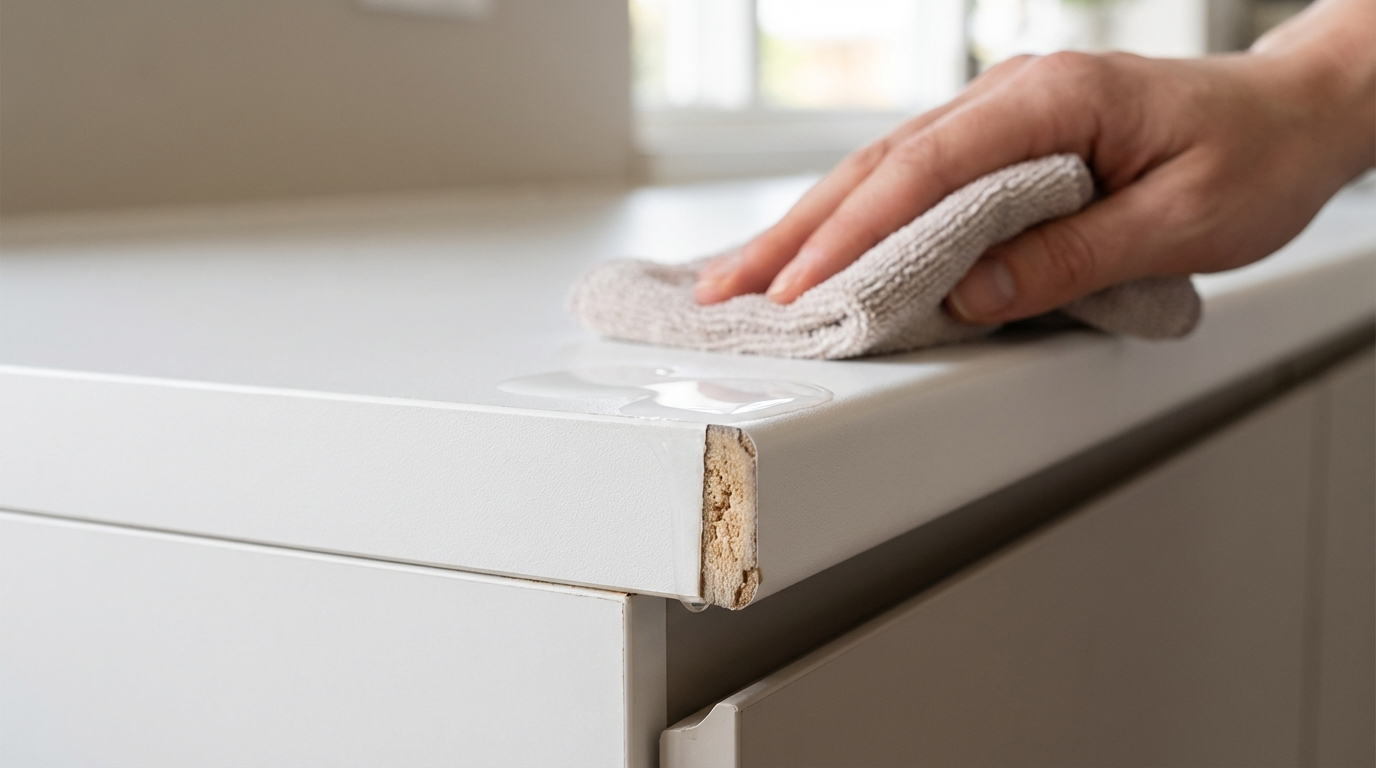
Why Does Painted MDF Swell in Kitchens?
Steam and spills penetrate unsealed pores, expanding fibers up to 10%. Edges swell first due to exposure.
Coastal fix: use MR MDF + silicone sealant on joints. Wipe spills instantly. Test: soak scrap edge 30 min; minimal change means good. Upgrade to HDFWR for wet zones.
Decision Framework Table
Use this to match conditions to choices—India-site optimized.
| Site Condition | Recommended Primer/Paint | Edge Treatment | Verify Before Buy |
|---|---|---|---|
| Monsoon humidity >70% | Oil-based primer + PU enamel | Double shellac + filler | Water bead test on sample |
| Coastal/salty air | Acrylic with anti-fungal + satin enamel | PVA + edge band | Density >750 kg/m3 stamp |
| Heavy use (kids/office) | High-build primer + semi-gloss | Extra sanding + sealant | Scratch test on face |
| Tight budget | Water-based acrylic + latex | Single PVA coat | Compare density/thickness |
| Fast project (CNC shop) | Quick-dry spray primer + enamel | Factory edge seal | Dry time on label |
| Wet zone (kitchen sink) | Zinc-rich primer + epoxy top | Full edge banding | MR grade confirmation |
Common Buyer and Carpenter Mistakes (And Avoids)
- Skipping Edge Sealing: Leads to fuzz. Always seal first—takes 10 min.
- Wrong Sandpaper: 80-grit rips fibers. Start 120-grit only.
- Painting Wet MDF: Swells instantly. Acclimate 2 days.
- Thin Primer Coats: Porous undercoat fails. Build 2-3 mils thick.
- No Between-Coat Sanding: Rough finish. 220-grit lightly always.
- High-Humidity Painting: Bubbles form. Use hygrometer, wait <60% RH.
- Water-Based on Edges: Lifts in monsoons. Oil-based for cut edges.
- Rushing Cure Time: Soft finish chips. 48 hours minimum.
- Forgetting Fillers: Voids telegraph through paint. Spot-fill all.
Quality Checks You Can Do Without Lab Tests
Before buying: tap panel—solid thud means good density. Check edges for chipping. Ask for MR stamp if humid area.
After cutting: sand edge; smooth in 2 passes? Good. Water test: no darkening after 5 min.
Post-painting: flex panel—no cracking. Scratch test with key: no gouge. Install check: gaps <1mm, sealed joints.
Site reality: store flat, elevated from floors. Reject warped sheets.
Is My MDF Ready for Priming?
Cut pieces should have dust-free surfaces, edges filled/sanded glassy smooth. No visible fibers or voids. Weight per sq ft feels uniform—heavier means denser.
Humidity check: room dry, panels acclimated. If edges feel "fuzzy," re-sand. Pro tip: vacuum all dust. Proceed only if tack cloth wipes clean. Prevents adhesion fails in 90% cases.
Tips by User Type
Homeowners: Durability Do's and Don'ts
Do: Wipe with microfiber damp cloth only, avoid abrasives. Use coasters on shelves. Ventilate kitchens.
Don't: Soak-clean or hang wet wipes. Expose to direct steam. Move without padding—chips easily.
Longevity: 5-7 years with care in bedrooms.
Carpenters: Workflow Hacks
Cut all pieces first, batch-sand. Use spray primer for speed on flats. Pilot-drill hinges 1mm smaller. Edge-band painted edges for abuse zones.
Monsoon hack: plastic-sheet godown. QC: weigh panels post-paint for even coats.
Architects/Designers: Spec Right
Specify 18mm MR MDF, double-prime edges, PU topcoat for kitchens. Detail silicone joints. Call out acclimation in drawings.
Trade-off: painting for curves vs laminate flatness.
OEM/Modular Makers: Scale QC
Standardize grit progression, automated spray lines. Reject if swell >2% in humidity chamber sim. Track complaints: edge issues top list—extra seal fixes.
FAQs
How long does painted MDF last in Indian homes?
Typically 5-10 years depending on location and care. Dry bedrooms see longer life; kitchens with steam shorten it to 4-6 without sealing. Coastal humidity accelerates yellowing unless using UV enamels. Key: proper priming blocks 80% moisture ingress. Regular dusting prevents grit scratches. In practice, site workmanship dictates—rushed jobs fail early.
Can I use water-based paint on MDF?
Yes, but only over acrylic primer—direct application raises fibers. Good for low-VOC needs in kids' rooms. Dries faster (2 hours/coat) but less durable than oil in monsoons. Edges demand extra PVA first. Test on scrap: even sheen after 24 hours means success. Avoid in wet zones; opt enamel.
What's the best primer for MDF edges?
Oil-based or shellac-based sealers penetrate deepest, preventing fuzz. Apply neat on edges, thinned on faces. Dries in 1 hour, sandable. In humid India, two coats standard. Filler first for voids. Alternative: PVA diluted 1:1 for quick jobs. Check: no darkening when wet-tested post-prime.
Does MDF need edge banding before painting?
Not always—paint seals if done right, saving banding cost. But band post-painting for high-wear like drawers. CNC edges fuzz less, no band needed. Trade-off: banded thicker profile vs painted flush. In kitchens, band always for spill protection.
How to paint curved MDF pieces?
CNC-route curves first, sand progressively. Use foam rollers for even primer on contours. Spray for pros. Dry vertically to avoid sags. Monsoon tip: heat lamp cure. Filler sands easier on curves—spot apply. Result: smooth cabinets without brush marks.
Can painted MDF go in bathrooms?
With caveats: use HDFWR base, epoxy topcoat, silicone seal joints. Avoid direct shower splash. Ventilation fan essential. Swells less than standard MDF but monitor humidity. Alternative: PVC for full wet. Lasts 3-5 years if sealed well.
What if paint bubbles after drying?
Trapped moisture or thick coat. Puncture bubbles, sand to primer, recoat thinner. Prevention: thin coats, good ventilation. India site common from godown damp. Dry panels fully next time. If widespread, replace panel—moisture penetrated core.
Is sanding between primer coats necessary?
Essential for adhesion—removes nibs, opens pores. 220-grit lightly, no deeper. Skips cause peeling. Takes 5 min/sheet but prevents rework. After topcoats too for gloss. Orbital tool speeds batches. Check: uniform dull sheen ready for next.
How much primer do I need for a wardrobe?
For 20 sqm surfaces (10x8 ft wardrobe): 1-1.5 liters primer + 2 liters paint. Edges double usage. Varies by absorbency—MR needs less. Factor 20% wastage. Buy samples first. City prices: metros higher due logistics.
Can I paint over old laminate on MDF?
Yes, after scuff-sanding glossy surface 150-grit, degrease with TSP. Prime well—laminate repels otherwise. Good for revamps. Edges still need sealing. Dries similar time. Test adhesion: tape pull after 24 hours.
Disclaimer: This content is provided for general informational purposes based on industry practices and publicly available information. Product specifications, standards, prices, and availability may vary by manufacturer, region, and time. Readers should independently verify details with manufacturers, dealers, or qualified professionals before making purchase or construction decisions.Want Plywood Suggestions?
Share a few details and a VIR MDF specialist will suggest suitable brands and connect you to responsive dealers.