MDF Cleaning & Maintenance: What to Do (and What Not to Do) for Long Life
Keep MDF furniture looking new with safe cleaning methods, spill-response steps, and maintenance tips that prevent swelling and edge damage.
Quick Decision Summary
Use a dry microfiber cloth for weekly dusting and a diluted mild soap solution for spot cleaning, always drying immediately to prevent moisture damage.
If you’re in a hurry: Prioritize dryness above all—MDF swells from water exposure, a common issue in humid Indian homes. Dust gently without sprays, blot spills instantly without rubbing, and avoid harsh chemicals or abrasives that chip laminated surfaces. In monsoon season, increase checks for edge moisture. This routine extends life by 3–5 years in typical coastal or urban setups, focusing on prevention over deep cleans.
- Choose this if your MDF has laminate or melamine finish in moderate-use areas like TV units or wardrobes.
- Avoid excess water or steam if in kitchens or high-humidity zones like Mumbai balconies.
What This Material/Option Actually Is
MDF, or medium-density fiberboard, is an engineered wood panel made from wood fibers bonded with resins under heat and pressure. It comes plain or with finishes like lamination, melamine, PVC foil, or paint, used widely for furniture shutters, cabinets, and partitions. Maintenance here targets these surfaces, as the core absorbs moisture easily if exposed, leading to swelling.
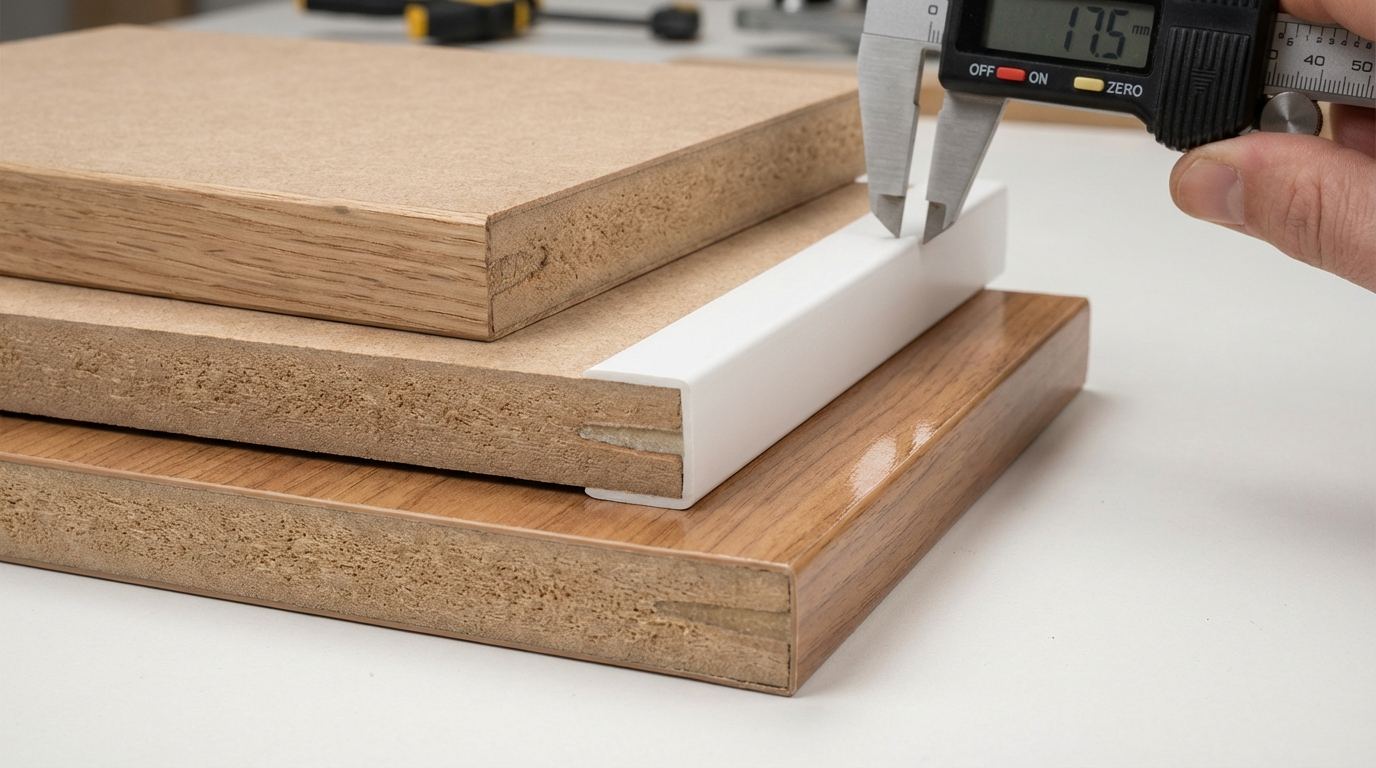
In India, most MDF is E1/E0 grade for interiors, often 18mm thick for strength. Laminated versions have a protective overlay, while pre-laminated boards suit modular workflows. Cleaning differs by surface: smooth laminates handle light wipes, but raw edges or painted MDF need extra care to avoid delamination.
Key point: Maintenance is surface-focused, but edges and screw zones remain vulnerable, especially post-CNC routing without proper sealing.
Why It Matters in Indian Homes and Sites
Indian climates amplify MDF risks—monsoon humidity above 80% causes edge swelling if not dried promptly, while coastal salt air etches finishes over time. Urban sites with poor ventilation trap cooking oils or dust, dulling melamine in kitchens. During transport or storage, uncovered stacks absorb rain, warping panels before installation.
Practical fallout: Swollen edges fail screw holds in wardrobes, delaminated laminates peel in humid bedrooms, and scratched surfaces harbor dirt in high-traffic TV units. Proper cleaning prevents 70–80% of these in typical projects, saving rework costs. Workmanship realities like rushed edge banding leave weak spots that maintenance exposes.
How to Clean MDF Safely in 5 Steps
- Dust first: Use a soft microfiber cloth or vacuum with brush attachment weekly. Removes 90% of dirt without moisture.
- Spot test solution: Mix 1 tsp mild dish soap in 1 liter lukewarm water. Test on hidden edge; wait 10 minutes for reactions.
- Wipe gently: Dampen cloth (not dripping), wipe in straight lines, no circles to avoid swirl marks on laminates.
- Blot dry immediately: Use dry cloth to absorb all moisture within 30 seconds, especially edges.
- Air dry upright: Ensure good ventilation; avoid direct sun to prevent finish fading.
This process suits Indian homes, preventing monsoon-induced swelling. Common failure: Skipping dry step leads to core expansion by morning.
Can I use water directly on MDF furniture?
No, never soak or use running water—MDF core swells irreversibly above 15% moisture. Direct answer: Limit to wrung-out cloths. In humid areas like Kerala homes, excess water pools in joints, causing delamination within days. Nuance: Laminate holds brief exposure better than painted MDF. Check by pressing edge post-wipe; if soft, dry longer next time. Next step: Switch to compressed air cans for crevices in coastal dusty sites.
Is vinegar safe for cleaning laminated MDF?
Use diluted vinegar (1:10 with water) sparingly for grease, but rinse and dry fully. Direct: Safe for melamine in kitchens if not acidic buildup erodes resin. In Indian cooking zones with oil splatters, it cuts grime without residue. Trade-off: Strong vinegar dulls gloss over months. Verify by testing small area; if haze forms, stick to soap. Follow with polish-free wax for protection in high-use wardrobes.
Daily Cleaning Do's and Don'ts
| Do's | Don'ts |
|---|---|
| Microfiber dusting weekly | Household sprays or polishes |
| Blot spills dry first | Rubbing wet stains |
| Mild soap dilution | Bleach, ammonia, or acids |
| Straight-line wiping | Circular motions on laminates |
| Edge sealing checks monthly | Steam cleaners or hot water |
This table covers 80% of routines. In monsoon, add silica packs near storage. Don'ts prevent micro-abrasions that trap Indian red soil dust.
Spill Response: Immediate Steps to Prevent Damage
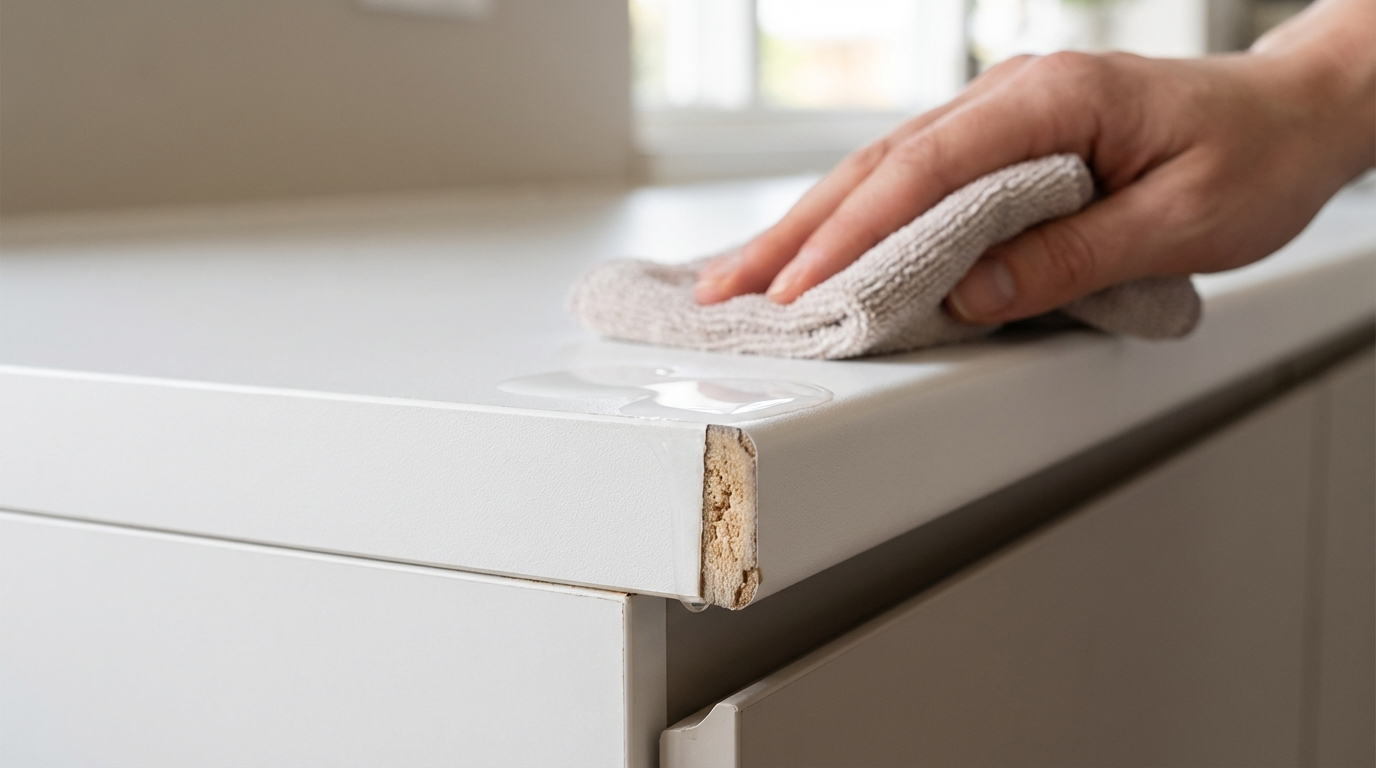
Act in 60 seconds: Blot with dry towel corner-to-corner, no spreading. Follow with damp mild soap wipe, then dry thoroughly. For oils (common in Indian kitchens), sprinkle talcum powder to absorb, vacuum after 10 minutes.
In coastal areas, salt-water spills corrode faster—rinse with fresh water dilution only if laminated, then dry fan-assisted. Failure mode: Delayed response swells edges 2–3mm overnight.
What to do if tea or coffee spills on MDF?
Blot instantly with paper towel, then mild soap wipe and dry. Direct: Tannins stain laminates if left wet. In humid homes, dry 2x longer to avoid rings. Nuance: Dark stains on light finishes need baking soda paste (dry apply, brush off). Check by rubbing finger; residue means repeat dry wipe. Prevent by coasters in bedrooms or tea zones.
How often should I deep clean MDF wardrobes?
Quarterly, vacuum interiors then wipe exteriors. Direct: Over-deep cleaning wears finish. In dusty Delhi sites, monthly interiors suffice. Conditions: High-use needs enzyme cleaners for odors, but test first. Next step: Empty wardrobe, check hinges for tightness post-clean to maintain alignment.
Common Maintenance Mistakes to Avoid
- Water pooling: Leaves edges swollen; always tilt during wipe.
- Abrasive pads: Scratches laminate; use soft cloths only.
- Chemical overuse: Strips protective layer; dilute everything.
- Heat exposure: Warps near stoves; maintain 50cm gap.
- Poor storage: Stacks flat in monsoon; elevate and cover.
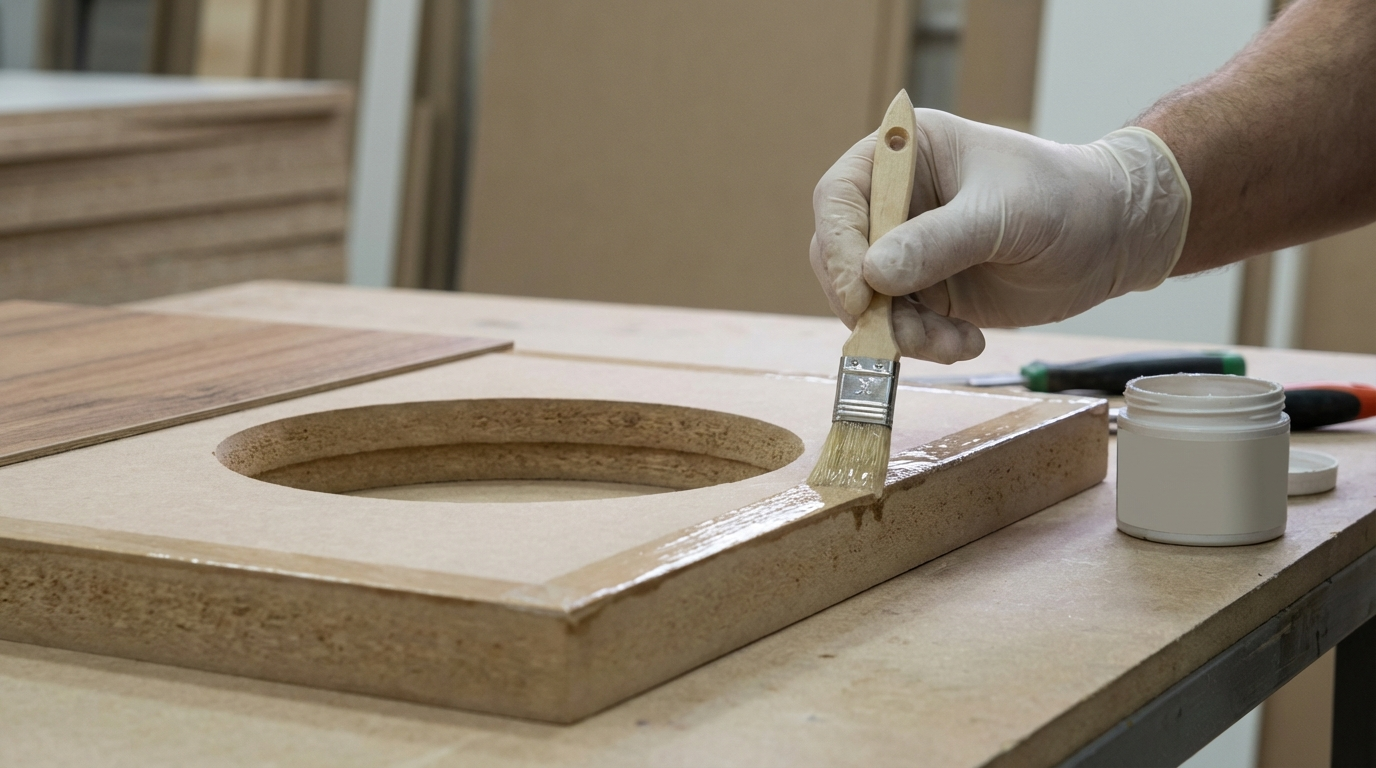
- Ignoring edges: Unsealed after cutting peels; tape or seal monthly.
- Over-polishing: Builds residue attracting dust; limit to wax yearly.
- Forgetting ventilation: Traps humidity; open doors weekly in humid zones.
- Rough handling: Chips corners; lift from base in carpenter workflows.
- Skipping tests: Ruins whole panel; hidden spot first always.
These plague 60% of Indian projects; avoiding halves complaints.
Failure Modes and Fixes
- Symptom: Edge swelling. Cause: Moisture ingress post-spill. Prevent: Dry wipes only. Fix: Sand lightly, re-seal with edge band if minor.
- Symptom: Laminate bubbling. Cause: Heat/humidity combo. Prevent: No direct sun. Fix: Flatten under weight, professional re-lam if severe.
- Symptom: Surface scratches. Cause: Abrasive cleaning. Prevent: Microfiber rule. Fix: Toothpaste rub gently, then wax.
- Symptom: Screw loosening. Cause: Swelled core. Prevent: Seal holes pre-install. Fix: Larger screws or fillers.
- Symptom: Finish dulling. Cause: Chemical residue. Prevent: Rinse soap fully. Fix: Mild polish sparingly.
- Symptom: Delamination peeling. Cause: Water at joints. Prevent: Caulk gaps. Fix: Glue and clamp if small area.
In monsoon-heavy areas, edges fail first—inspect monthly.
Why does MDF swell and how to stop it?
MDF fibers expand with moisture absorption. Direct: Dry immediately post-exposure. Nuance: Thicker boards (18mm+) resist better, but edges vulnerable post-routing. In coastal Gujarat, use moisture-resistant variants. Check: Tap edge; hollow sound means swelling. Step: Improve room humidity below 60% with dehumidifiers.
Can scratches on MDF be repaired at home?
Yes, light ones with fine sandpaper and matching filler. Direct: Buff with cloth for minor. Conditions: Laminates harder than paint; deep needs pro. India tip: Match color with wax sticks for wardrobes. Verify: Rub fingernail; catches mean sand 400-grit. Follow with sealant.
Decision Framework for MDF Maintenance
| Condition | Recommended Approach | What to Verify |
|---|---|---|
| Wet zone (kitchen sink) | Microfiber + enzyme cleaner, seal edges extra | No water penetration after 5-min test wipe |
| Coastal humidity | Weekly dehumidify + silica packs | Edges firm, no softness |
| Heavy use (kids' room) | Matte finishes, extra wax quarterly | Scratch resistance via coin test |
| Tight budget | Soap dilution only, no extras | Clean without residue buildup |
| Fast modular install | Pre-seal edges, quick dry routine | Joint gaps <1mm post-clean |
| High scratch risk | Thick laminate (0.8mm+), no abrasives | Surface holds fingernail drag |
This guides choices; adapt for site realities like poor AC.
Quality Checks You Can Do Without Lab Tests
Before buying: Press edges for firmness, sniff for chemical off-gassing, check laminate adhesion by fingernail pry.
After cutting: Edges smooth, no fiber breakout; tape test for dust adherence.
After installation: Wipe test on joint— no ink bleed; tap for hollows indicating gaps.
India tip: In humid godowns, verify storage elevation.
Tips by User Persona
Homeowners: Durability Focus
Dust weekly, use coasters everywhere, check edges monthly. Avoid stacking wet items; in monsoons, fan-dry post-clean. List: Do place in ventilated spots; don't use furniture polish.
Carpenters: Workflow Handling
Clean tools before MDF contact, seal cut edges same day, fasten in dry zones first. Hinge areas: Wipe pre-install. Avoid: Dragging panels on site floors.
Architects/Designers: Spec Detailing
Specify matte laminates for kitchens, edge bands mandatory, note humidity precautions in drawings. Detail joints with caulk. Verify: Client handover cleaning demo.
OEM/Modular Makers: QC Repeatability
QC checkpoint: Post-lam wipe test on 10% batch. Reduce returns by pre-sealed edges, humidity-controlled packing. Track complaints: 80% moisture-related.
How to maintain MDF in monsoon season?
Increase drying time 2x, use dehumidifiers near units. Direct: Elevate off floors, silica in cabinets. Nuance: Coastal needs salt-resistant sealants. Check: Hygrometer under 65%. Step: Weekly vacuum to remove trapped moisture.
FAQs
Can I use a vacuum cleaner on MDF?
Yes, with soft brush attachment to avoid scratches. Vacuum crevices weekly, especially wardrobe shelves collecting dust in Indian homes. Avoid bare nozzles that snag laminates. In dusty areas like Rajasthan, this prevents buildup leading to abrasive wear during wipes. Follow vacuum with light dust cloth for shine, ensuring no static attracts more particles. This keeps surfaces pristine without moisture risk.
Is it okay to use furniture polish on MDF?
Occasionally, but choose silicone-free versions sparingly. Polishes build residue in humid conditions, trapping dirt. Opt for wax-based yearly on low-use units. Test first: Overuse dulls melamine in kitchens. In urban apartments, limit to exteriors; interiors need dry methods to avoid slipperiness on floors nearby.
What causes white marks on laminated MDF?
Usually water rings from condensation or spills. Blot immediately next time; existing marks fade with mayonnaise rub (oil penetrates), then dry polish. Prevent with mats in tea-heavy households. Coastal humidity worsens this—ensure AC dries air. Check monthly for recurrence indicating poor sealing.
How do I clean grease from MDF kitchen cabinets?
Baking soda paste or diluted degreaser, wiped dry. Apply paste, let sit 5 minutes, gentle scrub with soft cloth. Rinse soap trace-free. Indian masalas leave oily films; this cuts without damage. For heavy buildup, repeat but avoid soaking. Dry fully to prevent swelling in steamy kitchens.
Does sunlight damage MDF finishes?
Yes, UV fades colors over 6–12 months. Use curtains or relocate from windows. Matte finishes resist better than gloss. In sunny Indian balconies, add UV film if fixed. Check: Color shift test by comparing shaded vs exposed areas. Maintenance: Rotate items quarterly for even wear.
Can MDF be steam cleaned?
No, steam penetrates core causing warp. Stick to damp cloths max. High heat delaminates overlays quickly. In humid post-monsoon cleans, air dry suffices. Alternatives: Enzyme sprays for odors, fully evaporated. Verify post-attempt: Tap for changes in sound solidity.
How to fix minor chips on MDF edges?
Fill with wood filler matching color, sand smooth, seal. Dry 24 hours before paint. Common after bumps in kids' rooms. Prevent with corner guards. For laminated, match edge tape. In modular setups, stock fillers for QC fixes, reducing site returns significantly.
Should I oil MDF for protection?
No, oils soak into core unevenly, attracting dust. Use sealant sprays on raw edges only, sparingly. Laminates self-protect. In dry interiors, unnecessary; wet zones need resin-based. Test absorption: If darkens, wrong product. Better: Regular dry cleans maintain barrier.
What’s the best cloth for MDF cleaning?
Microfiber—traps dust electrostatically without lint. Wash separately to avoid grit. In red-soil areas, rinse often. Avoid cotton that leaves fibers. Double-sided for dry/wet sides speeds routine. Reuse 20–30 times with proper care, economical for households.
Disclaimer: This content is provided for general informational purposes based on industry practices and publicly available information. Product specifications, standards, prices, and availability may vary by manufacturer, region, and time. Readers should independently verify details with manufacturers, dealers, or qualified professionals before making purchase or construction decisions.Want Plywood Suggestions?
Share a few details and a VIR MDF specialist will suggest suitable brands and connect you to responsive dealers.