MDF Board Painting Guide: How to Paint MDF Like a Pro
Learn MDF board painting techniques: best paints, primers, step-by-step process. Get professional finish on VIR MDF boards. Free checklist included.
Quick Decision Summary
Quick Answer: MDF board painting requires a specific three-step process—seal, prime, and paint—to achieve a professional finish. Unlike solid wood, MDF's porous surface absorbs paint unevenly, especially at cut edges, making proper preparation essential for durable results in Indian climate conditions.
If you're in a hurry: Always use an MDF-specific primer or shellac-based primer before painting. Apply two coats of primer on flat surfaces and three coats on edges. Use acrylic enamel or oil-based paint for the topcoat, and never skip sanding between coats. In humid Indian conditions, allow 4-6 hours drying time between coats instead of the standard 2-4 hours mentioned on paint cans.
Choose this approach if:
- You want a smooth, factory-like finish on MDF furniture or panels
- You're painting kitchen shutters, wardrobes, TV units, or wall panelling
- You need a durable finish that withstands Indian humidity and monsoon conditions
- You want to avoid the common problem of fuzzy, rough surfaces after painting
Avoid painting MDF if:
- The board will be in direct contact with water (use HDFWR or BWR boards instead)
- You're not willing to invest time in proper priming
- The MDF has already swollen due to moisture exposure
- You're working in an area with active water leakage
What MDF Board Painting Actually Means
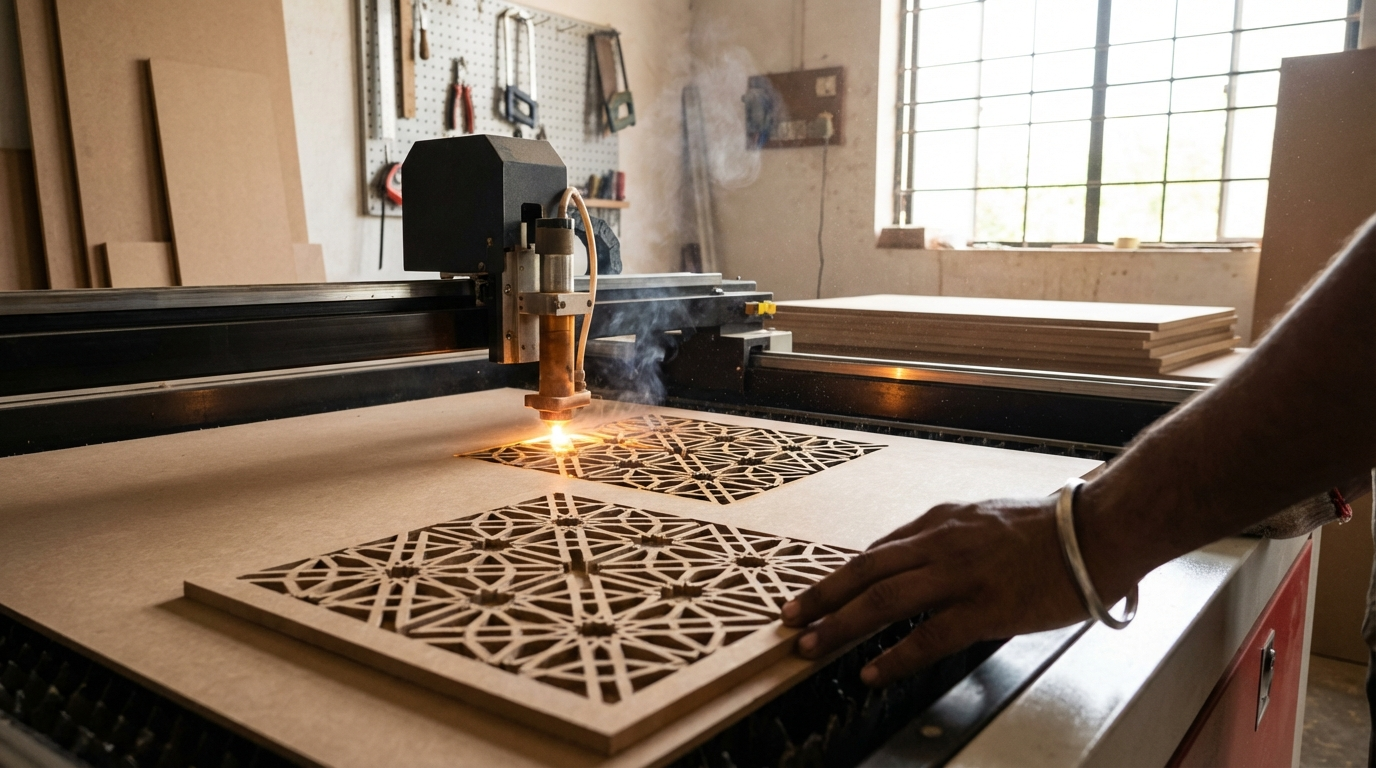
MDF board painting refers to the complete surface finishing process applied to Medium Density Fibreboard to achieve a smooth, durable, and aesthetically pleasing colour coat. This process involves sealing the porous MDF surface, applying specialized primers, and finishing with appropriate topcoat paints.
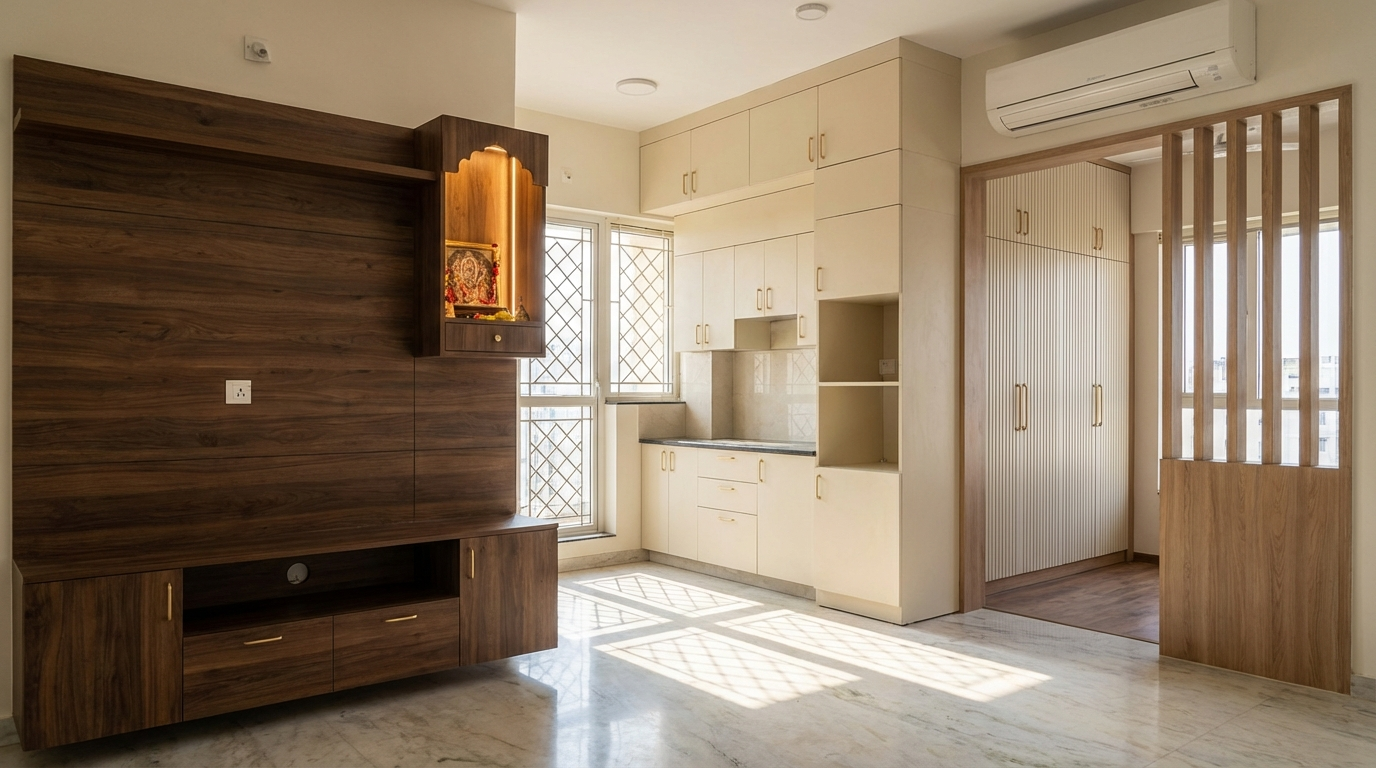
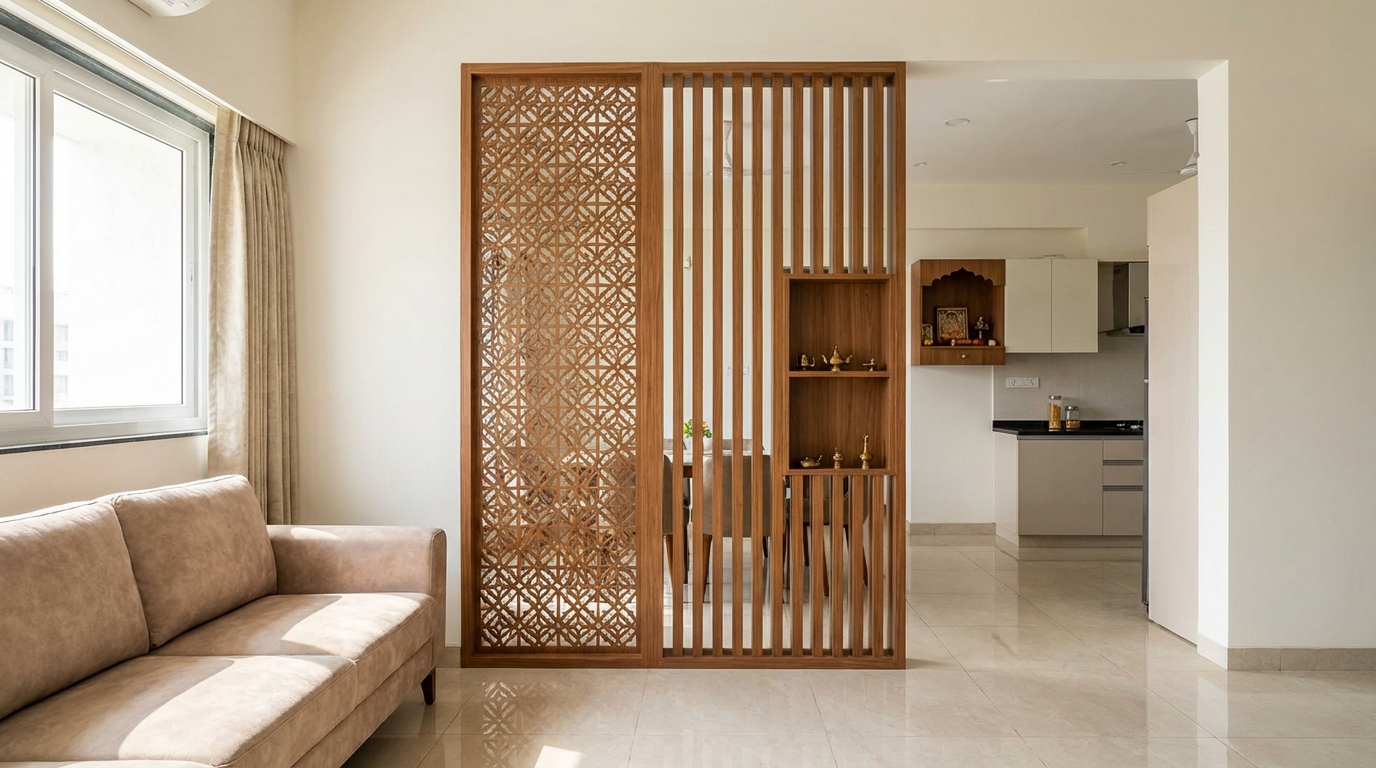
Where it fits in the material hierarchy: MDF sits between particle board (lower quality) and solid wood or plywood (higher cost) in the engineered wood spectrum. When properly painted, MDF can achieve a finish quality that rivals or exceeds lacquered solid wood—at a fraction of the cost. This makes painted MDF the preferred choice for modular furniture, wall panels, and decorative elements across Indian homes.
Common confusions clarified:
- MDF painting vs. laminated MDF: Pre-laminated MDF already has a decorative surface and doesn't need painting. Raw MDF requires the full painting process
- MDF painting vs. wood painting: Wood has natural grain that absorbs paint differently. MDF's uniform density means more even absorption—but edges are extremely porous
- Primer vs. sealer: Many assume these are the same. MDF sealer blocks moisture and reduces absorption; primer creates adhesion for paint. Both functions are essential
- Any primer will work: Regular wood primers don't seal MDF fibres adequately. Only MDF-specific or shellac-based primers prevent the fuzzy surface problem
Why MDF Painting Matters for Indian Homes
Indian homes face unique challenges that make proper MDF painting technique critical for long-term durability. Understanding these factors prevents costly failures and repairs.
Monsoon and Humidity Impact
During June-September monsoon season, relative humidity in coastal and eastern India regularly exceeds 80-90%. Even in northern India, humidity spikes significantly. Improperly sealed MDF absorbs this atmospheric moisture, causing:
- Edge swelling of 2-5mm in extreme cases
- Surface bubbling and paint peeling
- Warping of doors and shutters
- Delamination at joints
Coastal Conditions
Cities like Mumbai, Chennai, Kolkata, and Kochi face salt-laden air that accelerates paint degradation. Standard paint systems fail within 2-3 years without proper moisture barriers. Painted MDF in coastal homes requires additional protective clear coats.
Real Consequences of Poor Painting
- Swelling at edges: Causes doors to jam, drawers to stick, and joints to separate
- Paint flaking: Creates unsightly surfaces requiring complete re-finishing
- Screw failure: Moisture-weakened MDF loses grip on hinges and hardware
- Mould growth: Unpainted or poorly painted MDF in humid areas develops fungal colonies
Site Handling Realities in India
MDF boards stored at construction sites often sit exposed to dust, humidity, and temperature fluctuations for weeks. Boards delivered in monsoon months may already have absorbed moisture before reaching the carpenter's workshop. Always check boards for edge swelling before starting the painting process.
Types of Paints and Primers for MDF
Selecting the right combination of sealer, primer, and topcoat paint determines the final finish quality and durability of your MDF project.
| Product Type | Best Use Case | Drying Time | Advantages | Limitations |
|---|---|---|---|---|
| Shellac-Based Primer | Maximum sealing, humid areas | 15-30 minutes | Excellent moisture block, prevents bleed-through | Strong odour, requires ventilation |
| Oil-Based MDF Primer | All-purpose, professional finish | 4-8 hours | Superior adhesion, smooth finish | Longer drying time, cleanup needs thinner |
| Water-Based MDF Primer | Low-odour applications, interiors | 1-2 hours | Easy cleanup, low VOC | May raise fibres, needs multiple coats |
| Acrylic Enamel Paint | Furniture, cabinets, shutters | 2-4 hours | Durable, good colour retention | Requires proper priming base |
| Oil-Based Enamel Paint | High-durability applications | 8-24 hours | Extremely hard finish, excellent flow | Yellows over time on white shades |
| PU (Polyurethane) Clear Coat | Protective topcoat | 4-6 hours | Maximum durability, moisture resistance | Higher cost, professional application preferred |
Primer Selection for Indian Conditions
For humid/coastal areas: Shellac-based primer provides the best moisture barrier. Apply two coats minimum with light sanding between coats.
For general indoor use: Oil-based MDF primer offers the best balance of sealing and adhesion. Widely available from brands across India.
For quick-turnaround projects: Water-based primer dries fastest but requires three coats instead of two for adequate sealing.
Topcoat Paint Selection
Satin finish (most recommended): Hides minor imperfections, easy to clean, doesn't show fingerprints. Ideal for wardrobe shutters, TV units, and wall panels.
Semi-gloss finish: More reflective, extremely wipeable, shows imperfections more readily. Good for kitchen cabinets where cleaning is frequent.
Gloss finish: Maximum durability and cleanability but shows every surface flaw. Requires perfect surface preparation.
Step-by-Step MDF Painting Process
Follow this detailed process for professional-quality results on MDF boards. Each step is critical—skipping any stage compromises the final finish.
Step 1: Surface Inspection and Cleaning
What to check:
- Run your hand across the surface—it should feel uniformly smooth
- Check all edges for swelling, separation, or rough patches
- Look for factory defects like dents, scratches, or indentations
- Verify the board is dry (no dark patches indicating moisture absorption)
Cleaning process:
- Wipe the entire surface with a clean, slightly damp cloth
- Remove all dust, dirt, and debris
- Allow the surface to dry completely (minimum 30 minutes in humid conditions)
- Use a tack cloth for final dust removal just before priming
Step 2: Fill Imperfections
MDF surfaces may have small dents, screw holes, or edge damage that need filling before painting.
Recommended fillers:
- Acrylic wood filler for small holes and dents
- Polymer-based filler for edge repairs (more moisture resistant)
- Avoid using drywall compound—it lacks the strength needed for MDF
Application method:
- Press filler firmly into holes and cracks
- Slightly overfill to allow for shrinkage
- Allow complete curing as per product instructions (typically 2-4 hours)
- Sand flush with 180-grit sandpaper once fully hardened
Step 3: Initial Sanding
Light sanding creates mechanical adhesion for the primer.
Sandpaper progression:
- Start with 120-150 grit for any rough areas or filler spots
- Finish with 180-220 grit for overall surface smoothing
- Always sand in one direction, following the length of the board
- Pay special attention to edges—they need thorough sanding
Critical warning: Do not over-sand raw MDF. Excessive sanding on unprimmed MDF damages the surface fibres and creates more porosity, leading to worse paint absorption.
Step 4: Edge Sealing
MDF edges are 3-5 times more absorbent than flat surfaces. This is the most critical step for preventing moisture damage.
Edge sealing options:
- Apply undiluted shellac primer directly to all cut edges
- Use specialized MDF edge sealer if available
- Apply PVA-based wood sealer as a budget alternative
Application:
- Apply first coat of sealer to all edges
- Wait 30 minutes for initial absorption
- Apply second coat
- Allow full drying before proceeding (minimum 2 hours)
- Light sand with 220-grit if edges feel rough
Step 5: Primer Application
Proper priming transforms porous MDF into a paintable surface.
First primer coat:
- Stir primer thoroughly before use
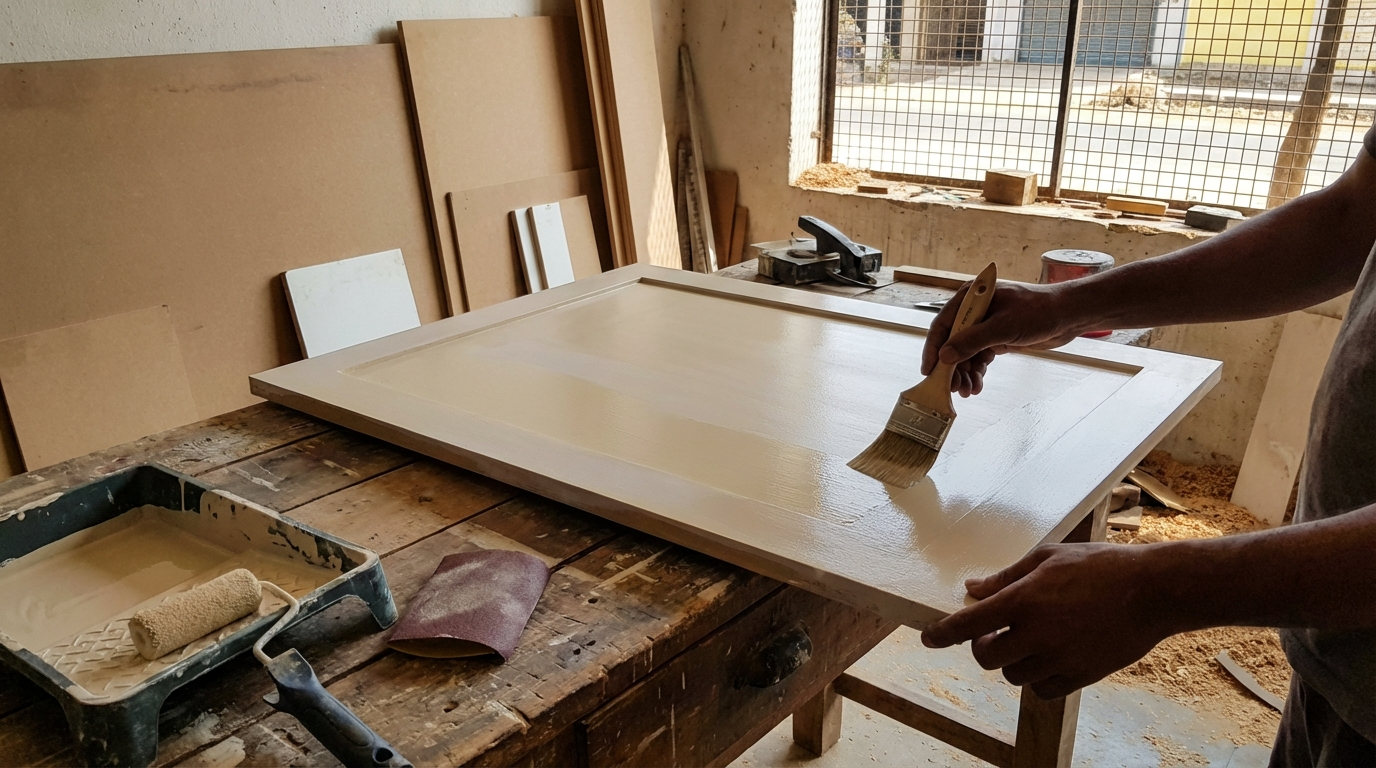
- Apply thin, even coat using foam roller for flat surfaces
- Use a brush for edges and detailed areas
- Work in one direction to minimize brush marks
- Avoid heavy application—thin coats are essential
Drying and sanding:
- Allow primer to dry completely (check product instructions)
- In humid Indian conditions, add 50% extra drying time
- Sand lightly with 220-grit sandpaper
- Remove all dust with tack cloth
Second primer coat:
- Apply second coat following same technique
- This coat builds the sealed foundation for paint
- Sand lightly after drying with 320-grit for ultra-smooth finish
- Clean dust completely before painting
For edges: Apply a third primer coat on all edges for maximum protection.
Step 6: Topcoat Paint Application
With proper priming complete, paint application becomes straightforward.
First paint coat:
- Stir paint thoroughly—settling causes colour inconsistency
- Use high-quality foam roller for large surfaces
- Apply in thin, even strokes
- Maintain wet edge to prevent lap marks
- Work systematically across the surface
Second paint coat:
- Allow first coat to dry completely (4-6 hours in humid conditions)
- Light sanding with 320-grit removes any imperfections
- Clean dust and apply second coat
- Apply perpendicular to first coat direction for even coverage
Third paint coat (optional but recommended):
- Provides maximum depth and durability
- Essential for darker colours and high-use surfaces
- Gives the professional, factory-finish appearance
Step 7: Protective Clear Coat (Optional)
For maximum durability, especially in kitchens and humid areas, apply a clear protective topcoat.
Options:
- Water-based polyurethane for easy application
- Oil-based polyurethane for maximum durability
- Acrylic clear coat for quick drying
Application: Apply 2-3 thin coats, sanding lightly between each coat with 400-grit sandpaper.
Decision Framework: Which Paint System for Which Condition
| Condition | Recommended Paint System | What to Verify |
|---|---|---|
| Kitchen cabinets (near sink/cooktop) | Shellac primer + Oil-based enamel + PU clear coat | Verify kitchen has exhaust fan; check for direct water splash zones |
| Wardrobe shutters (bedroom) | Oil-based MDF primer + Acrylic enamel (satin) | Check for AC presence; verify room humidity levels |
| TV unit/entertainment center | Water-based primer + Acrylic enamel (satin) | Confirm unit won't be exposed to moisture; check ventilation |
| Bathroom vanity cabinet | Shellac primer (3 coats) + Marine-grade enamel + PU topcoat | Verify cabinet isn't in direct splash zone; confirm exhaust ventilation exists |
| Coastal area furniture | Shellac primer + Oil-based enamel + 2-3 coats PU | Check distance from sea; verify AC/dehumidifier availability |
| Wall panelling (living room) | Oil-based MDF primer + Acrylic enamel (eggshell) | Check wall for dampness; verify no plumbing behind panel location |
| Budget project/temporary | Water-based primer (3 coats) + Water-based enamel | Accept shorter lifespan; plan for repainting in 3-4 years |
| White/light colours | Water-based primer + Acrylic enamel | Avoid oil-based topcoat (yellowing); verify lighting doesn't create glare |
Common Buyer Mistakes (And How to Avoid Them)
These mistakes cause 90% of MDF painting failures. Learn from others' experiences to get perfect results on your first attempt.
Mistake 1: Skipping the Primer
Consequence: Paint absorbs unevenly, creating patchy appearance. Surface remains porous and susceptible to moisture damage. Paint peels within months.
Prevention: Always apply minimum two coats of MDF-specific primer. Budget an extra day for proper priming rather than rushing to paint.
Mistake 2: Using Regular Wood Primer
Consequence: Standard wood primer doesn't seal MDF fibres adequately. Raised fibres create rough, fuzzy texture that shows through paint.
Prevention: Insist on shellac-based or MDF-specific primer. Check product labels—many "multi-surface" primers don't work well on MDF.
Mistake 3: Ignoring Edge Treatment
Consequence: Edges absorb moisture and swell during monsoon. Joints separate. Doors won't close properly. Catastrophic failure within one year.
Prevention: Apply 3 coats of primer/sealer on all cut edges. Consider edge banding for high-moisture areas.
Mistake 4: Painting in High Humidity
Consequence: Paint takes forever to dry. Moisture gets trapped under paint film. Bubbling and peeling occur within weeks.
Prevention: Paint when humidity is below 70%. In monsoon, paint in AC rooms or use dehumidifier. Morning hours typically have lower humidity.
Mistake 5: Applying Thick Paint Coats
Consequence: Drips, runs, and uneven texture. Thick coats dry on surface while remaining wet underneath, leading to wrinkling and cracking.
Prevention: Always apply thin coats. Multiple thin coats are far superior to one thick coat. Be patient—rushing destroys finish quality.
Mistake 6: Not Sanding Between Coats
Consequence: Each coat amplifies imperfections from previous coat. Final surface has texture issues that cannot be fixed without complete sanding and repainting.
Prevention: Light sanding with 220-320 grit between every coat. Remove dust completely before applying next coat.
Mistake 7: Using Water-Based Paint Without Proper Primer
Consequence: Water in paint causes MDF fibres to swell. Surface becomes rough and grainy. Paint adhesion fails.
Prevention: If using water-based topcoat, ensure primer has fully sealed the surface. Test in inconspicuous area first.
Mistake 8: Inadequate Drying Time
Consequence: Applying second coat too soon traps solvents. Film doesn't cure properly. Paint remains soft and easily damaged.
Prevention: Follow product drying times. In Indian humidity, add 50-100% extra time. When in doubt, wait longer.
Failure Modes and How to Prevent Them
Understanding how MDF paint jobs fail helps you prevent problems before they occur.
Failure Mode 1: Edge Swelling
Symptom: Cut edges expand, feel soft, may show visible fibres. Joints become misaligned.
Root Cause: Inadequate edge sealing allows moisture absorption.
Prevention: Apply 3 coats of shellac-based sealer on all edges before priming.
Fix if already happening: If minor, sand down and re-seal. If severe, affected section must be replaced.
Failure Mode 2: Paint Bubbling
Symptom: Circular raised areas in paint film. May be isolated or widespread.
Root Cause: Trapped moisture or solvents under paint film. Often caused by painting in humidity or over wet primer.
Prevention: Ensure each coat is fully dry. Paint in low-humidity conditions.
Fix if already happening: Sand affected areas to bare MDF. Re-prime and repaint with proper drying time.
Failure Mode 3: Paint Peeling
Symptom: Paint lifts from surface in sheets or flakes.
Root Cause: Poor surface preparation, incompatible primer/paint combination, or contaminated surface.
Prevention: Clean surface thoroughly. Use compatible primer-paint system. Don't skip sanding steps.
Fix if already happening: Remove all loose paint. Sand to create adhesion. Re-prime and repaint entire surface.
Failure Mode 4: Fuzzy/Rough Texture
Symptom: Surface feels rough like sandpaper even after painting.
Root Cause: Water-based products raising MDF fibres. Inadequate sealing before paint.
Prevention: Use shellac or oil-based primer. Sand between coats. Seal MDF thoroughly before any water-based products.
Fix if already happening: Sand surface smooth with 220-grit. Apply shellac-based primer. Repaint.
Failure Mode 5: Yellowing of White Paint
Symptom: White or light-coloured paint turns yellow over time.
Root Cause: Oil-based enamel paints yellow with age, especially in low-light areas.
Prevention: Use water-based or acrylic paints for white and light colours. Ensure adequate UV exposure.
Fix if already happening: Complete repaint required with non-yellowing paint system.
Failure Mode 6: Brush Marks Visible
Symptom: Dried paint shows brush stroke pattern clearly.
Root Cause: Paint too thick, poor quality brush, or paint drying too fast.
Prevention: Use foam rollers for flat surfaces. Apply thin coats. Add paint conditioner in hot weather.
Fix if already happening: Sand surface smooth. Repaint with roller or spray application.
Quality Checks Without Lab Tests
You don't need sophisticated equipment to verify paint quality. These practical checks help ensure professional results.
Before Buying
MDF board checks:
- Edges should be dense and compact, not loose or flaky
- Surface should feel uniformly smooth with no rough patches
- Board should feel heavy for its size (indicates proper density)
- Check for any dark patches indicating moisture damage
- Verify board is flat—warped boards were exposed to moisture
Paint and primer checks:
- Check manufacturing date—primers older than 12 months may have reduced effectiveness
- Ensure cans are properly sealed with no rust or damage
- Shake liquid paints—no hard lumps should be present
- Verify product is specifically rated for MDF application
After Cutting
Edge quality assessment:
- Clean cuts should show uniform, dense edge
- No burning marks (indicates dull blade or too slow feed)
- No chipping or tearout along cut line
- Core should look consistent, not layered or separated
After Priming
Surface readiness check:
- Surface should feel completely smooth after sanding
- Run fingernail across—should feel like sealed surface, not raw MDF
- Primer should appear uniform with no patchy absorption
- Edges should be fully sealed with no visible fibres
After Painting
Final quality verification:
- Surface should be uniformly coloured with no patches
- No visible brush marks under normal lighting
- No drips, runs, or sags
- Paint should feel hard and dry, not tacky
- Edges should match face colour perfectly
Durability test (after full curing—7 days minimum):
- Fingernail scratch should not penetrate paint film
- Damp cloth wipe should not affect finish
- Tape test: press masking tape firmly and remove—no paint should lift
Tips by User Type
For Homeowners
Durability expectations:
- Properly painted MDF lasts 7-10 years in normal conditions
- Kitchen and bathroom applications may need touch-ups in 4-5 years
- White finishes may show wear sooner than darker colours
- Budget for repainting high-traffic areas every 5-6 years
Cleaning do's and don'ts:
- DO use damp cloth with mild soap for regular cleaning
- DO wipe spills immediately—don't let liquids sit
- DON'T use abrasive cleaners or scrubbing pads
- DON'T spray water directly on edges
- DON'T use harsh chemicals like bleach or ammonia
When to worry:
- Any bubbling or peeling—indicates moisture penetration
- Edges feeling soft or swollen—seal immediately
- Paint becoming chalky—clear coat needed
- Doors not closing properly—check for swelling
For Carpenters
Cutting tips:
- Use sharp, fine-toothed blades (80+ teeth for circular saws)
- Cut face-up with circular saw, face-down with table saw
- Support board fully to prevent tearout
- Apply masking tape along cut line to reduce chipping
Edge preparation:
- Sand all edges with 150-grit before sealing
- Remove all dust from edges before applying sealer
- Consider edge banding for exposed edges in wet areas
- Round over sharp edges slightly for better paint coverage
Screw zones:
- Always pre-drill for screws—MDF splits easily
- Use pilot holes 70% of screw diameter
- Don't over-tighten—MDF strips easily
- Apply CA glue in screw holes for better grip
Handling:
- Store flat, never on edge
- Keep away from water and humidity during work
- Move boards with both hands to prevent edge damage
- Complete painting within 48 hours of cutting to minimize moisture absorption
For Architects and Designers
Specification language:
- Specify MDF grade (Standard, MR-MDF, or HDFWR)
- Include primer type requirement (shellac-based for wet areas)
- Specify minimum number of coats (primer + topcoat)
- Define acceptable finish quality (brush marks, orange peel)
- Include edge treatment specification
Wet-zone detailing:
- Avoid MDF within 300mm of direct water sources
- Specify HDFWR grade for bathroom and kitchen applications
- Include waterproof membrane below MDF in wet areas
- Design ventilation gaps behind panels in humid zones
- Specify PU clear coat for all wet-zone MDF
Finish selection guidance:
- Eggshell/satin for residential applications (hides imperfections)
- Semi-gloss for commercial/high-traffic areas (easier cleaning)
- Specify non-yellowing paint for white/light colours
- Consider spray finish specification for large panels
For Modular/OEM Manufacturers
QC checkpoints:
- Incoming inspection: moisture content below 12%
- Edge sealing: visual check + moisture resistance spot test
- Primer coverage: 100% surface with no holidays (missed spots)
- Inter-coat adhesion: tape test between coats
- Final finish: visual inspection under multiple light angles
Reducing customer complaints:
- Document primer batch numbers for traceability
- Allow minimum 7 days curing before delivery
- Package with edge protection
- Include care instructions with every unit
- Photograph finish before dispatch
Batch consistency:
- Use single paint batch for entire project
- Maintain consistent spray parameters (pressure, distance, overlap)
- Control workshop temperature and humidity
- Train painters on standard technique
- Implement colour matching verification system
MDF Paint Finish Comparison
Understanding different finish types helps you select the right option for each application.
| Finish Type | Sheen Level | Best Applications | Pros | Cons |
|---|---|---|---|---|
| Flat/Matte | 0-10% | Wall panels, ceilings | Hides imperfections best | Difficult to clean, shows marks |
| Eggshell | 10-25% | Living room panels, furniture | Good balance of hiding and cleaning | Not ideal for high-moisture areas |
| Satin | 25-40% | Wardrobes, TV units, bedrooms | Easy to clean, elegant appearance | Shows some imperfections |
| Semi-Gloss | 40-60% | Kitchens, bathrooms, high-traffic | Very durable, excellent cleanability | Shows surface flaws clearly |
| High Gloss | 70%+ | Accent pieces, modern designs | Maximum durability, stunning appearance | Requires perfect surface prep |
Cost Estimation for MDF Painting
Understanding approximate costs helps in budgeting and avoiding overpricing by contractors.
Material costs (per 8x4 ft sheet, typical 2026 prices):
- MDF-specific primer: ₹150-300 per coat
- Shellac-based primer: ₹200-400 per coat
- Acrylic enamel paint: ₹200-400 per coat
- Oil-based enamel paint: ₹250-500 per coat
- PU clear coat: ₹300-600 per coat
- Sandpaper and consumables: ₹50-100 per sheet
Total material cost per sheet (standard specification):
- Budget system: ₹600-900
- Standard system: ₹900-1,400
- Premium system with PU: ₹1,400-2,200
Labour costs vary significantly by region and finish quality expected.
Frequently Asked Questions
What type of paint is best for MDF boards in India?
Acrylic enamel paint is the best choice for MDF boards in Indian conditions. It provides excellent adhesion, durability, and colour retention while resisting the humidity levels typical in most Indian cities. For areas with extreme humidity like coastal regions or near bathrooms and kitchens, oil-based enamel paints offer superior moisture resistance, though they take longer to dry and may yellow if used in white or light shades. Always ensure the MDF is properly primed with a shellac-based or oil-based MDF primer before applying any topcoat paint. Water-based acrylic latex paints work well for general indoor furniture but require thorough priming to prevent fibre swelling.
Can I paint MDF without primer?
Painting MDF without primer is technically possible but strongly discouraged. Raw MDF is extremely porous and will absorb paint unevenly, creating a patchy, unprofessional finish. More critically, unprimed MDF edges absorb moisture from water-based paints, causing the fibres to swell and create a rough, fuzzy texture that cannot be corrected without complete sanding and restarting. Skipping primer also dramatically reduces paint durability—expect peeling and flaking within months. The money saved by skipping primer will be spent multiple times over on repairs. Always invest in proper MDF-specific primer for lasting results.
How many coats of primer should I apply on MDF?
Apply minimum two coats of primer on flat MDF surfaces and three coats on all cut edges. The first primer coat gets absorbed significantly into the porous MDF surface, essentially becoming a sealer rather than a true primer coat. The second coat builds the actual priming layer that creates adhesion for your topcoat paint. Edges require the third coat because they are 3-5 times more absorbent than flat surfaces. Allow each coat to dry completely and sand lightly with 220-grit sandpaper between coats. In very humid Indian conditions or for wet-area applications, consider applying an additional coat on edges for maximum protection.
Why does my MDF feel rough after painting?
Rough texture after painting MDF typically results from fibre raising caused by water-based products. When water in primer or paint contacts unsealed MDF, wood fibres absorb moisture and swell, creating a sandpaper-like texture. This occurs most commonly when using water-based primer on unsealed MDF or when not sanding between coats. To fix this, sand the rough surface smooth with 180-220 grit sandpaper, apply shellac-based primer (which doesn't raise fibres), sand again after drying, then apply your topcoat. Prevention is simpler—use oil-based or shellac primer for the first coat, ensure thorough sealing before any water-based products contact the MDF.
How long should I wait between coats when painting MDF?
Standard drying times between coats are 2-4 hours for water-based products and 8-24 hours for oil-based products. However, in Indian humidity conditions—especially during monsoon months—extend these times by 50-100%. A good rule: if the painted surface feels even slightly tacky or cool to touch, it needs more drying time. Applying the next coat over insufficiently dried paint traps solvents, causing bubbling, wrinkling, and poor adhesion. In humid conditions, painting in an air-conditioned room significantly reduces drying time. For critical projects, overnight drying between coats is the safest approach regardless of paint type.
Can I use spray paint on MDF?
Yes, spray paint works excellently on properly primed MDF and can achieve factory-quality finishes. The key is thorough surface preparation—spray application amplifies any surface imperfections that brush or roller application might hide. Apply multiple light coats rather than one heavy coat, maintaining 20-25 cm distance from the surface. Move the can continuously to prevent pooling. For large projects, HVLP spray systems provide more consistent results than aerosol cans. Even with spray paint, MDF must be properly primed first—spray primers specifically formulated for MDF are available. Work in well-ventilated areas and use appropriate respiratory protection.
Will painted MDF last in humid Indian kitchens?
Painted MDF can perform well in Indian kitchens with proper paint system selection and installation practices. Use shellac-based primer with three coats on all edges, followed by oil-based enamel paint and at least two coats of polyurethane clear coat. Position MDF elements away from direct water splash zones—maintain minimum 300mm distance from sinks and areas of frequent water contact. Ensure the kitchen has functional exhaust ventilation to reduce humidity buildup. Even with these precautions, expect to touch up high-moisture areas every 4-5 years. For areas near sinks or subject to frequent water exposure, consider HDFWR boards or marine plywood instead of standard MDF.
How do I fix paint peeling on MDF?
Fixing peeling paint on MDF requires identifying and addressing the root cause. First, remove all loose and peeling paint using a scraper—don't try to paint over it. Sand the transition edges where paint meets bare MDF to create a smooth gradient. Check if moisture damage caused the peeling—soft, swollen edges indicate water intrusion that must be addressed before repainting. Apply shellac-based primer to seal the exposed MDF, extending primer beyond the repair area. Once dry, sand smooth and apply topcoat to match surrounding finish. If peeling is widespread, complete stripping and repainting is more cost-effective than patching. Address any humidity sources to prevent recurrence.
What is the best paint finish for MDF wardrobes?
Satin finish is the optimal choice for MDF wardrobes in Indian homes. It provides an elegant appearance with enough sheen to facilitate easy cleaning while hiding minor surface imperfections that a higher gloss would reveal. Satin finish also resists fingerprints better than semi-gloss or gloss options—important for frequently touched wardrobe doors. For wardrobes in air-conditioned bedrooms, standard acrylic enamel in satin finish over oil-based primer works excellently. In non-AC rooms or humid regions, add a satin polyurethane clear coat for moisture protection. Avoid flat/matte finishes for wardrobe doors—they show handling marks quickly and are difficult to clean.
How do I paint MDF edges properly?
MDF edges require more attention than flat surfaces due to their extreme porosity. Start by sanding edges smooth with 150-grit sandpaper to remove any roughness or cutting marks. Apply undiluted shellac-based sealer as the first coat—this penetrates and seals the porous fibres. After 30 minutes, apply a second sealer coat. Once fully dry, sand lightly with 220-grit. Apply two coats of your chosen primer, sanding between coats. Finally, paint with the same number of topcoats as the faces, paying attention to avoid drips at the edge-face junction. For maximum durability, slightly round over sharp edges before sealing—this helps paint adhere better and reduces chipping risk.
Can I paint over old paint on MDF?
Yes, you can paint over existing paint on MDF if the old paint is well-adhered and in good condition. First, clean the surface thoroughly to remove grease and dirt. Lightly sand with 220-grit sandpaper to create mechanical adhesion for the new paint—you're scuffing, not stripping. Wipe away dust completely. If the old paint is oil-based and you want to use water-based topcoat, apply a bonding primer first. If old paint is peeling, flaking, or has moisture damage, you must strip it completely and re-prime the bare MDF before painting. Don't try to paint over damaged paint—the new coating will fail at the same points. Test adhesion of new paint in an inconspicuous area first.
Is oil-based or water-based paint better for MDF furniture?
Both paint types work well on properly primed MDF, with different advantages. Water-based acrylic paints offer faster drying, easy cleanup, low odour, and no yellowing of whites—making them ideal for bedrooms, living rooms, and light-coloured furniture. Oil-based enamels provide harder finish, superior self-leveling (fewer brush marks), and better moisture resistance—making them preferable for kitchens, bathrooms, and high-traffic furniture. The critical factor is primer selection: oil-based or shellac primer seals MDF better than water-based primer. For best results with water-based topcoat, use oil-based primer. In coastal areas or high-humidity zones, oil-based paint systems generally outlast water-based alternatives.
Note: This is independent informational content and is not affiliated with any manufacturer. Product performance varies by brand, application technique, and environmental conditions. Always test products in your specific conditions before full application.
Disclaimer: This content is provided for general informational purposes based on industry practices and publicly available information. Product specifications, standards, prices, and availability may vary by manufacturer, region, and time. Readers should independently verify details with manufacturers, dealers, or qualified professionals before making purchase or construction decisions.Want Plywood Suggestions?
Share a few details and a VIR MDF specialist will suggest suitable brands and connect you to responsive dealers.