MDF vs Termites: Can Termites Eat MDF? What Actually Protects Furniture
Do termites attack MDF? Learn the risk factors, how termite control really works, and the best prevention strategy for your home.
Quick Decision Summary
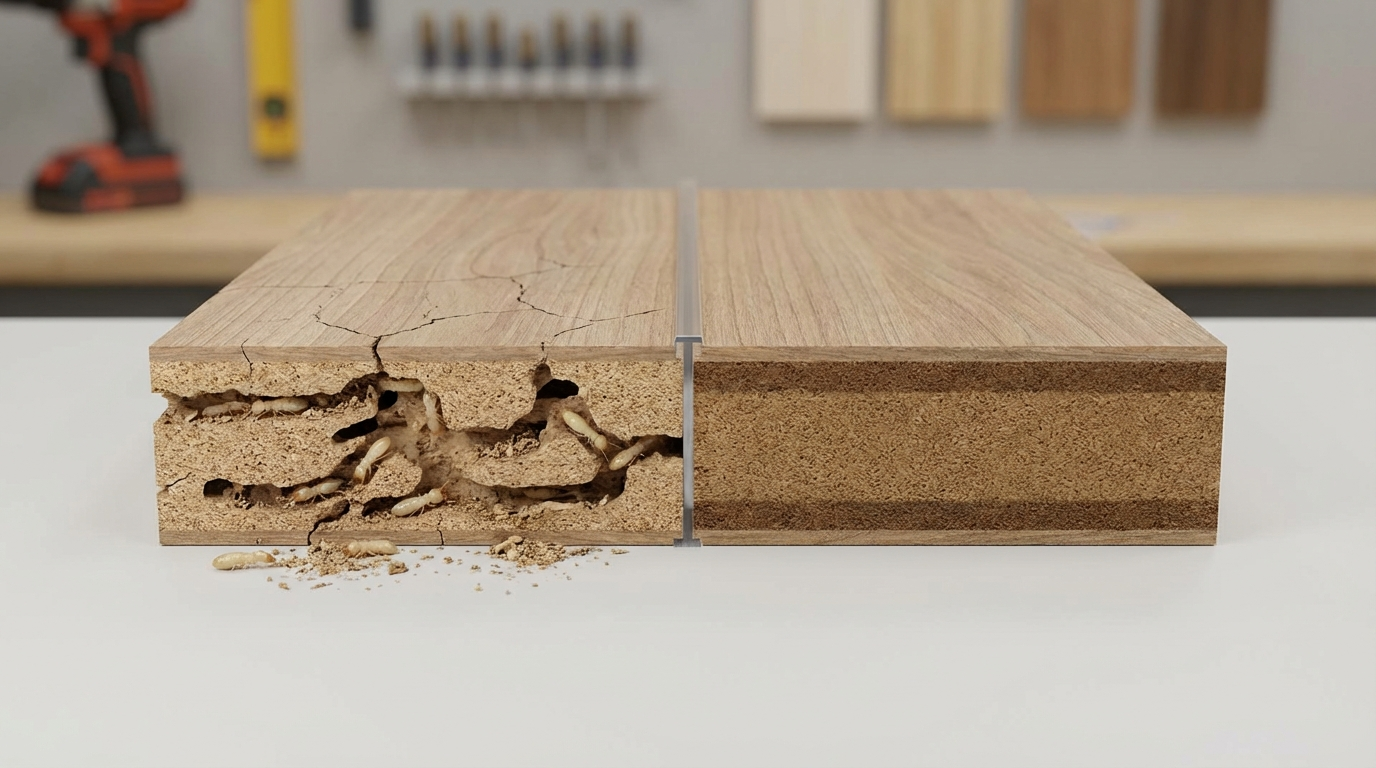
Termites can damage standard MDF furniture by feeding on its wood fibers, but termite-resistant treated versions provide reliable protection if kept dry and elevated.
If you’re in a hurry: Opt for termite-resistant MDF or HDF variants with verified treatments in high-risk Indian areas like coastal or monsoon zones. Always elevate furniture 12-18 inches off the ground, seal all edges thoroughly, and apply site-wide termite barriers during construction. This combo cuts risk by addressing MDF's core vulnerability—moisture drawing termites to exposed fibers—while avoiding overkill costs of full WPC swaps. Check labels for treatment indicators like density over 800 kg/m³ and no swelling in humidity tests you can do on-site.
- Choose termite-resistant MDF if: moderate budget, need machinability for wardrobes/TV units, dry-to-moderate humidity site with good ventilation.
- Avoid standard MDF if: ground-floor home, history of termite issues, coastal/monsoon exposure without pre-treatment.
What This Material/Option Actually Is
MDF, or medium-density fiberboard, is an engineered panel made by breaking down wood fibers, mixing with resins like urea-formaldehyde, and pressing under heat and pressure. It creates a uniform, smooth sheet ideal for laminated furniture, cabinets, and moldings. Densities typically range 700-850 kg/m³, with thicknesses from 3-25 mm common in Indian interiors.
Termite-resistant MDF incorporates additives like boron compounds during manufacturing. These disrupt termite digestion or kill colonies on contact. Not all MDF qualifies—standard versions lack this, making them prone to attack where cellulose fibers remain accessible. HDF (high-density fiberboard) follows similar logic but packs fibers tighter for better screw hold and surface hardness.
In practice, both come pre-laminated or raw for CNC routing. The key difference: untreated MDF suits dry, low-risk zones; treated ones handle India's termite hotspots.
Why It Matters in Indian Homes and Sites
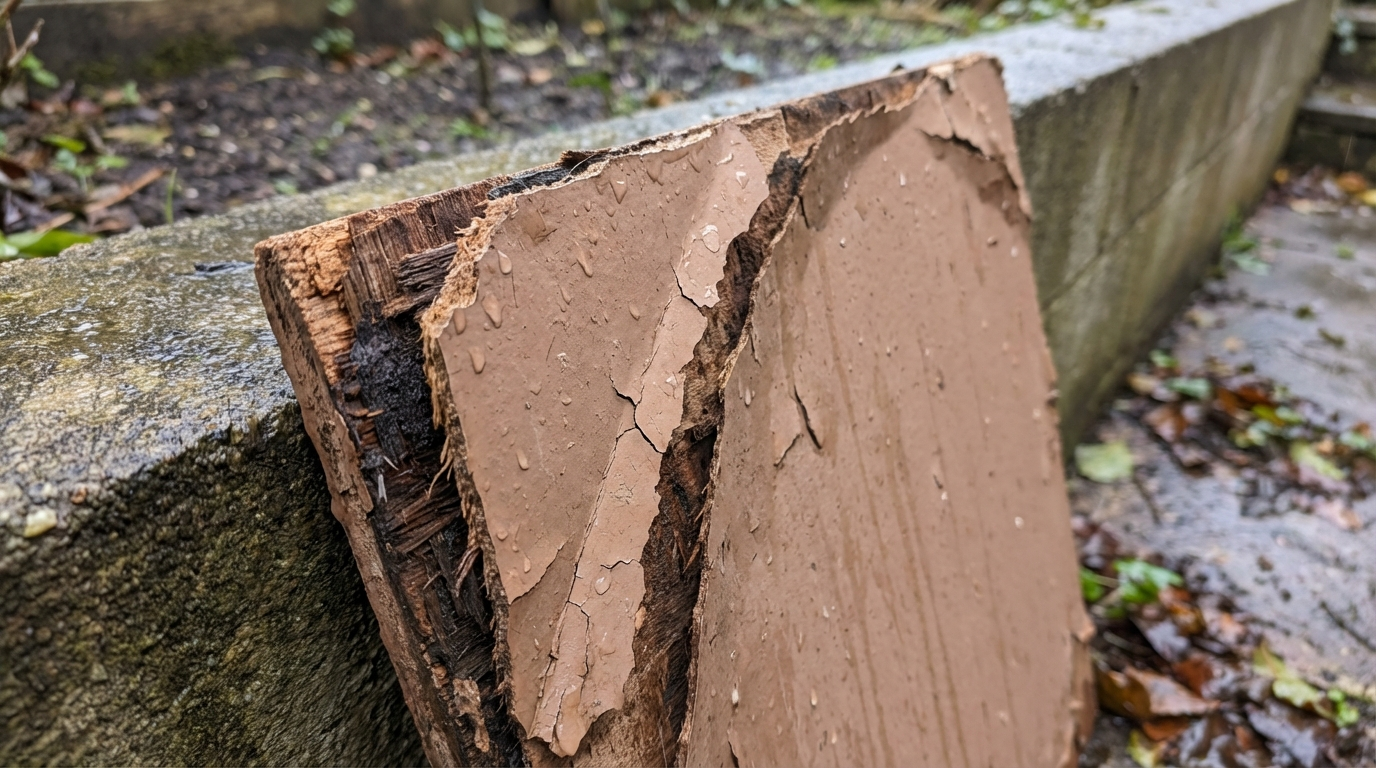
India's tropical climate amplifies termite risks—MDF absorbs monsoon humidity, swelling edges and creating entry points for subterranean termites common in soil-contact zones. Coastal areas like Mumbai or Chennai see year-round dampness, while northern plains face post-rain surges. Improper storage at dealer yards (stacked on ground) introduces early infestations.
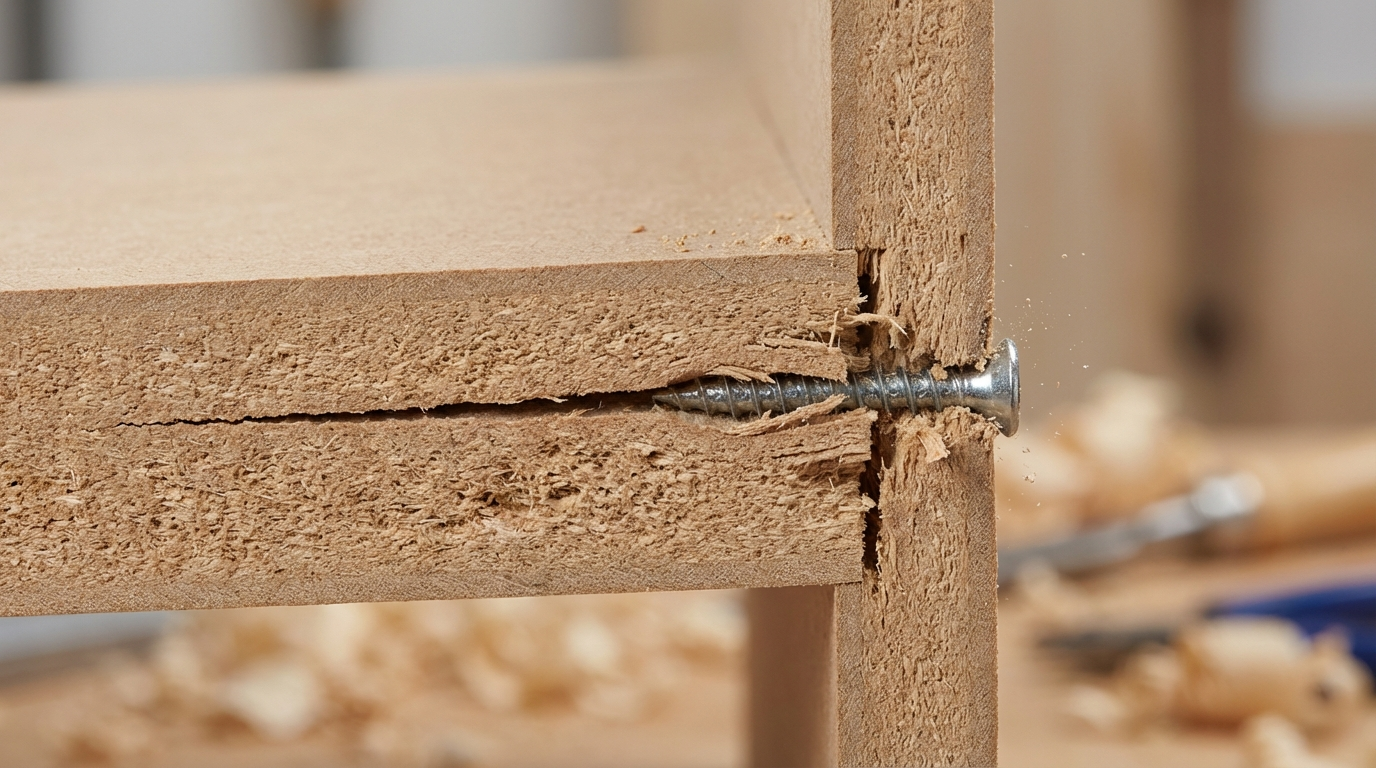
Consequences hit hard: weakened screw holds in wardrobe shutters lead to sagging doors; delamination in humid kitchens exposes fibers for termite tunnels. Sites with poor ventilation or ground-level plinths accelerate damage. Carpentry workflows often skip full edge sealing, worsening porosity. Result: furniture lifespan drops from 10-15 years to under 5 in high-risk setups.
Elevated, sealed installations in ventilated spaces extend life significantly, making MDF viable even in challenging conditions.
Can Termites Actually Eat MDF?
Do Termites Attack Standard MDF Furniture?
Yes, termites target standard MDF because it contains cellulose-rich wood fibers they feed on. Unlike solid wood with natural barriers, MDF's uniform structure lets colonies tunnel inward once moisture softens resins. In Indian homes, this shows as frass (termite droppings) near edges or buckling panels after 6-12 months in damp sites.
Nuance: Dry, sealed MDF resists better than untreated plywood due to resins binding fibers tightly. But monsoon leaks or floor contact changes that—termites thrive in 70%+ humidity. Check by tapping suspect areas: hollow sounds signal internal voids. Next step: inspect for mud tubes along baseboards and elevate immediately if found.
Is Termite-Resistant MDF Completely Immune?
No material is 100% immune, but treated MDF significantly deters termites via chemical additives that poison or repel them. Effectiveness holds for 7-10 years in typical use, outperforming standard versions by limiting fiber access.
Conditions matter: works best above ground level, away from soil. Coastal humidity can leach treatments over time if unsealed. Verify by asking suppliers about additive type (e.g., boron-based) and requesting density/moisture tests. Practical step: expose a sample edge to dampness for 24 hours—no swelling means solid protection base.
Meaning, Types, and Where People Get Confused
Termite resistance in MDF means integrated chemical treatments during fiber mixing, not surface sprays. Types include standard (no treatment), boron-treated (repels/kills), and MR/HR variants with dual moisture-termite focus. HDFWR adds water resistance for wetter zones.
- Confusion 1: All MDF is termite-proof—false; only labeled treated ones are.
- Confusion 2: Resins alone protect—no, termites bypass dry resins via moisture paths.
- Confusion 3: PVC/WPC are identical— they lack cellulose entirely, fully immune but costlier.
- Confusion 4: Post-install sprays suffice—temporary; internal treatments last longer.
- Confusion 5: Thicker MDF = safer—not always; treatment depth matters more.
Two-Minute Comparison: Standard MDF vs Treated vs Alternatives
Standard MDF suits budget dry interiors but falters in termite zones. Treated versions balance cost and protection. WPC/PVC eliminate risk entirely but limit machinability.
| Aspect | Standard MDF | Termite-Resistant MDF | WPC/PVC Boards |
|---|---|---|---|
| Termite Risk | High if damp | Low with sealing | None |
| Moisture Tolerance | Poor | Moderate | Excellent |
| Machinability (CNC) | Excellent | Excellent | Good |
| Cost Driver (per sqm, 18mm) | Low | Medium | High |
| India Fit (Monsoon) | Dry zones only | Most areas | All zones |
Choose based on site: dry/low-termite = standard; moderate risk = treated MDF; high exposure = WPC.
How Termite Control Actually Works in Engineered Panels
Control layers overlap: internal treatments kill termites on ingestion; edge sealing blocks entry; site barriers prevent mud tubes. Resins in MDF already deter somewhat by lacking sugars, but treatments amplify this.
In India, combine panel choice with pre-construction soil treatment and annual checks. Monsoon prep: ventilate storage, use dehumidifiers in coastal godowns.
What Really Protects MDF Furniture from Termites?
Multi-layer strategy: treated boards + full edge banding/PVC lips + 12-inch elevation + soil termiticide. This addresses MDF's porosity without relying on one fix.
Conditions: skips work in ventilated, dry installs but fail near leaks/ground. Trade-off: adds 10-15% cost but saves replacement. Check: run fingernail along edges—smooth seal means protected; rough fibers invite attack.
How to Protect MDF Furniture in 5 Steps
- Assess site risk: Check for mud tubes, past infestations, soil type (loamy = higher risk). Coastal/monsoon = high.
- Select treated panels: Density >800 kg/m³, labeled resistant. Tap test: uniform thud, no hollows.
- Prep during fabrication: CNC route with sealed bits, apply edge bands immediately, prime all cuts.
- Install elevated/sealed: Legs minimum 300mm, silicone gaps, ventilate under units.
- Maintain annually: Vacuum bases, inspect edges, reapply barriers if needed.
Failure point: skipping step 3—cut edges swell, drawing termites.
Failure Modes and Fixes
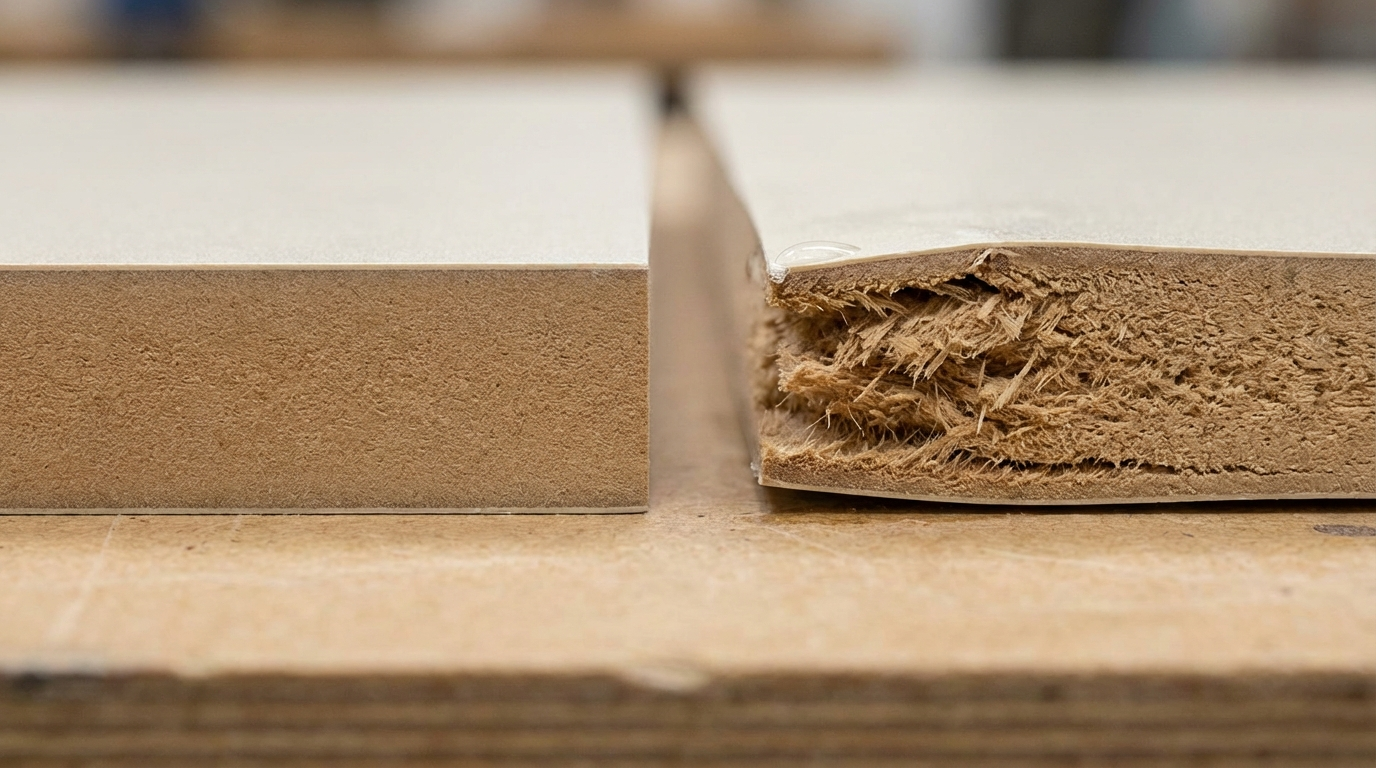
- Symptom: Edge crumbling with mud tubes. Cause: Moisture-softened untreated edges. Prevent: PVC edge banding + silicone sealant. Fix: Cut out, replace section, retreat soil.
- Symptom: Sagging shelves, weak screws. Cause: Internal fiber loss from undetected colony. Prevent: Pre-drill oversized, elevate. Fix: Reinforce with brackets, fumigate.
- Symptom: Surface bubbling post-monsoon. Cause: Humidity breach via poor lamination. Prevent: MR-grade + dehumidify. Fix: Sand/refinish if minor.
- Symptom: Frass piles under unit. Cause: Ground contact. Prevent: 18-inch legs. Fix: Elevate, clean, bait traps.
- Symptom: Delamination in hinges. Cause: Vibration + damp. Prevent: HD variants, proper torque. Fix: Reglue, new hardware.
- Symptom: Hidden voids on tap. Cause: Factory batch variance. Prevent: Sample test. Fix: Full panel swap.
Common Buyer Mistakes and How to Avoid Them
- Mistake 1: Buying cheapest standard MDF for termite-prone sites. Avoid: Add 20% budget for treated; verify density.
- Mistake 2: Ignoring storage—wet yard stacks. Avoid: Inspect on delivery for damp spots.
- Mistake 3: Skipping edge sealing post-cut. Avoid: CNC shops must band same day.
- Mistake 4: Ground-level installs. Avoid: Mandate legs in carpenter contract.
- Mistake 5: Relying on surface polish only. Avoid: Layer with primer/sealant.
- Mistake 6: No site pre-treatment. Avoid: Include in builder spec for plinth.
- Mistake 7: Overloading humid wardrobes. Avoid: Ventilation holes top/bottom.
- Mistake 8: Delaying inspections. Avoid: Quarterly baseboard checks.
Practical Decision Framework
| Site Condition | Recommended Panel/Finish | Verify Checklist |
|---|---|---|
| Wet zone (kitchen, bathroom) | HDFWR treated, melamine + PVC edge | No swell in wet cloth test, density stamp |
| Coastal high-humidity | Termite-resistant MDF, laminate seal | Elevated install, ventilation plan |
| Heavy use (kids' room) | HD treated, abrasion-resistant finish | Screw hold test on sample |
| Tight budget | Standard MDF dry zone only, full seal | Supplier batch consistency |
| Fast delivery needed | Pre-lam treated stock | Edge quality on arrival |
| High termite history | WPC hybrid, no wood fiber | Soil barrier confirmed |
Quality Checks You Can Do Without Lab Tests
Before buying: Weigh a sheet—feels dense; tap for uniform sound; scratch surface—no powdering. Ask: treatment method? Batch moisture % under 10%?
After cutting: Edges smooth, no loose fibers; wet test—minimal swell after 1 hour; screw pull-out holds 50N+ firm.
After install: No gaps at joints; base clear of soil; humidity gauge under 60% RH.
Red flags: Warped samples, musty smell, uneven density.
How Do I Know If My MDF Is Termite-Resistant?
Look for higher density (800+ kg/m³), uniform weight, and supplier confirmation of fiber treatment. Tap test yields solid tone; wet edge resists fraying.
Nuance: Labels vary—ask for additive details indirectly via performance claims. In India, coastal batches need extra scrutiny for leaching. Next: Sample humidity soak overnight, check integrity.
Tips by User Type
Homeowners: Do clean bases weekly, avoid water spills; don’t overload bottom shelves or store wet clothes nearby. Use neem oil wipes monthly for natural repel.
Carpenters: Cut with sealed blades, band edges before assembly, pre-drill hinges 2mm larger. Handle stacks vertically in monsoon.
Architects/Designers: Spec treated HD for wet zones, detail 150mm legs, integrate vents. Balance aesthetics with 10% risk buffer.
OEM/Modular Makers: QC tap-weight on every 10th sheet, standardize sealing protocol, track returns by batch for treatment variance.
Practical Use Cases: What Works, What Fails
| Use Case | Thickness Range | Finish/Edge Notes | Risk Notes (India) |
|---|---|---|---|
| Wardrobe shutters | 18mm | Laminate + PVC lip | Medium; elevate, vent top |
| Kitchen cabinets | 16-19mm | MR melamine, full seal | High humidity; treated only |
| TV units | 12-18mm | Pre-lam, acrylic edge | Low; dry room fine standard |
| Wall panels | 8-12mm | Veneer + sealant | Monsoon: treated HD |
| Partitions | 12mm | Lam both sides | Coastal: WPC hybrid |
Can I Use Regular MDF in Termite-Prone Areas?
Limited yes, with heavy prevention: elevate high, seal triple-layer, site-treat soil. But risk remains higher than treated options.
Conditions: Dry interiors only; fails near leaks. Trade-off: saves upfront but risks rework. Check: Past site history—no attacks in 2 years.
FAQs
Do termites prefer MDF over solid wood?
Termites attack both but favor untreated solid wood for easier cellulose access. MDF's resins slow them, yet damp standard MDF invites faster via swelling. In Indian monsoon setups, unsealed MDF often suffers first due to porosity. Prevention focuses on dryness over material alone—elevate and seal regardless. Long-term, treated engineered panels edge out solid wood in uniform protection.
How long does termite-resistant MDF last in India?
Typically 8-12 years in moderate-risk homes with proper care, shorter in coastal untreated sites. Factors like sealing quality and ventilation dictate—monsoon neglect halves it. Unlike plywood, MDF's density aids longevity if fibers stay bound. Annual checks extend usability; replace sections proactively if frass appears.
Is PVC better than termite-resistant MDF for furniture?
PVC offers zero termite risk as it lacks wood fibers, ideal for ultra-wet zones, but MDF machines smoother for intricate designs at lower cost. Trade-off: PVC edges chip easier in CNC work. For wardrobes, MDF suits if sealed; bathrooms favor PVC. Evaluate by machinability needs and budget—hybrid panels blend both.
What if termites already attacked my MDF furniture?
Isolate unit, vacuum frass, expose to sun 2-3 days to kill colony remnants. Drill small holes, inject boric acid solution if accessible. Severe cases need full replacement. Prevent recurrence with soil barriers. In India, call local pest control for site mapping—early action saves 70% of damage.
Does monsoon humidity ruin termite protection in MDF?
Humidity swells untreated edges, breaching protection; treated holds if sealed. Coastal sites need MR grades + dehumidifiers. Workflow: Store flat-wrapped, install post-dry season. Check relative humidity under 55% for best results—fans help in non-AC homes.
Can I treat standard MDF myself for termites?
Surface sprays offer short-term repel (3-6 months), not internal fix. Borate soaks penetrate raw edges before lamination. Better: swap to treated. DIY limits depth—professional pre-fab ensures even distribution. Cost-saving but risky in high-exposure.
How to spot early termite damage in MDF cabinets?
Look for mud tubes on legs, frass near joints, soft spots on tap. Discoloration or hollow thuds signal internals. Monthly flashlight checks under units catch 90% early. India tip: Post-monsoon inspect—damp accelerates hidden growth.
Should I avoid MDF entirely in termite-heavy areas?
Not necessary—treated variants + protocols match solid wood safety at half cost. Full avoid only for budget extremes. Decision: If site history clean and install pro, viable. Otherwise, WPC for peace.
What's the role of edge banding in termite protection?
Edge banding seals porous cuts, blocking moisture/termite entry—critical post-CNC. PVC types outperform tape in humidity. Skip it, risk doubles. Apply heat-activated, overlap 1mm, silicone joints. Extends life 3-5 years in wet India climates.
Disclaimer: This content is provided for general informational purposes based on industry practices and publicly available information. Product specifications, standards, prices, and availability may vary by manufacturer, region, and time. Readers should independently verify details with manufacturers, dealers, or qualified professionals before making purchase or construction decisions.Want Plywood Suggestions?
Share a few details and a VIR MDF specialist will suggest suitable brands and connect you to responsive dealers.