Sunmica In English – Complete Guide for Indian Buyers
Clear, research-backed explanation of sunmica in english with examples, FAQs, and practical tips for Indian homes and furniture work.
Note: This is independent informational content and is not affiliated with any manufacturer.
Quick Decision Summary
One-line answer: Sunmica is the Indian colloquial term for decorative laminate sheets used to finish furniture and interior surfaces.
If you're in a hurry: When someone in India says "sunmica," they almost always mean high-pressure decorative laminate (HPL) sheets applied to plywood, MDF, or particle board surfaces. The term became genericized from a popular brand name, much like "xerox" for photocopying. Understanding this helps you communicate clearly with carpenters, dealers, and interior designers across India, ensuring you get the right material specifications for your project.
- Choose sunmica/laminate if: You want durable, scratch-resistant, easy-to-clean surfaces for kitchens, wardrobes, doors, or wall panels at reasonable cost.
- Avoid sunmica/laminate if: You need seamless curved surfaces, prefer natural wood textures with patina development, or are working in extreme moisture zones without proper edge sealing.
What Sunmica Actually Means in English and Indian Context
The word "sunmica" does not exist in standard English dictionaries. It originated as a brand name for decorative laminates introduced in India during the 1960s through a collaboration between an Indian trading corporation and a Japanese laminate manufacturer. Over decades, this brand became so dominant in the Indian market that the term evolved into a generic word for all decorative laminate sheets, regardless of the actual manufacturer.
In technical English and international terminology, what Indians call "sunmica" is properly known as:
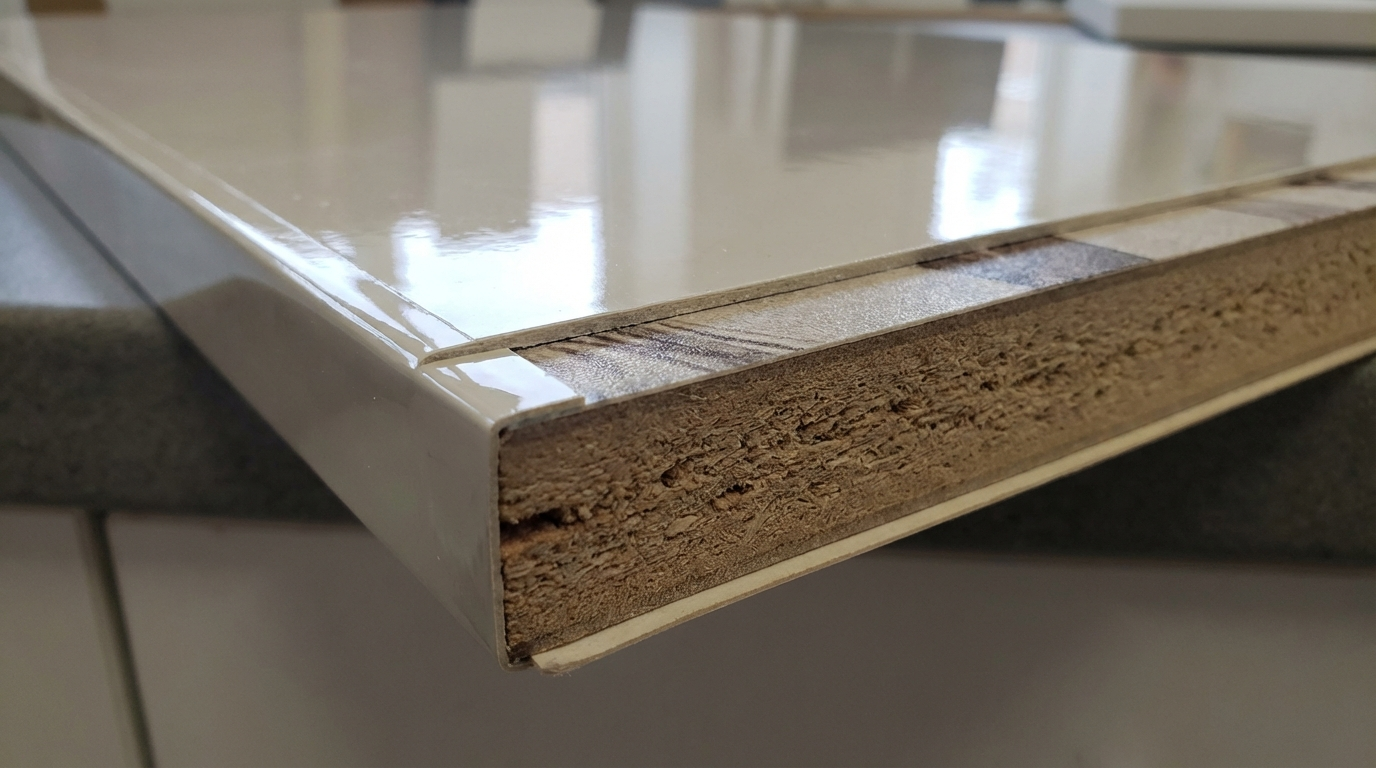
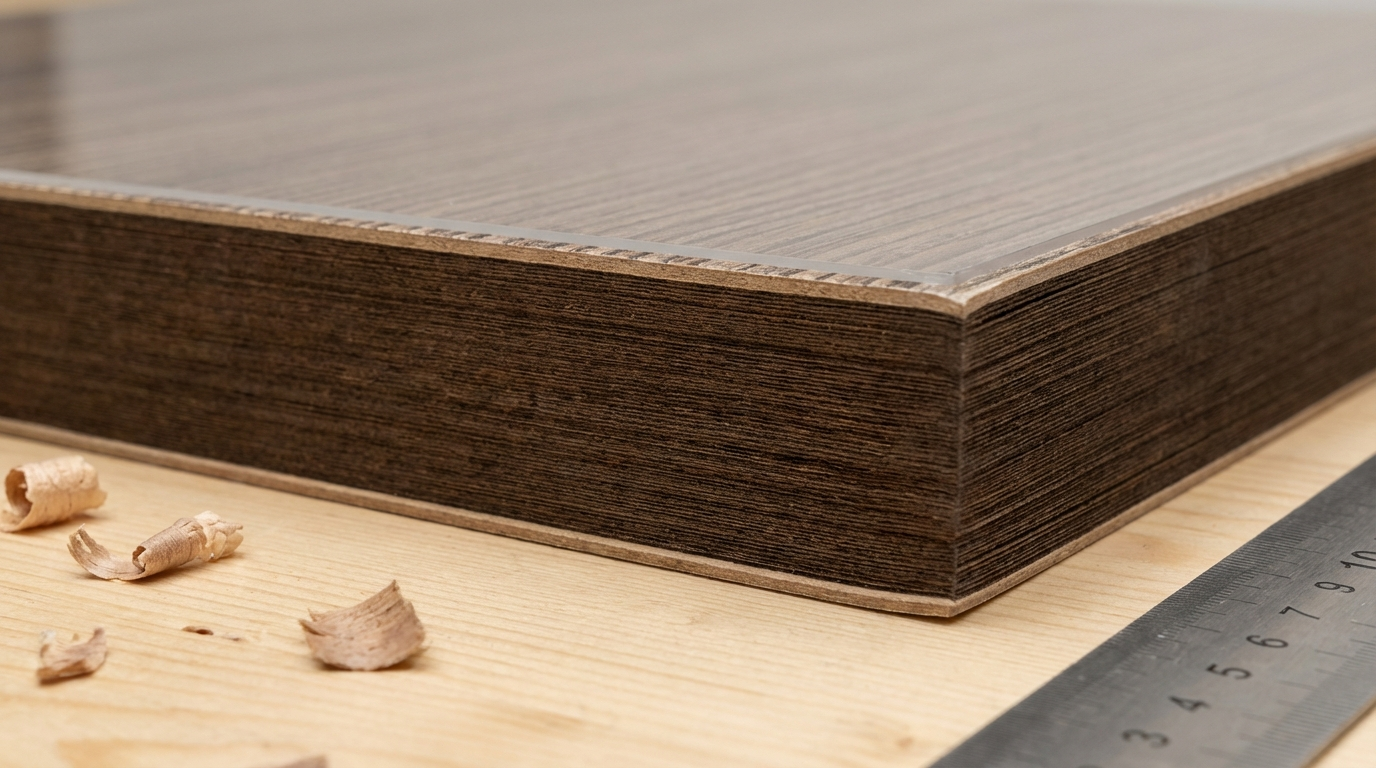
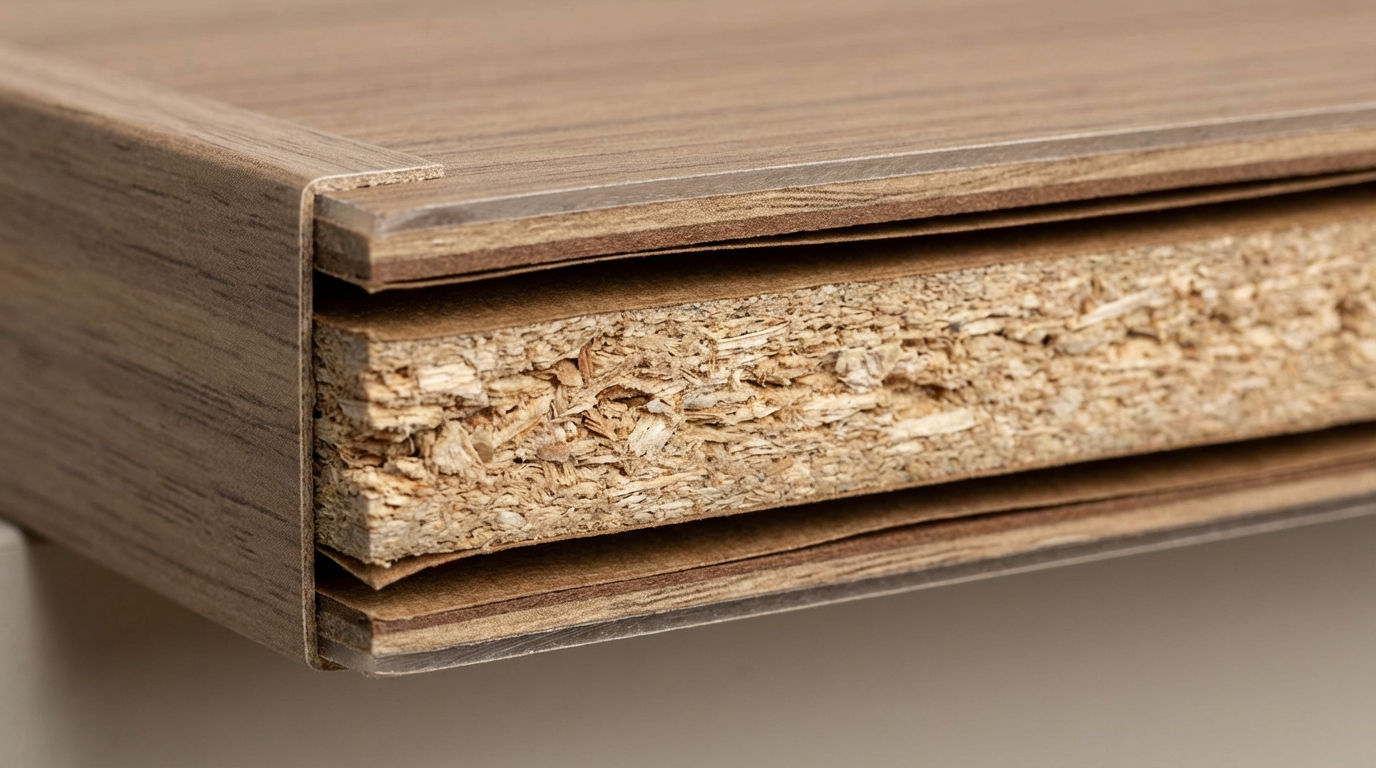
- High-Pressure Laminate (HPL): Sheets manufactured by compressing multiple layers of kraft paper and decorative paper with phenolic and melamine resins under high heat and pressure
- Decorative Laminate: Surface finishing material applied to substrates like plywood, MDF, or particle board
- Laminate Sheets: The broad category encompassing various grades and finishes of pressed decorative surfaces
This linguistic evolution matters practically because when you search for "sunmica" online, you may find limited international resources, whereas searching for "decorative laminate" or "HPL sheets" opens up global technical information, installation guides, and specification standards.
Why Do Indians Call It Sunmica Instead of Laminate?
The genericization of brand names happens when one company dominates a market category for an extended period. In India, this particular brand became synonymous with decorative laminates during the 1970s and 1980s when alternatives were limited and the brand had extensive distribution networks. Carpenters, dealers, and consumers naturally adopted the brand name as the product category name itself.
This phenomenon is similar to calling all adhesive bandages "Band-Aid" or all photocopies "Xerox." Understanding this helps Indian buyers communicate effectively both locally and internationally—use "sunmica" when speaking with local carpenters and "decorative laminate" or "HPL" when sourcing internationally or reading technical specifications.
Why This Distinction Matters in Indian Homes and Sites
India's climate and construction realities create unique challenges for interior finishing materials. Understanding what sunmica/laminate actually is—and is not—helps you avoid costly mistakes during specification, purchase, and installation.
Monsoon and Humidity Considerations
The laminate surface itself is highly moisture-resistant, which is why many buyers assume sunmica-finished furniture is waterproof. This assumption leads to failures. The critical vulnerability lies in the substrate (plywood, MDF, or particle board) and the edges where water can penetrate. During Indian monsoons, relative humidity can exceed 80-90% in coastal and eastern regions, causing substrate swelling if edges are poorly sealed.
Practical consequences include warped cabinet doors, delamination at edges, swollen bases of kitchen cabinets near wet areas, and fungal growth behind laminate surfaces where moisture gets trapped. These failures are not laminate defects—they are installation and substrate selection failures.
Storage and Transport Realities on Indian Sites
Laminate sheets are typically stored flat in dealer warehouses but often get stacked vertically or exposed to sun and rain during transport and site storage. Indian construction sites frequently lack covered storage areas, and materials may sit exposed for days before installation. Pre-laminated boards are particularly vulnerable to edge damage during handling. Understanding proper storage requirements prevents warping, chipping, and surface scratches before installation even begins.
Types of Sunmica/Laminate Available in India
The Indian market offers multiple laminate categories, each suited to different applications and budgets. Knowing these distinctions prevents over-specification (wasting money) and under-specification (premature failures).
| Laminate Type | Thickness Range | Best Applications | Key Characteristics |
|---|---|---|---|
| High-Pressure Laminate (HPL) | 0.6mm to 1.5mm | Horizontal surfaces, high-wear areas, kitchen counters | Most durable, scratch and heat resistant |
| Low-Pressure Laminate (LPL) | 0.2mm to 0.4mm | Vertical surfaces, wardrobe interiors, backing panels | Economical, suitable for low-abuse areas |
| Post-Forming Laminate | 0.8mm typical | Curved edges, rounded countertops, furniture with radiused corners | Bendable when heated, seamless edge appearance |
| Digital Print Laminate | 0.8mm to 1.0mm | Accent panels, decorative doors, feature walls | Photographic quality images, custom patterns possible |
| Anti-Fingerprint Laminate | 0.8mm to 1.0mm | Dark-colored kitchens, office furniture, high-touch surfaces | Matte surface resists fingerprint marks |
| Fire-Retardant Laminate | 0.8mm to 1.5mm | Commercial installations, hospitals, laboratories | Meets fire safety standards, often required by code |
What Is the Difference Between Sunmica and Pre-Laminated Board?
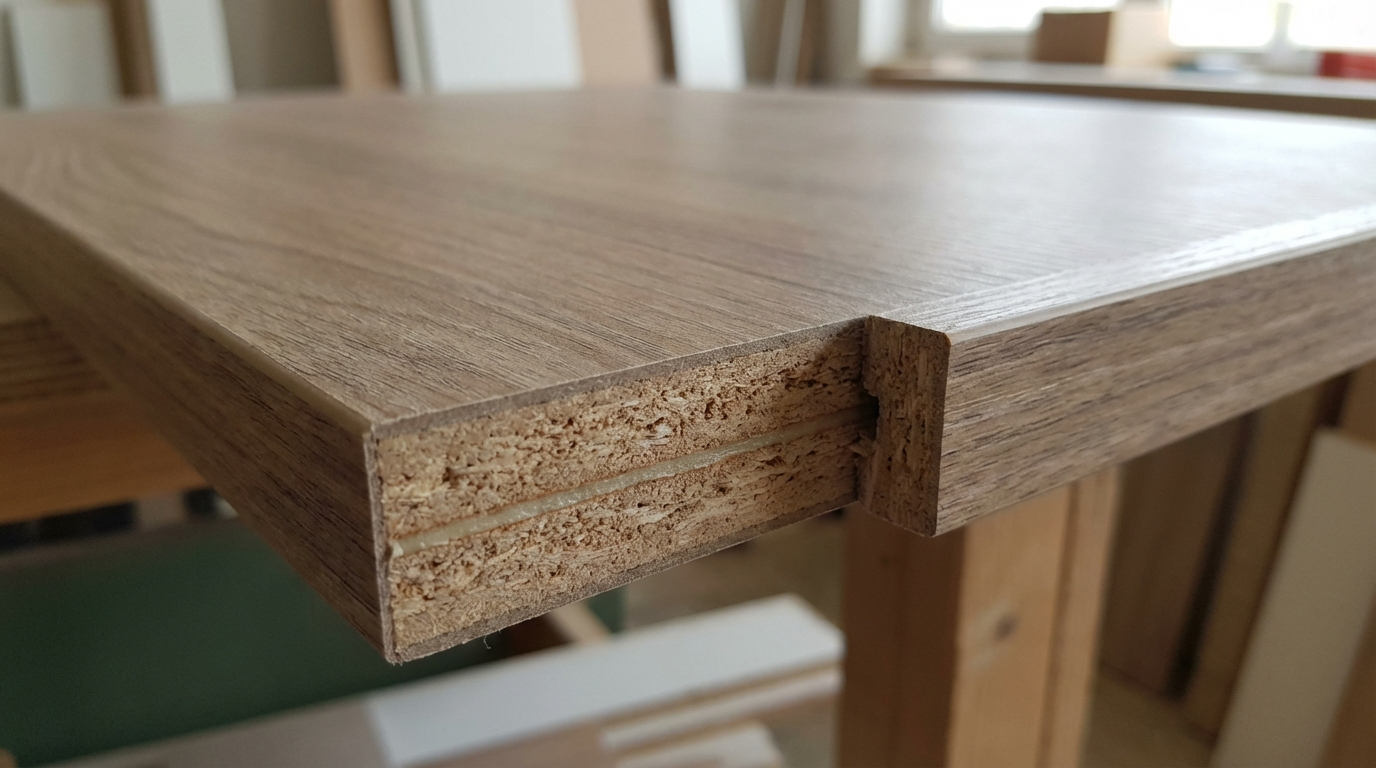
This distinction confuses many Indian buyers. Sunmica or laminate sheets are separate finishing materials that carpenters apply to substrates using adhesive (usually fevicol or contact cement). Pre-laminated boards (also called pre-lam MDF or particle board) come factory-finished with a melamine or paper foil surface already bonded to the board.
Pre-laminated boards offer faster production and consistent factory finish but limited design options and visible edge banding. Separate laminate sheets offer more design flexibility, thicker and more durable surfaces, but require skilled application and longer production time. For modular kitchens and mass-produced furniture, pre-laminated boards dominate. For custom carpentry and high-end residential work, applied laminate sheets remain popular.
Price Range and Cost Drivers
Laminate pricing in India varies significantly based on multiple factors. Rather than quoting specific prices (which change with market conditions), understanding cost drivers helps you evaluate quotes and negotiate effectively.
What Factors Affect Sunmica Sheet Price?
Laminate prices typically range from economical options at the lower end to premium designer collections at significantly higher rates. The primary cost drivers include:
- Thickness: Thicker sheets (1.0mm vs 0.8mm) cost more but offer better durability and impact resistance
- Finish type: Glossy and textured finishes often cost more than matte surfaces due to manufacturing complexity
- Design complexity: Solid colors are generally cheaper than wood-grain patterns, which are cheaper than digital prints or metallic finishes
- Brand positioning: Established brands typically price 15-40% higher than newer or regional manufacturers
- Sheet size: Standard 8x4 feet sheets are most economical; larger or non-standard sizes command premiums
- Special properties: Fire-retardant, anti-bacterial, or UV-resistant grades add to base costs
For a typical wardrobe with 40-50 square feet of laminate surface area, material costs can range from economical to premium depending on specifications. Labor for application typically adds another component to total costs, varying by city and carpenter skill level.
How to Ask for Accurate Laminate Quotes
When requesting quotes, specify these details to ensure accurate and comparable pricing:
- Exact sheet size required (8x4 feet is standard)
- Thickness needed (0.8mm for verticals, 1.0mm for horizontals is typical)
- Finish type (matte, gloss, textured, anti-fingerprint)
- Design pattern or code number if specific design needed
- Quantity required (including 10-15% wastage allowance)
- Edge banding requirements (matching or contrasting)
- Delivery location (logistics costs vary significantly)
How Sunmica/Laminate Is Applied: The Installation Process
Understanding the application process helps homeowners supervise work quality and helps carpenters avoid common failures. The process differs between separate laminate application and pre-laminated board usage.
Step-by-Step Laminate Application
- Substrate preparation: The plywood or MDF surface must be smooth, dry, and free of dust. Any unevenness shows through the thin laminate layer.
- Adhesive application: Contact adhesive is applied evenly to both the substrate and the laminate back. Both surfaces must dry to tacky state before joining.
- Positioning: Since contact adhesive bonds instantly, positioning must be perfect on first contact. Professionals use dowels or paper slips for alignment.
- Pressing: A roller or rubber mallet eliminates air bubbles and ensures complete adhesion. Pressure must be applied from center outward.
- Trimming: Excess laminate is trimmed using a router or hand file. This step requires skill to avoid chipping.
- Edge treatment: Edges are finished with matching edge band tape, solid wood lipping, or post-formed laminate wrapping.
What Mistakes Do Carpenters Make During Sunmica Application?
Common installation errors that lead to failures include insufficient adhesive coverage causing bubbles, applying laminate before adhesive is properly tacky, working in humid conditions that affect adhesive performance, rushing the pressing step leading to poor bonding at edges, and improper trimming that causes chips or rough edges. Each of these is preventable with proper technique and working conditions.
Common Buyer Mistakes and How to Avoid Them
Indian buyers frequently make these errors when selecting and specifying laminate work. Each mistake has practical consequences and straightforward prevention.
- Ignoring substrate quality: Buyers focus on laminate design but accept poor-quality plywood underneath. The substrate determines long-term durability more than the laminate surface. Always verify plywood grade and condition before lamination.
- Skipping edge sealing in wet areas: Kitchen base cabinets and bathroom vanities need complete edge sealing. Many buyers assume laminate surfaces are waterproof, forgetting that water enters through edges. Specify silicone edge sealing for all wet-zone installations.
- Choosing based only on showroom appearance: Laminate samples in showrooms look different under site lighting and alongside other finishes. Request large samples (at least A4 size) and view them in actual installation location before finalizing.
- Over-specifying for low-use areas: Installing expensive 1.0mm HPL on wardrobe interiors or backing panels wastes money. Match specifications to actual wear expectations—use economical grades for hidden surfaces.
- Under-specifying for high-use areas: Using thin laminate on kitchen counters or children's study tables leads to premature scratching and chipping. Horizontal high-wear surfaces need thicker, harder grades.
- Ignoring thermal expansion: Large laminate panels expand and contract with temperature changes. Not leaving expansion gaps or using rigid fixing methods causes buckling. Discuss expansion provisions with your carpenter for large panels.
- Accepting damaged sheets: Laminate sheets with even minor surface scratches or edge chips should be rejected. Inspect every sheet at delivery; damage is not repairable.
- Not storing properly on site: Leaving laminate sheets leaning against walls, exposed to sun, or in damp areas before installation causes warping and damage. Ensure flat, covered, dry storage until application.
- Matching old and new laminate: Expecting new laminate to match existing aged laminate perfectly is unrealistic. Even same-batch sheets develop slightly different tones after installation and exposure. Plan for panel replacement rather than patching.
- Ignoring ventilation requirements: Cabinets with laminate surfaces need ventilation to prevent moisture buildup inside. Specify ventilation holes or gaps, especially for kitchen and bathroom cabinets.
Failure Modes and Fixes
Understanding how laminate installations fail helps prevent problems and address issues early. These are the most common failure patterns observed in Indian installations.
Edge Delamination and Peeling
Symptom: Laminate lifts away from substrate at edges, often starting at corners or high-touch areas.
Likely cause: Insufficient adhesive coverage at edges, humidity exposure before full cure, or moisture penetration over time through unsealed edges.
Prevention: Ensure complete adhesive coverage including edges, allow full curing time before use, seal all edges in moisture-prone areas.
Fix if occurring: Clean lifted area, apply fresh adhesive, press firmly, and add edge protection. Severely damaged sections may need re-lamination.
Surface Bubbling
Symptom: Raised bubble areas across the laminate surface, not just at edges.
Likely cause: Air trapped during application, adhesive applied unevenly, or laminate applied before adhesive reached proper tackiness.
Prevention: Roll surface thoroughly from center outward, wait for adhesive to reach correct tackiness, work in controlled humidity conditions.
Fix if occurring: Small bubbles can sometimes be pressed out with heat application. Large bubbles require lifting the section and re-adhering.
Substrate Swelling Showing Through
Symptom: Bumps or waves visible on laminate surface, particularly after monsoon season or in kitchen areas.
Likely cause: Water penetration to MDF or particle board substrate causing localized swelling.
Prevention: Use moisture-resistant substrates in wet areas, seal all edges completely, ensure no water pooling on horizontal surfaces.
Fix if occurring: Damage is usually permanent. Affected panels need replacement with proper moisture protection.
Scratch Accumulation
Symptom: Progressive dulling and visible scratch marks on high-use surfaces.
Likely cause: Specification too thin for application (e.g., low-pressure laminate on kitchen counter), abrasive cleaning methods, or dragging objects across surface.
Prevention: Specify appropriate hardness grade for expected use, educate users on proper cleaning, use cutting boards and protective pads.
Fix if occurring: Surface scratches cannot be repaired. Panel replacement is the only solution for severe scratching.
Joint Line Visibility
Symptom: Visible seam lines where two laminate sheets meet.
Likely cause: Inaccurate cutting, thermal expansion/contraction at joints, or color variation between sheets from different batches.
Prevention: Order sufficient material from single batch, allow expansion gaps filled with matching filler, use router for precise joint cuts.
Fix if occurring: Color-matched filler can minimize appearance. Significant gaps may require re-cutting adjacent sections.
Chipping at Cut Edges
Symptom: Rough, chipped edges visible especially on exposed laminate edges.
Likely cause: Cutting with dull blades, incorrect blade type, feeding too fast through saw, or cutting laminate face-down.
Prevention: Use sharp fine-tooth blades, cut with laminate face up, use masking tape along cut line, feed slowly.
Fix if occurring: Chipped edges can be covered with edge banding or solid lipping but cannot be repaired to original smoothness.
Decision Framework: Choosing the Right Specification
This framework helps match conditions to appropriate laminate specifications for Indian installations.
| Condition/Situation | Recommended Specification | What to Verify |
|---|---|---|
| Wet zone (kitchen near sink, bathroom) | HPL 1.0mm minimum, moisture-resistant substrate, complete edge sealing | Substrate grade certificate, edge sealing method, drainage provision |
| Coastal location (high salt and humidity) | Marine-grade plywood substrate, HPL with sealed back, stainless steel hardware | Plywood BWP certification, hardware material, ventilation design |
| High-traffic commercial (office counters, retail) | HPL 1.0-1.5mm, anti-fingerprint finish, reinforced substrate | Abrasion resistance rating, edge protection method, warranty terms |
| Budget-constrained (rental fit-out, temporary) | Pre-laminated particle board, LPL for verticals, standard edge band | Substrate density, laminate adhesion quality, basic edge coverage |
| Fast delivery required | Pre-laminated boards from stock, standard colors only | Stock availability, board condition, color consistency between boards |
| High scratch risk (children's room, study tables) | HPL 1.0mm with high abrasion rating, matte or textured finish | Surface hardness specification, actual scratch test on sample |
| Design-focused (living room feature, bedroom wardrobe) | Designer laminate, gloss or textured as per design, matching edge band | Batch consistency for multiple sheets, finish appearance in actual lighting |
| Fire safety required (commercial, hospital) | Fire-retardant laminate with certification, compliant substrate | Fire rating certificate, installation per fire code requirements |
Quality Checks You Can Do Without Lab Tests
These field-practical checks help verify laminate quality at purchase, during cutting, and after installation without specialized equipment.
Before Buying: Visual and Physical Inspection
- Surface uniformity: Hold sheet at angle to light source; look for waves, dull spots, or print inconsistencies
- Edge condition: Check all four edges for chips, cracks, or delamination starting points
- Thickness consistency: Measure at multiple points if micrometer available; feel for thickness variation
- Back surface: Should be uniformly sanded for adhesive bonding; glossy or sealed backs bond poorly
- Color matching: If ordering multiple sheets, verify batch numbers match; compare samples side by side
- Flexibility test: Gently flex sheet; should show some give without cracking sounds
Red Flags at Purchase
- Sheets stored vertically for extended periods (warping risk)
- Visible moisture damage or staining on packaging
- Dealer unable to provide batch information
- Significant price below market rate (may indicate quality issues or counterfeit)
- Surface scratches visible even before unwrapping
After Cutting: Edge Quality Assessment
- Chip-free edge: Clean cuts show minimal chipping on laminate face
- Layer visibility: Cut edge should show distinct paper layers compressed tightly
- No delamination start: Layers should not be separating at cut edge
- Smooth feel: Running finger along cut edge should feel uniform, not ragged
After Installation: Final Quality Verification
- Bubble check: Run palm across surface feeling for any raised areas
- Edge adhesion: Gently try to lift edges with fingernail; should show no give
- Surface reflection: Light reflection should be uniform across panel
- Joint lines: Seams should be tight with no visible gaps or lippage
- Edge band adhesion: Edge banding should show no gaps or peeling
Practical Tips by User Type
For Homeowners: Living with Laminate Surfaces
Cleaning do's: Use soft damp cloth for daily cleaning, mild soap solution for sticky spills, dry immediately after wet cleaning, use appropriate cleaning products for glossy vs matte finishes.
Cleaning don'ts: Avoid abrasive scrubbers, harsh chemicals, bleach-based cleaners, and excessive water that can seep into edges. Never use steel wool or rough brushes even on stubborn stains.
Maintenance habits: Address spills promptly before they stain, use coasters and trivets on glossy surfaces, avoid placing hot vessels directly on laminate, check edge seals annually in wet areas, maintain ventilation in closed cabinets.
For Carpenters: Working with Laminate Materials
Cutting best practices: Use fine-tooth blades (80+ teeth for 10" blade), cut with laminate face up on table saw, use masking tape along cut line to reduce chipping, feed slowly and steadily, support large sheets to prevent cracking.
Edge preparation: Sand substrate edges smooth before lamination, apply adhesive to both surfaces evenly, ensure edges receive complete adhesive coverage, trim excess with router for clean edge, finish with matching edge band or lipping.
Fastening considerations: Pre-drill for all screws near laminate surfaces, avoid fasteners too close to edges, use appropriate hinge plates that distribute stress, consider cam locks over screws for knock-down furniture.
Handling: Store sheets flat on level surface, never drag sheets—always carry with two people for large sheets, protect surfaces during transport with cardboard interlayers, keep away from sun and moisture until installation.
For Architects and Designers: Specification and Detailing
Specification clarity: Include laminate grade (HPL/LPL), thickness, finish type, color code, sheet size, and edge treatment in specifications. Specify substrate independently—laminate specification alone is incomplete.
Wet-zone detailing: Show edge sealing methods in drawings, specify silicone colors, indicate drain slopes on horizontal surfaces, note ventilation requirements for enclosed cabinets.
Finish selection logic: Matte finishes hide scratches better than gloss, textured surfaces hide fingerprints, high-gloss creates perceived space but shows wear faster, coordinate finish across adjacent surfaces for cohesive appearance.
Expansion provisions: Allow 2-3mm gaps at wall junctions for large panels, specify flexible sealant at fixed junctions, avoid rigid corner joints on long runs.
For OEM and Modular Manufacturers: Production Quality
Incoming material QC: Check every batch for color consistency before production, verify thickness at multiple points per sheet, reject sheets with any surface defects, maintain batch traceability for customer complaints.
Process checkpoints: Verify adhesive coverage before bonding, check tackiness timing in different seasons, inspect every panel for bubbles before edge treatment, verify edge band adhesion before packing.
Reducing returns and complaints: Provide care instructions with every delivery, photograph finished product before dispatch, include substrate specifications in customer documentation, address edge sealing visibly in wet-zone products.
Practical Use Cases: What Works and What Fails
Laminate applications have varying success rates depending on the environment and usage pattern. This table summarizes common applications with practical recommendations.
| Application | Recommended Thickness | Finish Notes | Risk Factors |
|---|---|---|---|
| Kitchen cabinet doors | 0.8-1.0mm HPL | Matte or anti-fingerprint for dark colors | Grease accumulation, steam exposure, handle zone wear |
| Kitchen countertop | 1.0-1.5mm HPL | Textured finishes hide scratches | Hot vessel damage, cutting scratches, edge water damage |
| Wardrobe exterior | 0.8mm HPL standard | Gloss acceptable for bedroom use | Handle zone scratches, hinge area stress |
| Wardrobe interior | LPL or pre-lam adequate | Light colors show dust less | Low risk; economical grades sufficient |
| Study table | 1.0mm HPL minimum | Matte to reduce eye strain | Writing pressure scratches, spill exposure |
| TV unit | 0.8mm HPL | Design-focused finish selection | Moderate risk; primarily aesthetic application |
| Main door lamination | 1.0mm HPL with UV resistance | Textured wood grain popular | Sun exposure, rain splash, high impact risk |
| Bathroom vanity | 1.0mm HPL, marine substrate | Anti-fingerprint for dark colors | High moisture, water splash, edge failure critical |
| Wall paneling | 0.8mm HPL | Based on design intent | Impact damage, expansion movement at joints |
| Office workstation | 1.0mm HPL | Anti-fingerprint, anti-bacterial options | High use, keyboard/mouse wear zone |
Design Approaches That Work in Indian Homes
Laminate design selection should balance aesthetics with practical durability. Here are approaches organized by room that consider both appearance and Indian living conditions.
Kitchen Design Approaches
- Two-tone combination: Light uppers with dark lowers—practical because lower cabinets face more spills and wear, darker colors hide this better
- Wood-grain on neutral base: Maintains warmth while being more forgiving of scratches than solid colors
- Matte throughout: Easier maintenance than gloss in cooking environment
- Handle-less with push-open: Reduces handle-zone wear but requires anti-fingerprint finish
Bedroom Wardrobe Approaches
- Full-height mirror panel accent: Breaks laminate monotony, adds functionality
- Horizontal grain direction: Creates perceived width in narrow rooms
- Mixed matte-gloss: Gloss panels create visual interest against matte backgrounds
- Light interior, statement exterior: Economical approach that maintains appearance
Living Room and TV Unit Approaches
- Backlit panel integration: LED lighting behind translucent laminate creates ambient effect
- Stone-texture laminate: Achieves high-end look without natural stone cost and maintenance
- Floating unit appearance: Dark plinths make units appear to float, modern aesthetic
- Open and closed mix: Laminate closed units with open display shelves
Comparing Sunmica with Alternative Surface Materials
Understanding how laminate compares to alternatives helps make informed material selections based on project requirements.
| Characteristic | Laminate (Sunmica) | Acrylic Finish | PU Paint | Veneer |
|---|---|---|---|---|
| Scratch resistance | Good to excellent | Moderate | Good | Poor to moderate |
| Moisture resistance | Excellent (surface only) | Excellent | Good | Poor |
| Repairability | Not repairable | Polishable | Re-paintable | Re-finishable |
| Design variety | Very high | Limited colors | Any color | Natural wood only |
| Cost | Low to moderate | High | Moderate to high | Moderate to very high |
| Installation speed | Fast | Moderate | Slow (drying time) | Moderate |
| Appearance quality | Good | Excellent depth | Excellent | Natural, unique |
| Durability | 10-15 years typical | 8-12 years | 5-8 years before refinish | Variable, maintenance dependent |
FAQs
What is the full form of sunmica?
Sunmica does not have a full form—it is a brand name that became a generic term in India for decorative laminate sheets. The name originated from a laminate brand introduced in India during the 1960s through a joint venture between an Indian trading company and a Japanese manufacturer. Over decades, the brand became so dominant in the Indian market that consumers began using "sunmica" to refer to all decorative laminates, regardless of the actual manufacturer. This linguistic phenomenon is similar to how "xerox" became synonymous with photocopying in India.
Is sunmica waterproof?
The laminate surface itself is highly resistant to water and moisture penetration—water does not pass through the pressed laminate material. However, this does not make laminate-finished furniture waterproof. Water can penetrate through edges, joints, screw holes, and any gaps in the laminate coverage, reaching the substrate underneath. Once water reaches MDF, particle board, or even plywood substrates, swelling and damage occur. For wet areas like kitchens and bathrooms, complete edge sealing and moisture-resistant substrates are essential for preventing water damage. The laminate is water-resistant, but the complete installation must be properly detailed for wet environments.
How long does sunmica last on furniture?
Well-installed laminate on furniture typically lasts 10 to 15 years under normal residential use before showing significant wear. Actual lifespan depends heavily on several factors: the quality of the laminate grade used, proper installation technique, substrate quality, usage intensity, and maintenance practices. Kitchen cabinets near cooking areas may show wear sooner due to heat and grease exposure, while bedroom wardrobes often last longer due to gentler use. Premature failures are usually caused by installation defects, edge moisture penetration, or using inappropriate grades for high-wear applications rather than laminate material failure itself.
Can scratched sunmica be repaired?
Surface scratches on laminate cannot be repaired to restore the original finish. Unlike painted surfaces that can be touched up or solid surfaces that can be polished, laminate's decorative layer is a thin printed pattern protected by a transparent wear layer. Once this surface is scratched through, the damage is permanent. For minor scratches, color-matched markers or wax fillers can reduce visibility but do not truly repair the surface. For significant scratch damage, the only solution is panel replacement. This is why specifying appropriate hardness grades for expected use and educating users about care is important—prevention is the only effective approach for laminate surfaces.
What is the difference between laminate and veneer?
Laminate is a manufactured material made by pressing layers of paper and resin under heat and pressure, creating a synthetic surface that can replicate various patterns including wood. Veneer is a thin slice of actual natural wood, typically 0.5mm to 3mm thick, applied to substrates. Laminate offers superior durability, scratch resistance, and moisture resistance, with consistent patterns and lower maintenance requirements. Veneer provides authentic natural wood appearance with unique grain patterns, develops patina over time, and can be refinished if damaged. Laminate is generally more economical and practical for high-use areas, while veneer is preferred for high-end applications where natural wood aesthetics are valued despite higher maintenance needs.
Which is better for kitchen: sunmica or acrylic?
Both materials work well in kitchens, but their strengths differ. Laminate offers better scratch resistance, making it more forgiving of daily kitchen use like placing utensils or sliding items. It is also significantly more economical and offers wider design variety. Acrylic provides a deeper, more lustrous finish with excellent color depth, and minor scratches can often be buffed out—a significant advantage over laminate. However, acrylic is more expensive and can crack under impact. For most Indian kitchens where practical durability and budget matter, laminate is the more sensible choice. Acrylic suits premium kitchens where appearance is prioritized and users are willing to be more careful with the surfaces.
How to clean sunmica surfaces properly?
Daily cleaning requires only a soft, slightly damp cloth to wipe away dust and light soiling. For sticky spills or grease (common in kitchens), use a mild soap solution with a soft cloth, then wipe with a damp cloth to remove soap residue, and finally dry with a soft towel. Never use abrasive pads, steel wool, or harsh chemical cleaners as these damage the surface permanently. Avoid excessive water that can seep into edges and joints. For glossy finishes, use a microfiber cloth to prevent streaking. For matte or textured finishes, avoid polishing products designed for glossy surfaces as they can leave unwanted shine. Prompt cleaning of spills prevents staining, especially from strongly colored substances.
Can sunmica be applied on old furniture?
Yes, laminate can be applied to existing furniture to refresh its appearance, but the process requires proper surface preparation. The existing surface must be clean, dry, and free of loose material. Old paint, polish, or previous laminate must either be completely removed or roughened to create adhesion surface. Any dents or unevenness will show through the thin laminate, so the substrate must be smoothed or filled first. The substrate must also be structurally sound—applying new laminate over water-damaged or weak panels is ineffective. When done correctly, re-laminating old furniture is an economical way to update interiors without replacing furniture, but the quality depends entirely on proper preparation work.
What thickness of sunmica should I use for kitchen counters?
Kitchen countertops require higher thickness due to the horizontal orientation and heavy use they receive. Minimum recommendation is 1.0mm HPL (high-pressure laminate), with 1.5mm providing better durability for heavy-use kitchens. Thinner grades like 0.8mm, while suitable for vertical surfaces like cabinet doors, lack the impact resistance and wear durability needed for countertops where items are placed, dragged, and occasionally dropped. Additionally, for kitchen counters, specify post-forming laminate if you want seamless rounded front edges, as this eliminates the vulnerable edge joint that is common failure point on kitchen counters. The slight additional cost of thicker laminate is justified by the significantly better performance on horizontal work surfaces.
Is sunmica heat resistant?
Laminate has moderate heat resistance suitable for most normal uses but is not designed for direct contact with hot items. Most quality laminates can withstand temperatures up to around 140-180°C for brief contact without immediate damage. However, placing hot pans directly from stove or oven causes permanent damage—typically visible as discoloration, blistering, or surface crazing. The heat resistance is sufficient for warm dishes and cups but not for cookware that has just been used. Always use trivets, pot stands, or heat-resistant mats when placing hot items on laminate surfaces. Near cooking areas, consider the cumulative effect of repeated heat exposure, which can cause gradual surface degradation even if individual exposures seem safe.
How is sunmica different from pre-laminated boards?
Sunmica or laminate sheets are separate finishing materials applied to substrates by carpenters using adhesive. Pre-laminated boards come with the decorative surface already factory-bonded to MDF or particle board. Laminate sheets offer more design options, generally thicker and more durable surfaces (especially HPL grades), and flexibility in substrate choice. Pre-laminated boards offer faster production, consistent factory finish, and lower labor costs, but limited design options and thinner surface layers. Pre-laminated boards are standard in modular furniture manufacturing for efficiency, while applied laminate sheets remain preferred for custom carpentry and high-end residential work where design flexibility and superior surface durability are priorities.
Why does sunmica peel off from furniture?
Peeling typically results from one or more of these causes: inadequate adhesive coverage during application (especially at edges), applying laminate before adhesive reached proper tackiness, working in high humidity conditions that affected adhesive performance, or moisture penetration over time through unsealed edges. Less commonly, peeling occurs due to incompatible substrate surfaces (too smooth or contaminated) or using incorrect adhesive type. Prevention requires proper application technique—complete adhesive coverage, correct tackiness timing, clean and prepared substrate surface, and thorough rolling to ensure full contact. In wet areas, comprehensive edge sealing prevents the moisture penetration that causes long-term delamination even when initial adhesion was adequate.
Disclaimer: This content is provided for general informational purposes based on industry practices and publicly available information. Product specifications, standards, prices, and availability may vary by manufacturer, region, and time. Readers should independently verify details with manufacturers, dealers, or qualified professionals before making purchase or construction decisions.Want Plywood Suggestions?
Share a few details and a VIR MDF specialist will suggest suitable brands and connect you to responsive dealers.